Trip.com Group was fined a record 5.18 billion yuan, or about $714 million, by China’s market regulator for antitrust violations tied to hotel bookings, a punishment that could force the online travel giant to alter how it squeezes operators and how it shares the economics of China’s domestic travel market.
Trip.com Group fined $714 million in China antitrust case
The State Administration for Market Regulation said the company violated anti-monopoly rules by compelling hotel operators to accept security deposit deductions and other restrictive terms. Trip.com said in a July 27 filing that the regulator ordered it to stop the conduct, fully refund 122 million yuan in hotel order security deposits that had been deducted from operators, and hand over 1.658 billion yuan of gains, in addition to paying the administrative penalty.
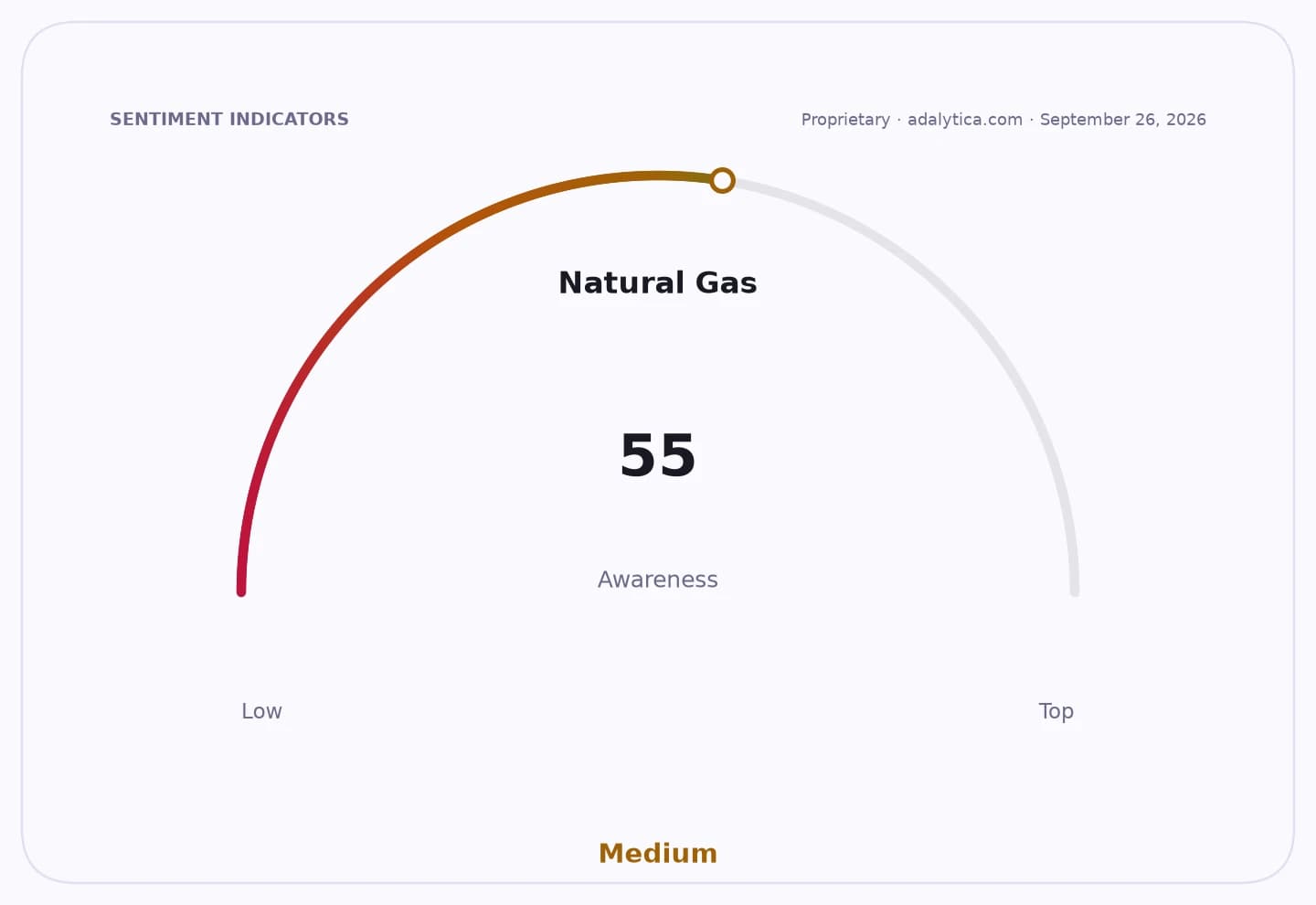
Sentiment IndicatorsⓘProprietary · adalytica.com · July 30, 2026
This is a snapshot — live sentiment, awareness and momentum for 130+ markets update continuously in the dashboard.Open AlphaPulse
The size of the fine matters far beyond Trip.com. China has used antitrust enforcement to rein in platform dominance across technology, e-commerce and online services, and the action lands at a time when Beijing is trying to balance support for consumption with tighter oversight of digital giants. For hotels, the decision may improve pricing leverage and cut compliance costs; for platform operators, it raises the risk that regulators will keep targeting rebate schemes, deposit deductions and contract terms that pressure suppliers.
Investors are watching because Trip.com is one of the clearest bellwethers for China travel demand and platform regulation. Its U.S.-listed shares closed at $46.00 on July 29, up from $42.45 on July 17, with the 50-day moving average at $44.98 and RSI readings near 70, showing the stock had already recovered from an earlier slump before the penalty hit. The move comes as Booking Holdings and Expedia also trade at elevated levels after recent swings, keeping online travel stocks sensitive to any sign that regulation could reshape margins or competitive behavior.
The penalty also lands against a broader backdrop of weak sentiment around the yuan, with Adalytica’s Chinese yuan trade snapshot showing “Extreme Fear” and a 30-day change of -100%. That underscores how regulatory shocks in China can feed both currency caution and equity volatility, particularly in sectors that rely on domestic consumption and cross-border demand.
The key question now is whether Trip.com can absorb the hit without materially changing its take rate or hotel relationships, and whether the fine is a one-off enforcement action or a template for wider scrutiny of Chinese internet platforms.
| Entity | Gains | Losses |
|---|---|---|
| Hotels and hotel operators | ▲Fairer contract terms | ▼Less leverage from Trip.com |
| Trip.com Group | ▲Cleaner compliance path | ▼$714 million fine and weaker pricing power |
| Chinese regulators | ▲Antitrust credibility | ▼Risk of investor unease |
| Online travel peers | ▲Clearer rules on conduct | ▼Higher regulatory overhang |