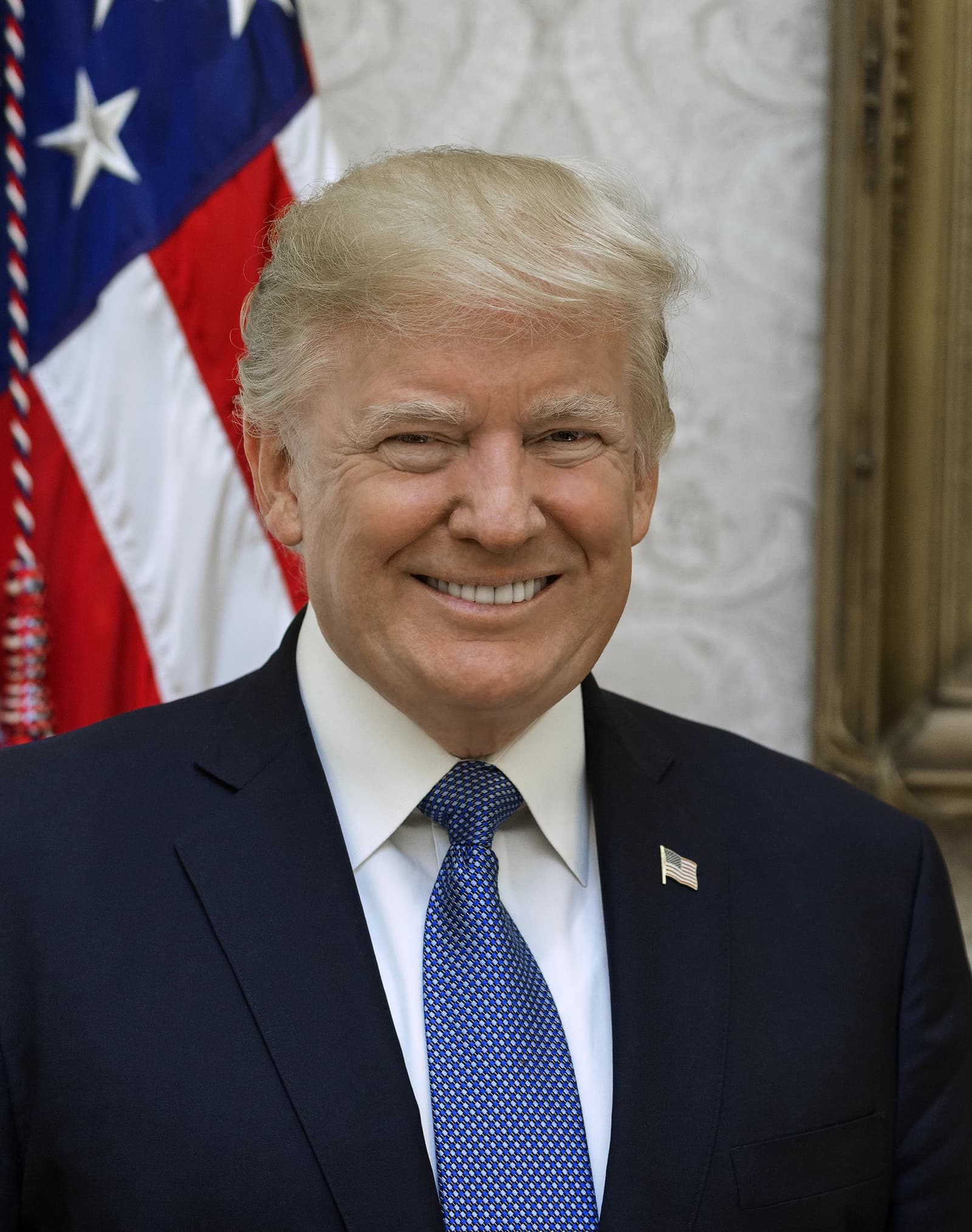
President Donald Trump’s vow to “not stand by” and let attempts to slow artificial intelligence succeed marks a sharper federal embrace of the AI buildout just as governments and communities are moving to restrain it.
Trump AI push lifts Nvidia, Microsoft and Alphabet

The announcement matters because it sets the tone for capital spending, permitting and enforcement across the AI supply chain. By promising an “AI Force” and an eventual AI coordinator or “czar,” Trump is signaling that Washington under his administration will lean toward acceleration, not caution, even as public skepticism grows over the power demands of data centers, the pace of model development and the risk of abuse by “bad” actors.
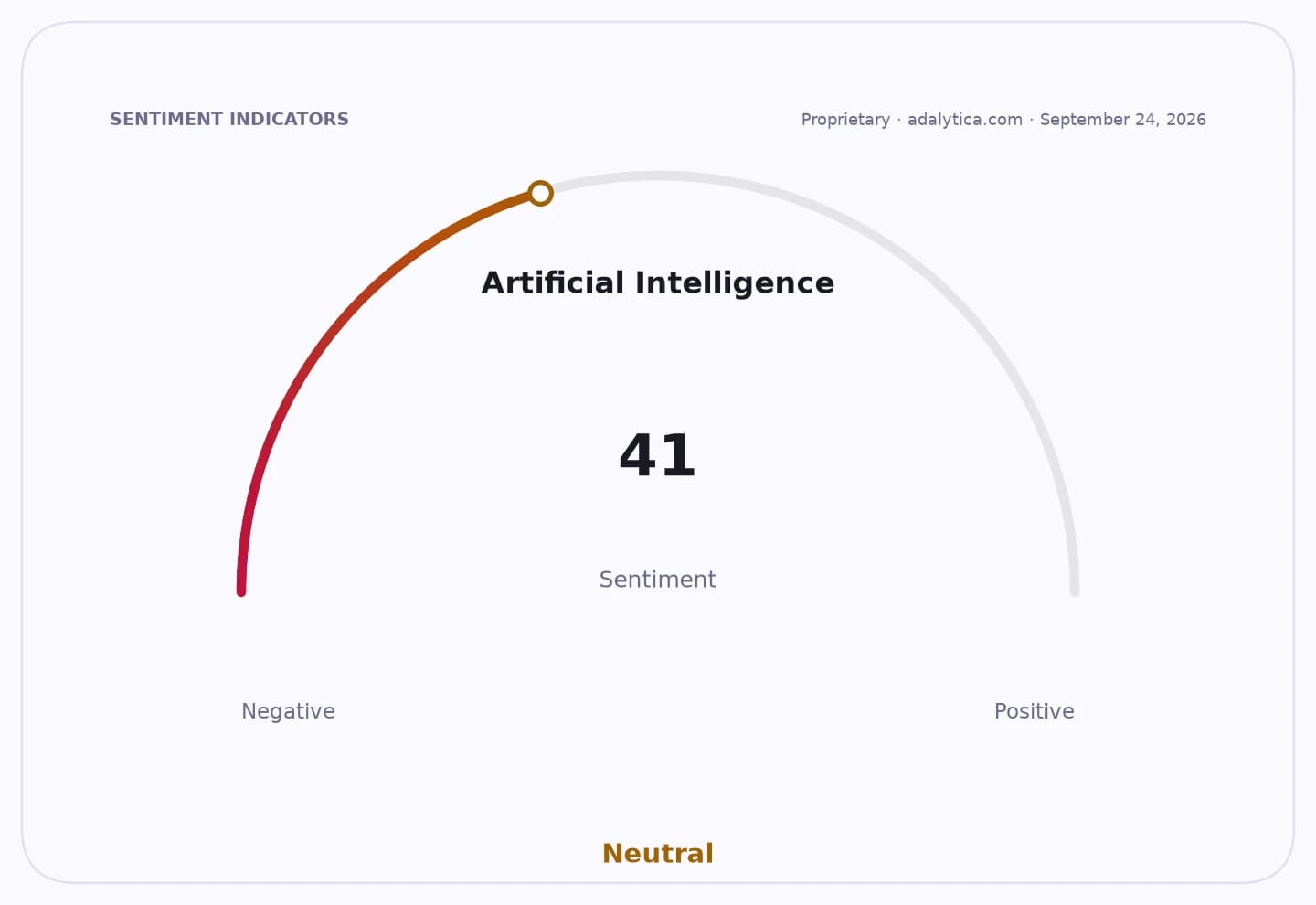
Sentiment IndicatorsⓘProprietary · adalytica.com · September 22, 2026
This is a snapshot — live sentiment, awareness and momentum for 130+ markets update continuously in the dashboard.Open AlphaPulse
For investors, the message is broadly supportive of the companies that sell the picks and shovels of AI and the cloud platforms that finance the buildout. Nvidia, Microsoft and Alphabet all have a direct stake in how aggressively the U.S. allows data-center expansion and how much regulatory friction is imposed on model deployment. Their shares have also been volatile as the market alternates between enthusiasm over AI capex and concern that valuation already discounts a lot of future growth.
Nvidia closed at $228.87 on Tuesday, above both its 50-day moving average of $214.91 and its 200-day moving average of $198.50, with its relative strength index at 61.7 and MACD turning positive. Microsoft ended at $498, also above its 50-day average of $468.70 but still below a 200-day line of $430.27, while Alphabet finished at $351.16, marginally above its 50-day average and near a recent technical inflection. The readings suggest investors remain willing to pay for AI exposure even as the sector digests regulatory and energy risk.
Trump’s comments also land against a more global push for oversight. Australia is seeking support from major technology companies to strengthen internet safety and build rules around AI, while more than 20 countries are pressing for regulation ahead of a UN debate. That global backdrop raises the odds of a fragmented policy environment, with the U.S. potentially prioritizing expansion and other jurisdictions insisting on guardrails.
The tension is central to the investment case. The bull argument is that a friendlier White House reduces the risk of abrupt restrictions on data-center construction, chip demand and AI deployment, extending the spending cycle for hardware suppliers, hyperscalers and utilities. The bear case is that Trump’s pro-growth stance does not eliminate lawsuits, state-level restrictions or reputational blowback, and could even sharpen political backlash if power grids, rents and energy bills continue to feel the strain of AI infrastructure.
Corporate filings already reflect that risk. Microsoft has warned AI systems could create legal, regulatory and reputational harm, while Nvidia has flagged government restrictions on frontier-model hardware and software. Alphabet has separately warned that AI can increase scrutiny over data privacy and disclosure. In other words, the policy debate is moving into a market where companies are already spending heavily and investors are already assuming decades of AI monetization.
The immediate takeaway is that Trump is trying to make Washington an ally of the AI cycle, not a brake on it. Whether that improves the economics of the trade will depend on how quickly the administration turns rhetoric into permitting, energy and enforcement policy — and whether voters and regulators let the boom proceed at full speed.
| Entity | Gains | Losses |
|---|---|---|
| Nvidia | ▲Data-center demand | ▼Regulatory overhang |
| Microsoft | ▲Faster AI rollout | ▼Slower margin relief |
| Alphabet | ▲Cloud AI investment | ▼Local opposition |
| AI critics/regulators | ▲Public attention | ▼Policy momentum |