Donald Trump said he had always planned to back Benjamin Netanyahu in Israel’s election, a move that reinforces the former U.S. president’s long-standing alignment with the Israeli leader at a moment of acute political and security strain.
Trump backs Netanyahu ahead of Israel election
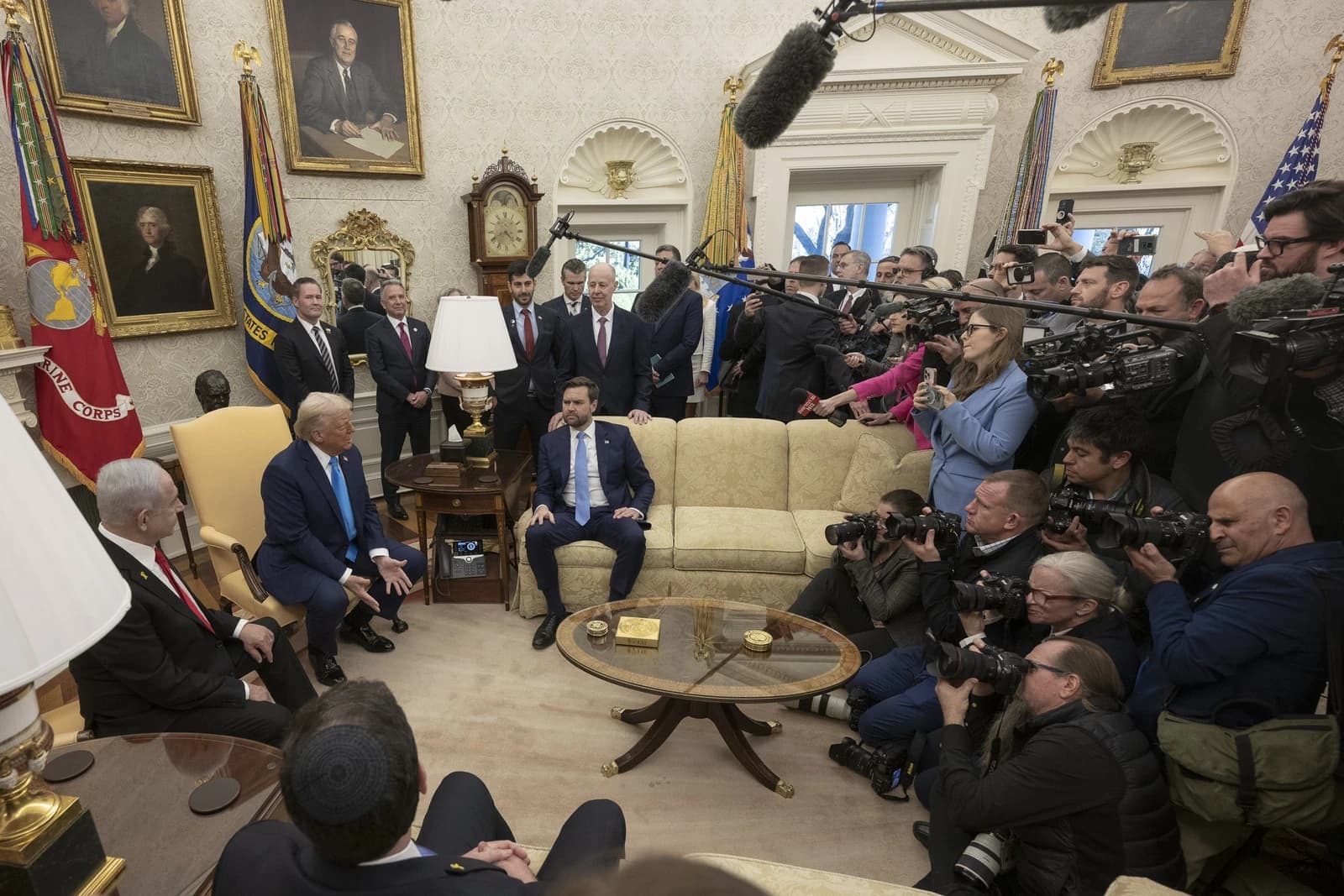
The endorsement matters because U.S. presidential comments can still shape Israel’s campaign narrative, hardening the perception that Netanyahu remains the preferred partner for Washington if Trump returns to office. That carries economic and geopolitical weight well beyond the ballot box: investors watch Israeli politics closely for any shift in the country’s approach to Gaza, Iran and regional security, all of which can affect defense spending, risk premiums and oil-market volatility.
Sentiment IndicatorsⓘProprietary · adalytica.com · October 22, 2026
This is a snapshot — live sentiment, awareness and momentum for 130+ markets update continuously in the dashboard.Open AlphaPulse
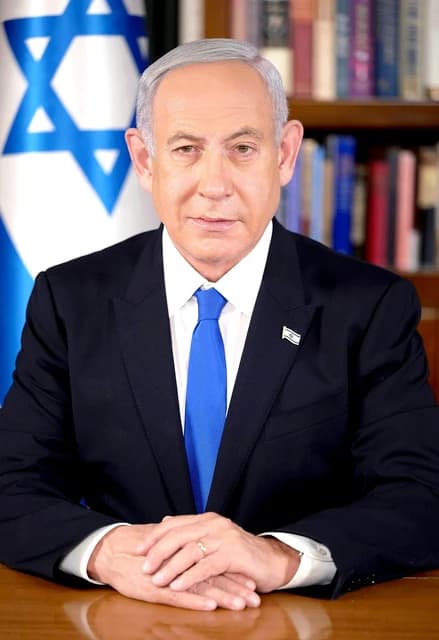
Trump told Axios he delayed the endorsement because he “did not want to do it too early,” but said he supported Netanyahu because they have a “good relationship” and would “continue to work well together” if he is re-elected. He added that Israel needs “someone it can count on,” underscoring how closely the race is being framed around continuity rather than policy detail.
The timing is sensitive. Israel is heading into elections under a heightened state of alert, with fears of a Hamas attack and rising tensions with Iran adding to voter unease. Netanyahu’s camp has also been contending with negative polling and a fragmented political field in which Arab-led parties and smaller factions could become decisive in coalition building.
For investors, the immediate issue is not the endorsement itself but the policy continuity it implies. A Netanyahu victory would likely reinforce a harder line on security and Iran, with implications for defense contractors, Israeli assets and regional risk sentiment. It also suggests that any hopes for a near-term reset in U.S.-Israel relations are remote if Trump regains the White House.
The broader market significance is that the election is being fought against a backdrop of geopolitical fragility rather than economic reform. That tends to favor volatility: any sign of escalation could lift safe-haven demand and keep pressure on regional assets, while a clear Netanyahu mandate could be read as preserving the current security policy trajectory.
| Entity | Gains | Losses |
|---|---|---|
| Netanyahu | ▲U.S. political backing | ▼Election opponents |
| Trump | ▲Influence over Israel policy | ▼Neutrality perception |
| Defense sector | ▲Security spending outlook | ▼De-escalation bets |
| Regional risk assets | ▲— | ▼Higher geopolitical risk |