The Trump administration has ended automatic renewals of U.S. work permits, a move that puts thousands of Indian workers on H-4 visas and green-card applicants at immediate risk of losing the legal right to work while their applications are pending.
Trump ends automatic U.S. work permit renewals
The Department of Homeland Security’s final rule, published Oct. 14, eliminates automatic extensions for certain categories of Employment Authorization Documents when renewal applications are filed on time. Until now, many applicants could keep working for up to 540 days after their permits expired. That buffer is now gone, meaning employment can stop if a renewal is delayed.
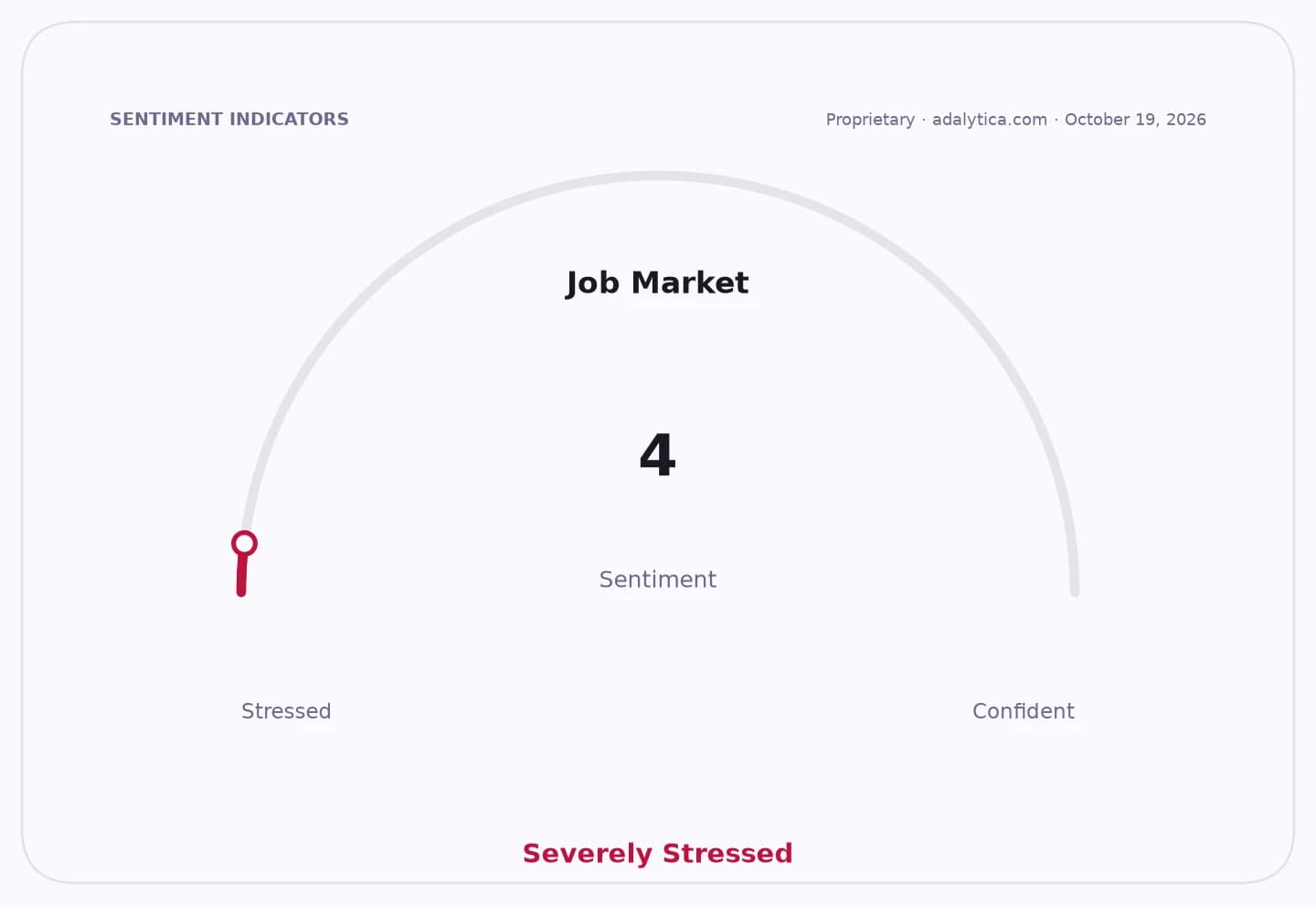
Sentiment Indicators
The policy matters because work authorization is not just an immigration formality; it is the bridge that keeps employers staffed and households financially stable while the visa system processes backlogs. H-4 visas are issued to families of H-1B holders, a group dominated by Indian professionals in U.S. technology, finance and other skilled industries. The change therefore lands most heavily on a population already exposed to bottlenecks in the immigration system.
The timing also raises the economic stakes. A group of 63 U.S. lawmakers has urged the government to tackle the growing green-card backlog, underscoring how long processing delays have become part of the labor-market infrastructure. Ending automatic extensions without fixing those delays increases the chance of abrupt job losses, especially for workers whose permits lapse before renewal decisions are made.
For employers, the immediate effect is more compliance risk and more turnover risk in specialized roles that are hard to refill quickly. For workers, it adds a new layer of uncertainty to families already balancing housing, schooling and long-term residency plans. The rule also strengthens the administration’s broader campaign to tighten visa programs and discourage what Vice President JD Vance described as the misuse of visas to replace domestic workers with lower-paid foreign labor.
The move comes as Washington is simultaneously considering a separate proposal to impose a $70,000 fee on foreign students in the Optional Practical Training program, which would make the United States a far more expensive destination for Indian students seeking a route into the American labor market. Taken together, the actions signal a sharper policy shift away from automatic work authorization and toward stricter screening, higher costs and more restricted access.
For investors, the implications are broad but uneven. Companies that rely on foreign-born talent, especially in tech and services, face higher retention and hiring friction. Immigration-law firms, compliance vendors and universities may see more demand or disruption. At the macro level, tighter work authorization can reduce labor supply at the margins, but it may also hit productivity in sectors that depend on globally mobile skilled workers. The question now is whether the administration stops at work permits or extends the squeeze to other visa channels.
| Entity | Gains | Losses |
|---|---|---|
| Trump administration | ▲Tighter immigration control | ▼Political backlash from employers |
| U.S. employers | ▲More domestic hiring pressure | ▼Loss of skilled foreign staff |
| Indian H-4 holders and green-card applicants | ▲None | ▼Work authorization uncertainty |
| Universities and OPT-linked programs | ▲Policy clarity if rules tighten | ▼Fewer foreign students and workers |