U.S. tech giants face a new policy risk after President Donald Trump said companies building artificial intelligence data centers outside the country would be hit with a “tremendous tax,” a proposal that could raise the cost of overseas expansion and redirect more AI spending back to the U.S.
Trump Proposes Tax on Overseas AI Data Centers
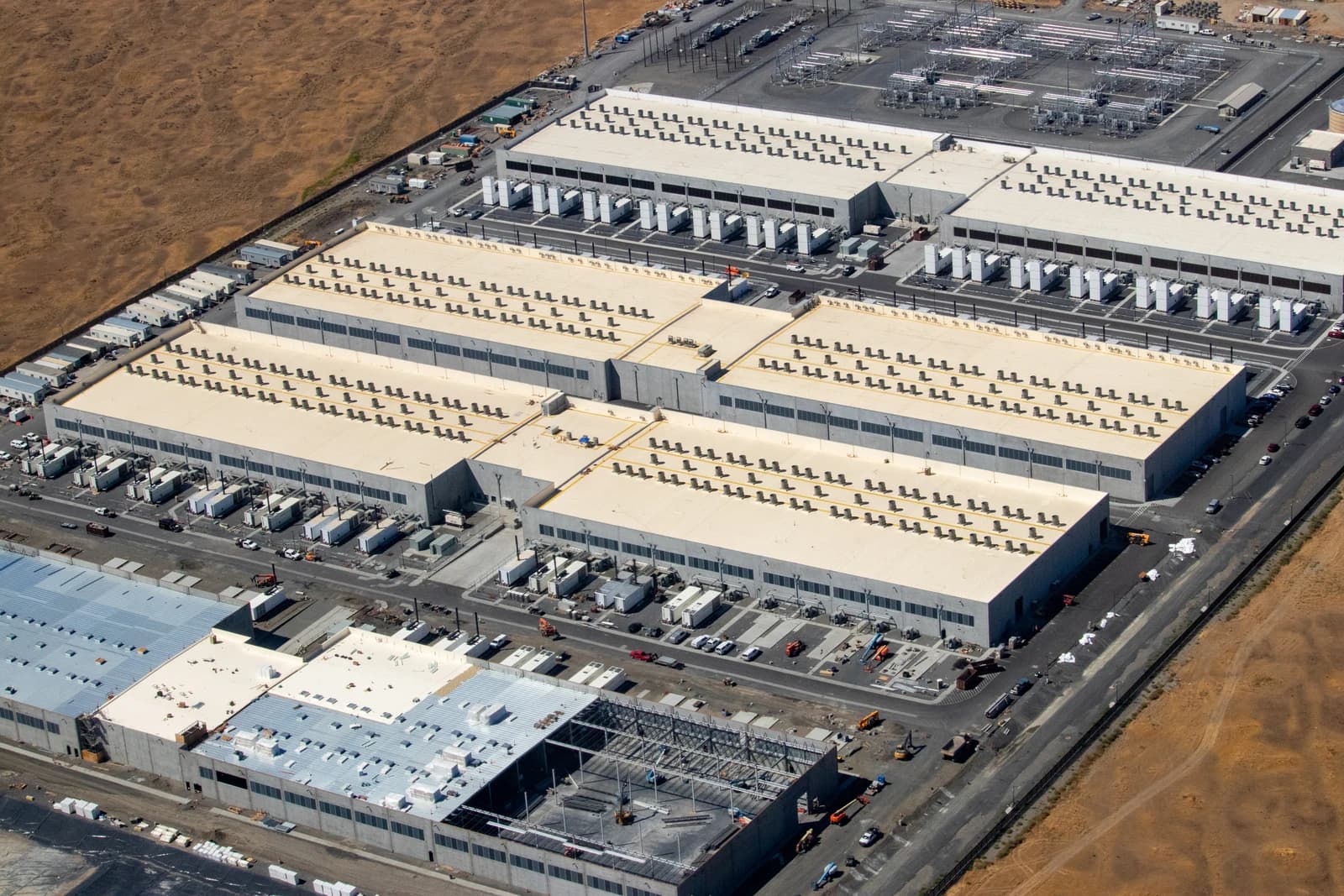
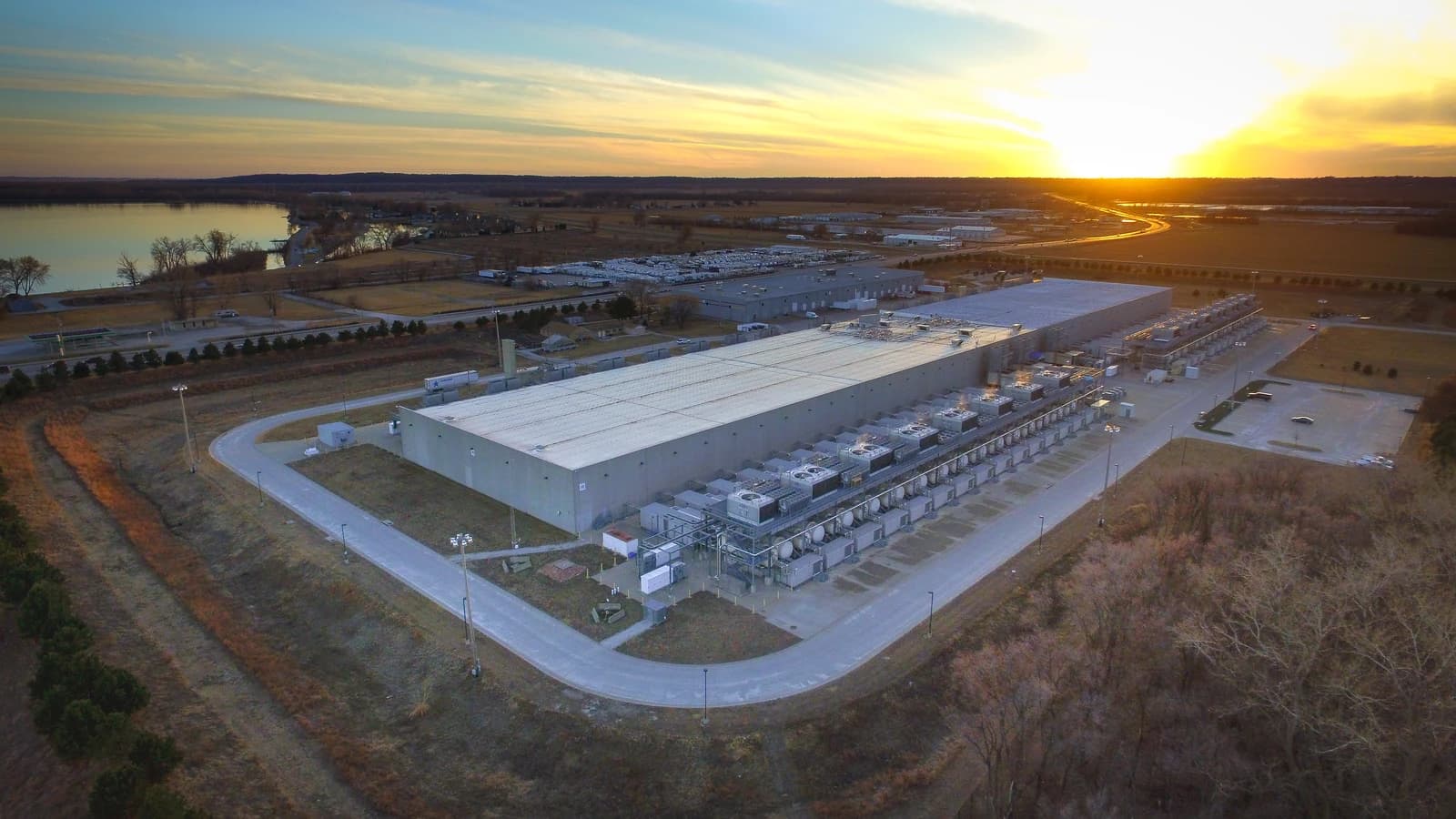
The comments matter because AI infrastructure has become one of the biggest capital-spending battlegrounds in the market, with Microsoft, Amazon and Nvidia all tied to the next wave of data center buildouts. Any tax aimed at offshore facilities would add uncertainty to already massive investment plans and could tilt future capex toward domestic sites, power contracts and U.S. supply chains.
Sentiment Indicators
Trump gave no details on how the tax would work and said he had not discussed it with his staff, leaving investors without a clear read on scope, timing or enforcement. That ambiguity alone is likely to keep pressure on companies that rely on global data center footprints to serve cloud and AI customers.
The proposal lands as resistance to data center development builds at the local level. Voters rejected data center proposals in 40 of 41 ballot measures earlier this month, while some governors have pushed to pause new projects over electricity costs.
It also comes as lawmakers scramble to expand U.S. power capacity. The Republican-led Senate has approved bipartisan legislation to speed permitting for power plants, transmission lines and other energy infrastructure, a bill Trump praised for encouraging “tremendous amounts of new building.” The measure would require data centers to pay for the energy they use and for broader grid upgrades, underscoring how the AI boom is colliding with electricity prices and permitting bottlenecks.
For investors, the issue is less about the tax itself than the direction of policy: Washington is signaling that AI infrastructure should be built at home, where it can support domestic manufacturing, energy investment and strategic control of advanced computing. That lines up with separate U.S. restrictions issued Monday on remote access to advanced chips and servers, part of a broader effort to limit China’s access to U.S. technology used to train AI models.
The next catalyst is whether Trump turns the threat into a formal proposal and whether Congress folds any incentives or penalties into the broader energy and AI policy debate.
| Entity | Gains | Losses |
|---|---|---|
| U.S. data center builders | ▲More domestic demand | ▼Higher policy uncertainty |
| Microsoft, Amazon, Alphabet | ▲Incentive to build in U.S. | ▼Offshore expansion costs |
| U.S. utilities and grid firms | ▲More power projects | ▼Faster permitting pressure |
| Foreign AI data center hubs | ▲Less U.S. competition | ▼Risk of capital diversion |