TSMC’s Kumamoto Plant 1 is back to normal production after a Japanese earthquake briefly forced a shutdown, a reminder that even the world’s most important chipmaker is only as resilient as the supply chain and infrastructure around it.
TSMC Kumamoto Plant 1 Resumes Normal Production After Earthquake
That matters because TSMC sits at the center of the global semiconductor ecosystem. When one of its fabs pauses, even for a short period, the impact can ripple through customers, suppliers and investor expectations across the chip sector. The faster TSMC restores output, the less risk there is of bottlenecks in advanced semiconductors that feed everything from smartphones to AI servers.
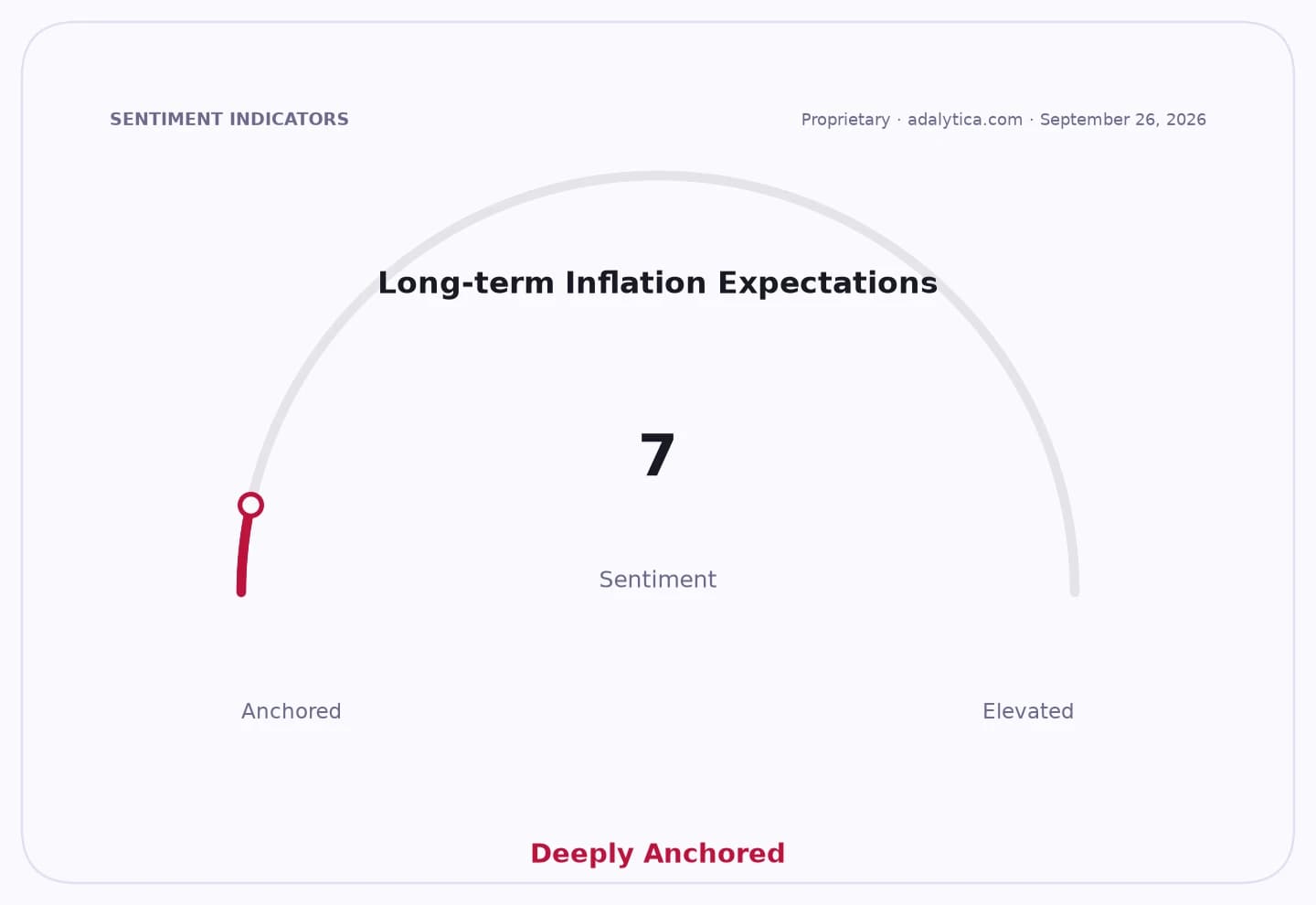
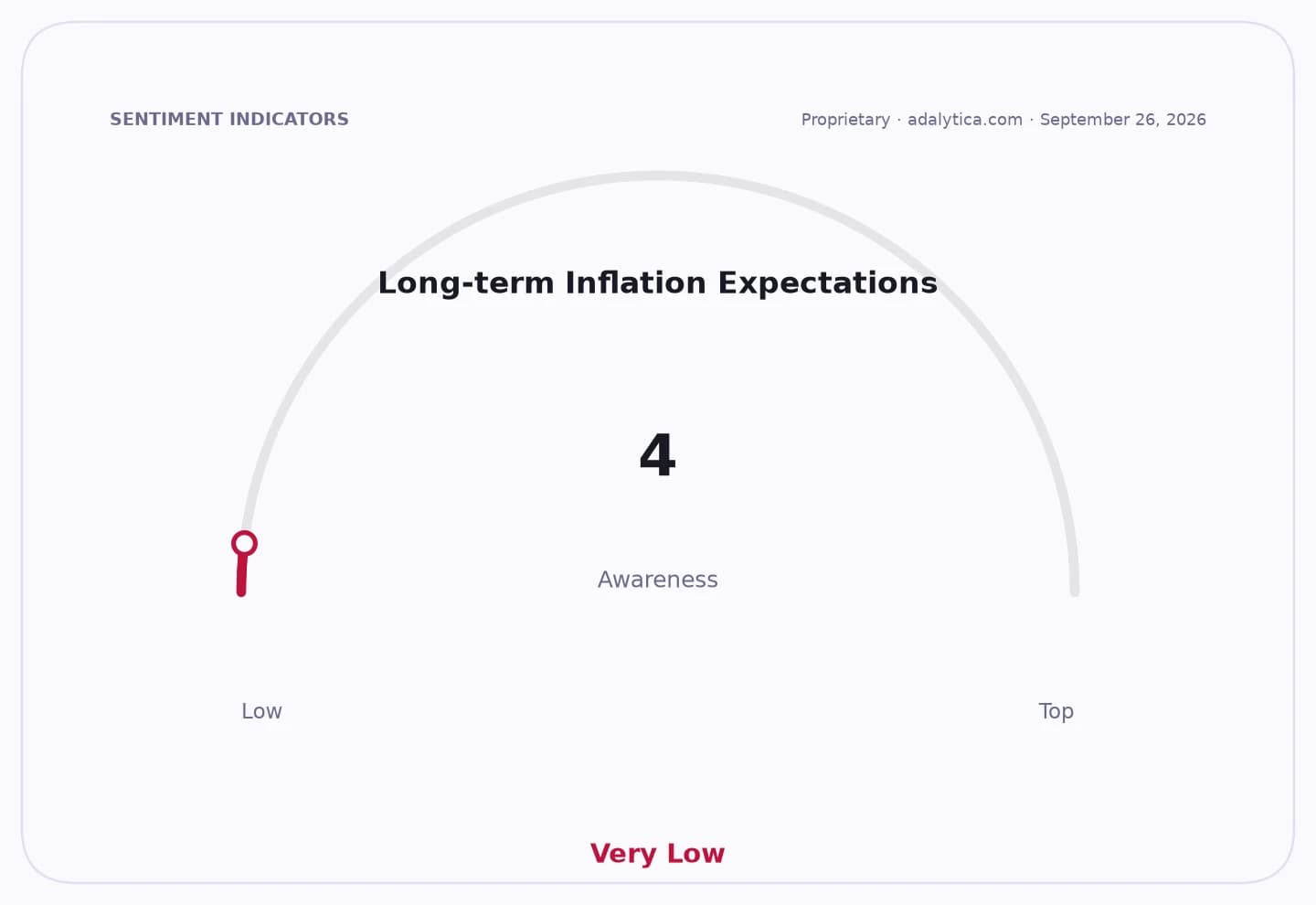
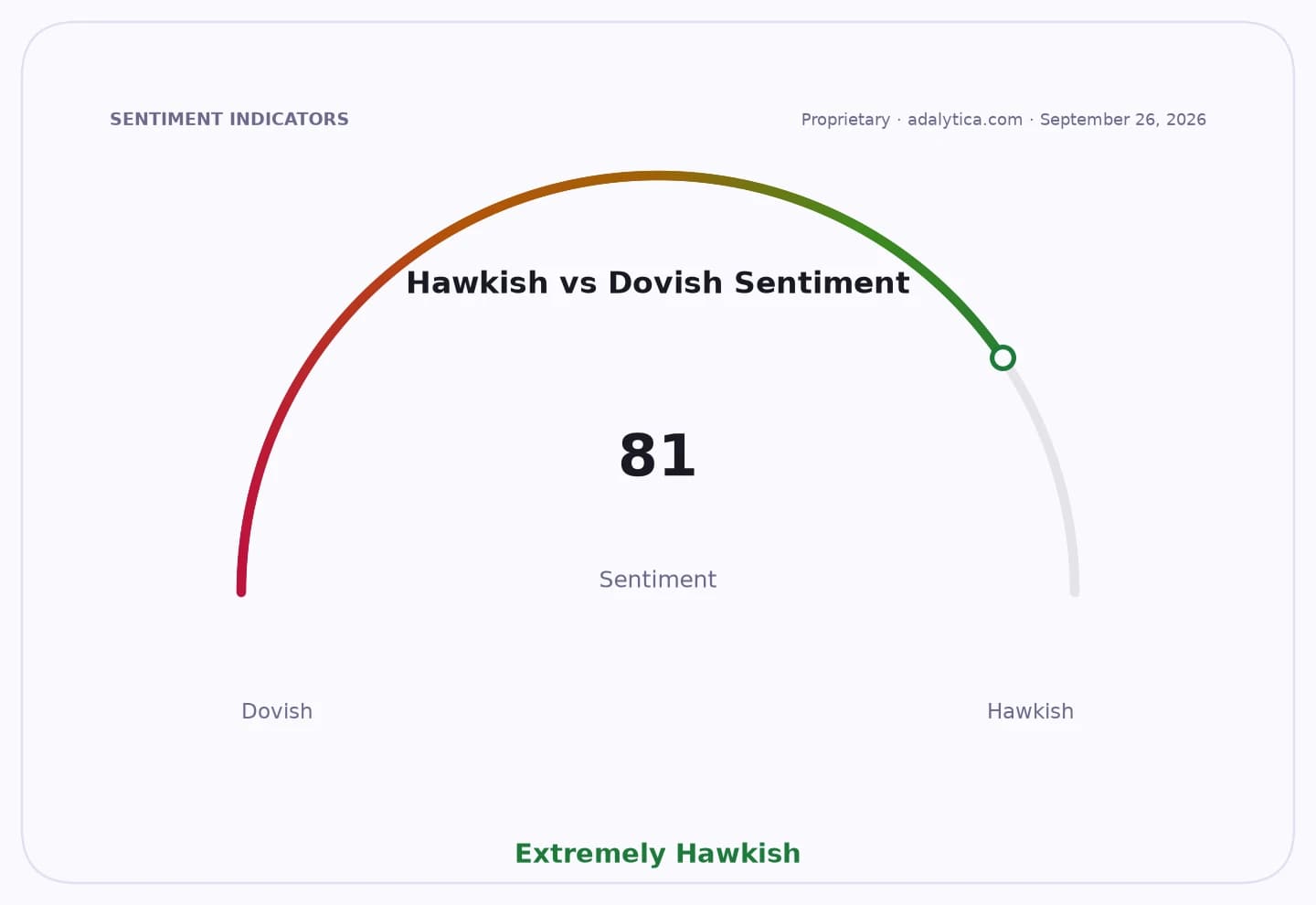
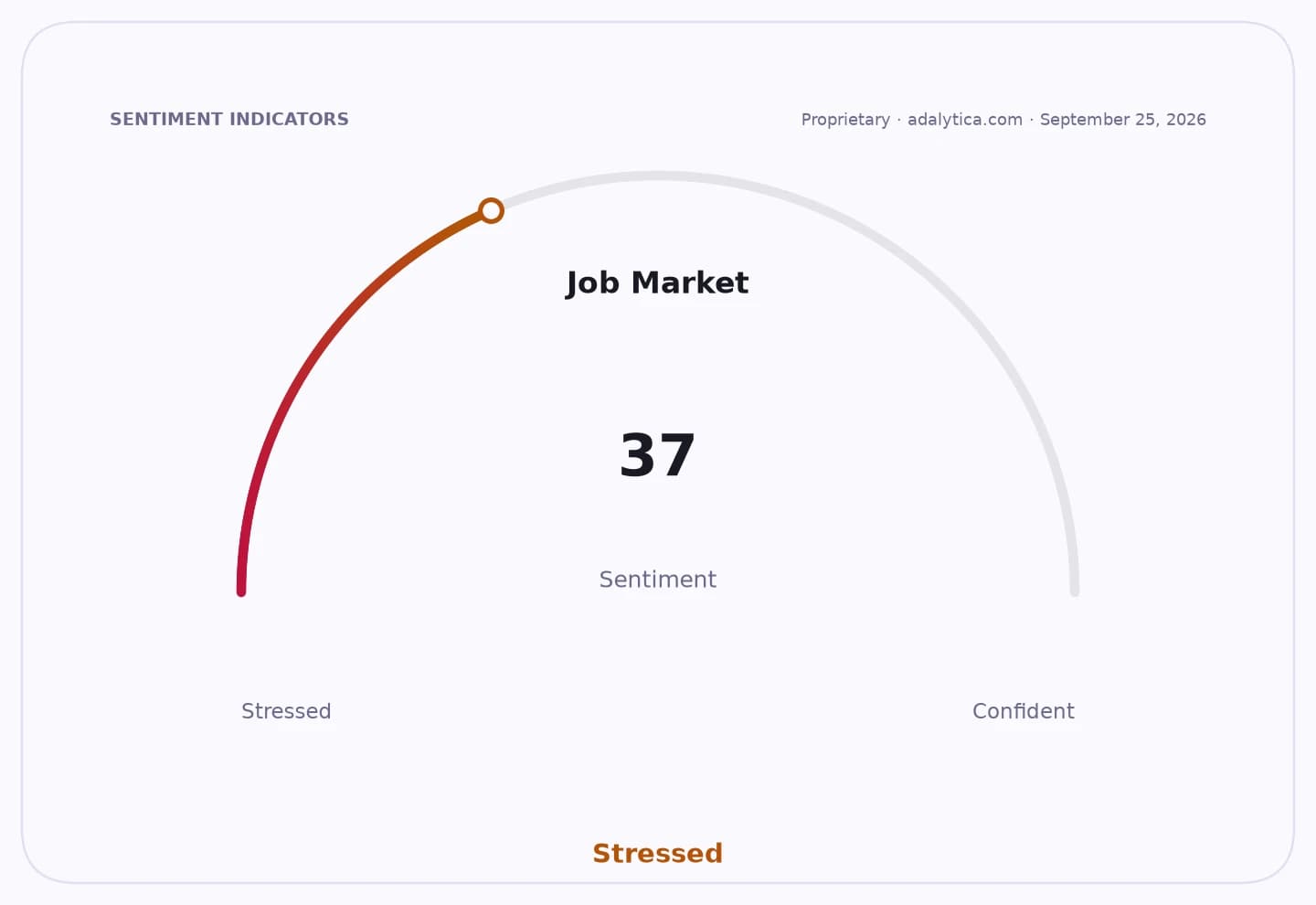
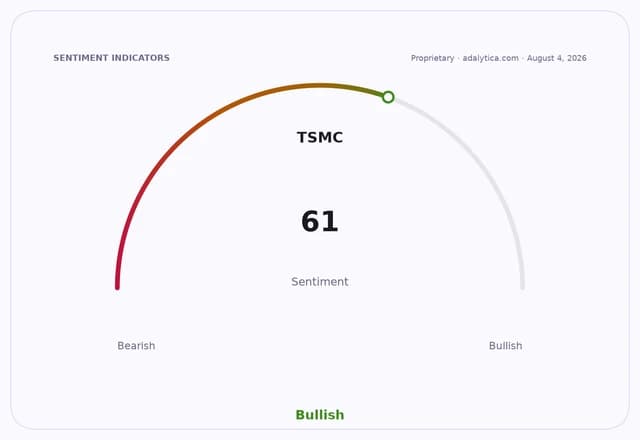
Sentiment IndicatorsⓘProprietary · adalytica.com · August 4, 2026
This is a snapshot — live sentiment, awareness and momentum for 130+ markets update continuously in the dashboard.Open AlphaPulse
The company said the plant underwent about 30 days of verification before launch, which is exactly the kind of cautious restart investors should want after a seismic event. Semiconductor manufacturing is extraordinarily sensitive to disruption. Vibration, power stability, water systems and clean-room integrity all have to be checked before high-value production can safely resume. A quick normalization suggests the damage was contained and TSMC’s operating discipline held up.
For investors, the key takeaway is not the quake itself but the resilience test it created. TSMC remains the most important foundry in the world, with pricing power and scale that are hard to replicate. Any interruption at its Japanese operations could have weighed on near-term shipments, but the restart reduces that risk and helps preserve confidence in delivery schedules for customers such as Apple and Nvidia, both of which depend on a stable semiconductor pipeline.
TSMC — 30-day sentimentadalytica.com
Explore this data interactively — full history, time series and cross-market comparisons.Open AlphaPulse
The broader story is that chip manufacturing is becoming more geographically distributed, but not less vulnerable. Japan has been a major destination for semiconductor investment, and every new plant raises the question of how well supply chains can withstand natural disasters. TSMC’s response — from inspection to restart and a 2.5 billion yen donation to Kumamoto recovery efforts — reinforces that long-term winners in semiconductors are not just the ones with the best chip designs, but the ones with the strongest operational resilience.
TSMC’s shares have pulled back from recent highs, while technical indicators show the stock trading below its 50-day moving average and with momentum cooling. That can happen even when the long-term thesis stays intact. For patient investors, the better question is whether TSMC can keep expanding capacity, protecting yields and serving the AI buildout without major interruptions. So far, this restart says yes — and that makes the stock worth keeping on the watchlist for long-term compounding.
| Entity | Gains | Losses |
|---|---|---|
| TSMC | ▲Production normalizes | ▼Earthquake-related disruption |
| Semiconductor customers | ▲Supply stability | ▼Near-term shipment risk |
| Japanese region/Kumamoto | ▲Recovery support | ▼Disaster damage and downtime |
| Short-term traders | ▲Less event risk | ▼Fewer disruption-driven bets |