Turkey said one of its soldiers was killed by gunfire near the Iranian border, underscoring how quickly friction with Tehran can spill into a wider security and diplomatic problem for Ankara at a moment when the Middle East is already strained.
Turkey border shooting raises Iran tensions
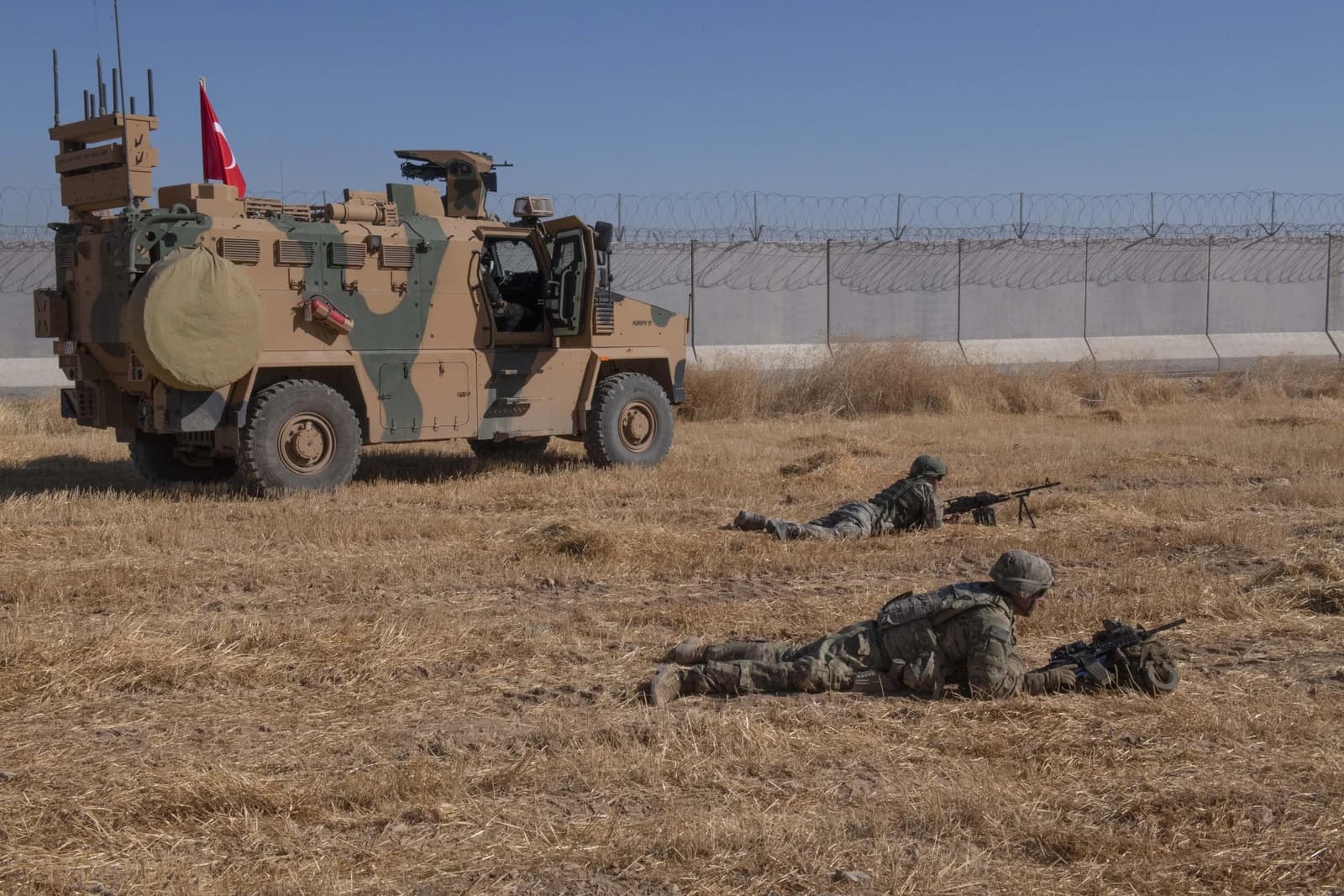
The killing raises the immediate risk of a border escalation between two neighbors that also have an uneasy economic relationship. For Turkey, which is trying to preserve trade routes, manage energy dependencies and keep channels open with Iran, even a single lethal incident can complicate diplomacy and heighten pressure on border security spending.
Sentiment Indicators
The Turkish defense ministry said the soldier died after shots were fired in the border area last weekend. The incident comes as Turkey is also seeking to position itself as a mediator in wider Iran-related tensions, including efforts to reduce confrontation linked to the Strait of Hormuz and the broader US-Iran standoff. That gives Ankara a narrow path: it needs to avoid a security spiral with Iran while maintaining leverage as a regional interlocutor.
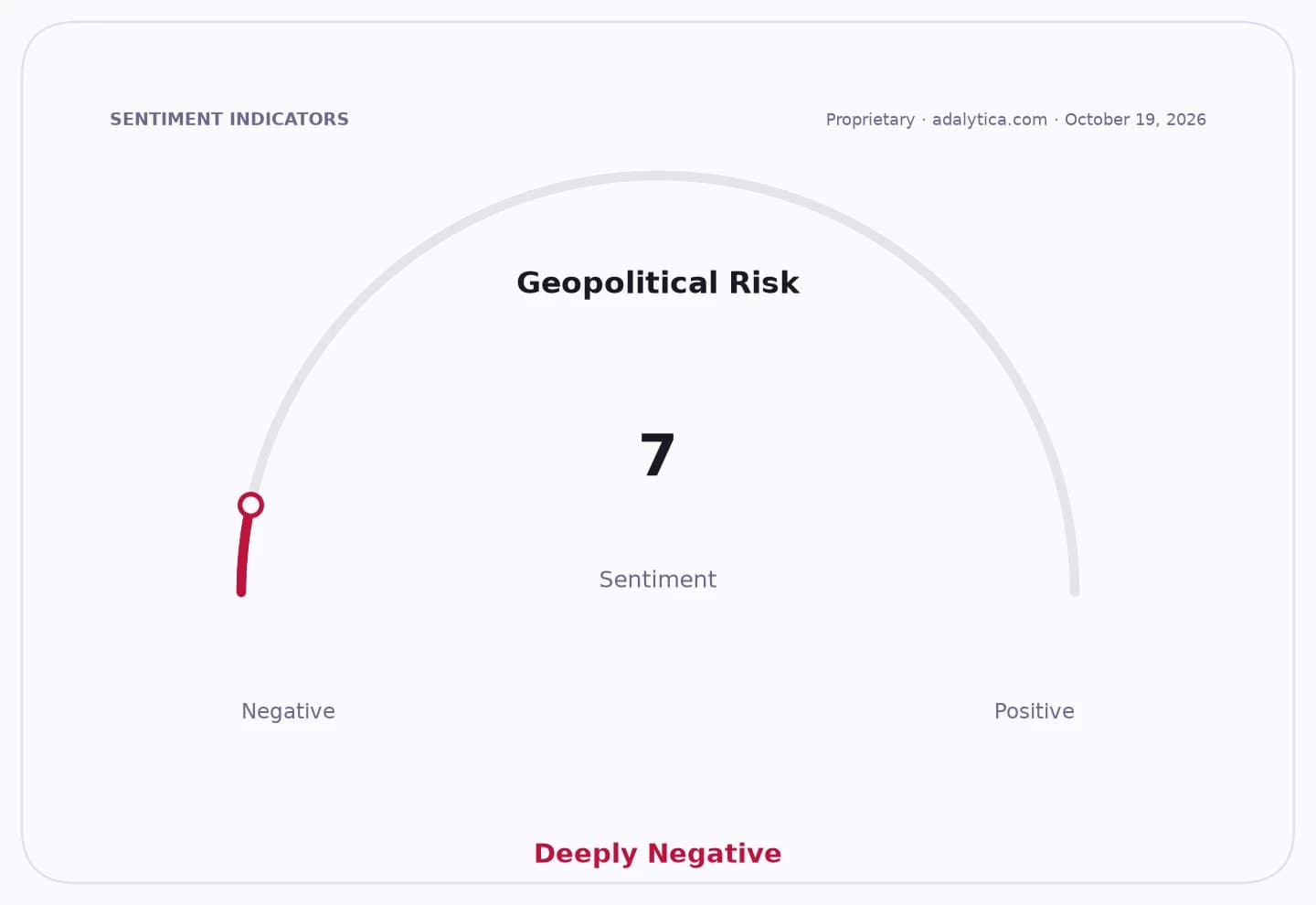
Investors tend to treat these episodes less as isolated military events than as markers of regional risk. Any sustained deterioration in Turkey-Iran relations could feed into volatility in Turkish assets by increasing geopolitical premiums, weakening confidence in cross-border commerce and adding uncertainty to energy flows. It also reinforces the appeal of defensive havens such as gold, which has tended to benefit when Middle East tensions rise.
Geopolitical Risk vs TURadalytica.com
Explore this data interactively — full history, time series and cross-market comparisons.
The market backdrop shows how sensitive investors remain to geopolitical stress. Turkey-focused assets have been volatile, with the country ETF EWT recovering from a sharp selloff but still trading well below earlier highs, while Turkey’s own market and currency remain exposed to swings in regional risk appetite. Conventional technical indicators on those funds suggest the rebound has been fragile rather than decisive, with momentum improving but not yet fully repaired.
The broader narrative is that Turkey is trying to balance three conflicting goals: contain border security risks, avoid a direct rupture with Iran and preserve its role as a regional broker. The soldier’s death does not by itself change the strategic map, but it increases the cost of miscalculation. Any further incident would raise the odds that diplomacy gives way to a harder security response, with consequences for trade, energy and risk assets across the region.
| Entity | Gains | Losses |
|---|---|---|
| Turkey | ▲regional diplomacy leverage | ▼border security stability |
| Iran | ▲room for negotiations | ▼trust with Ankara |
| Gold and safe havens | ▲risk-demand bid | ▼risk appetite |
| Turkish assets | ▲none | ▼geopolitical premium |