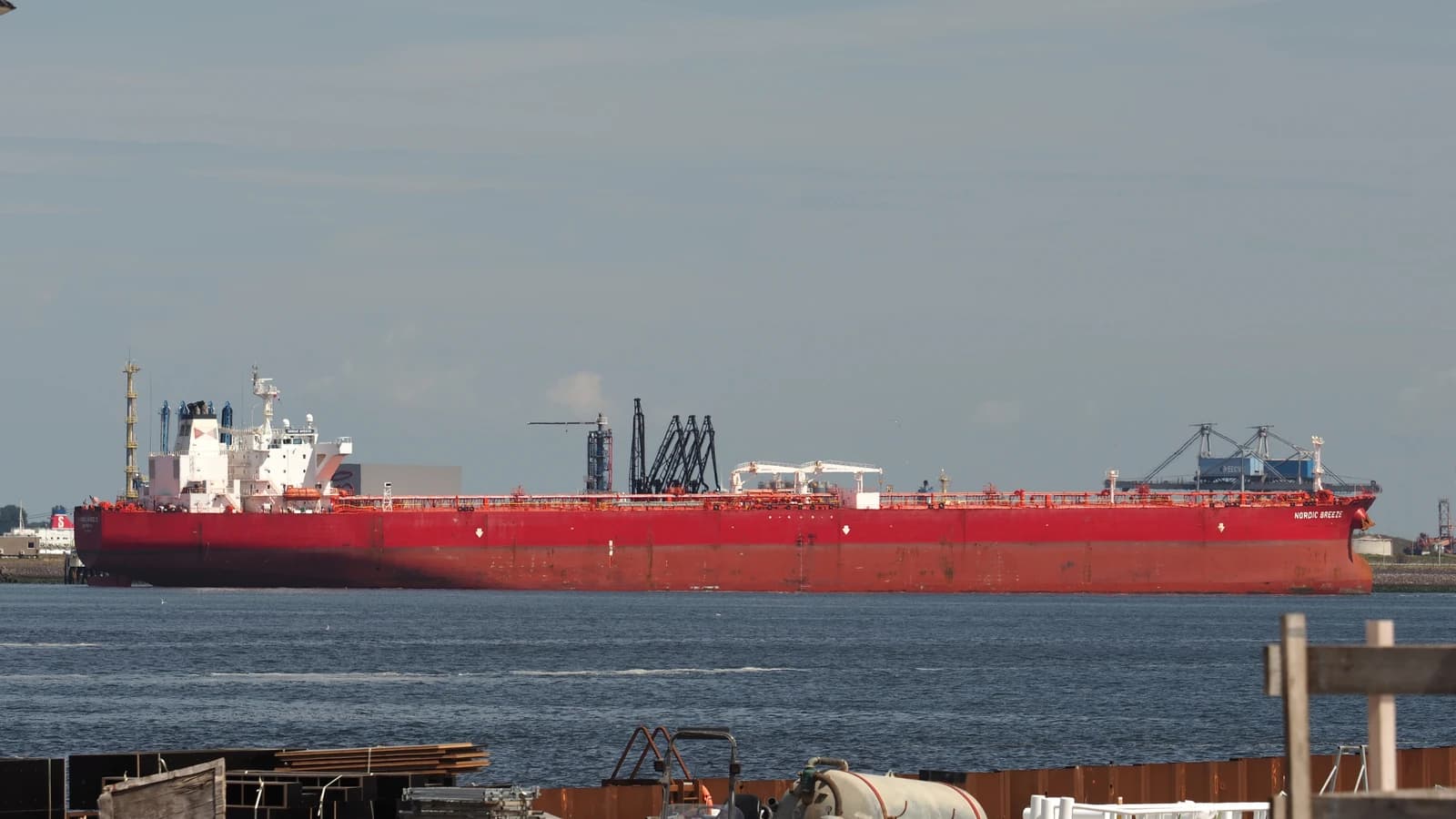
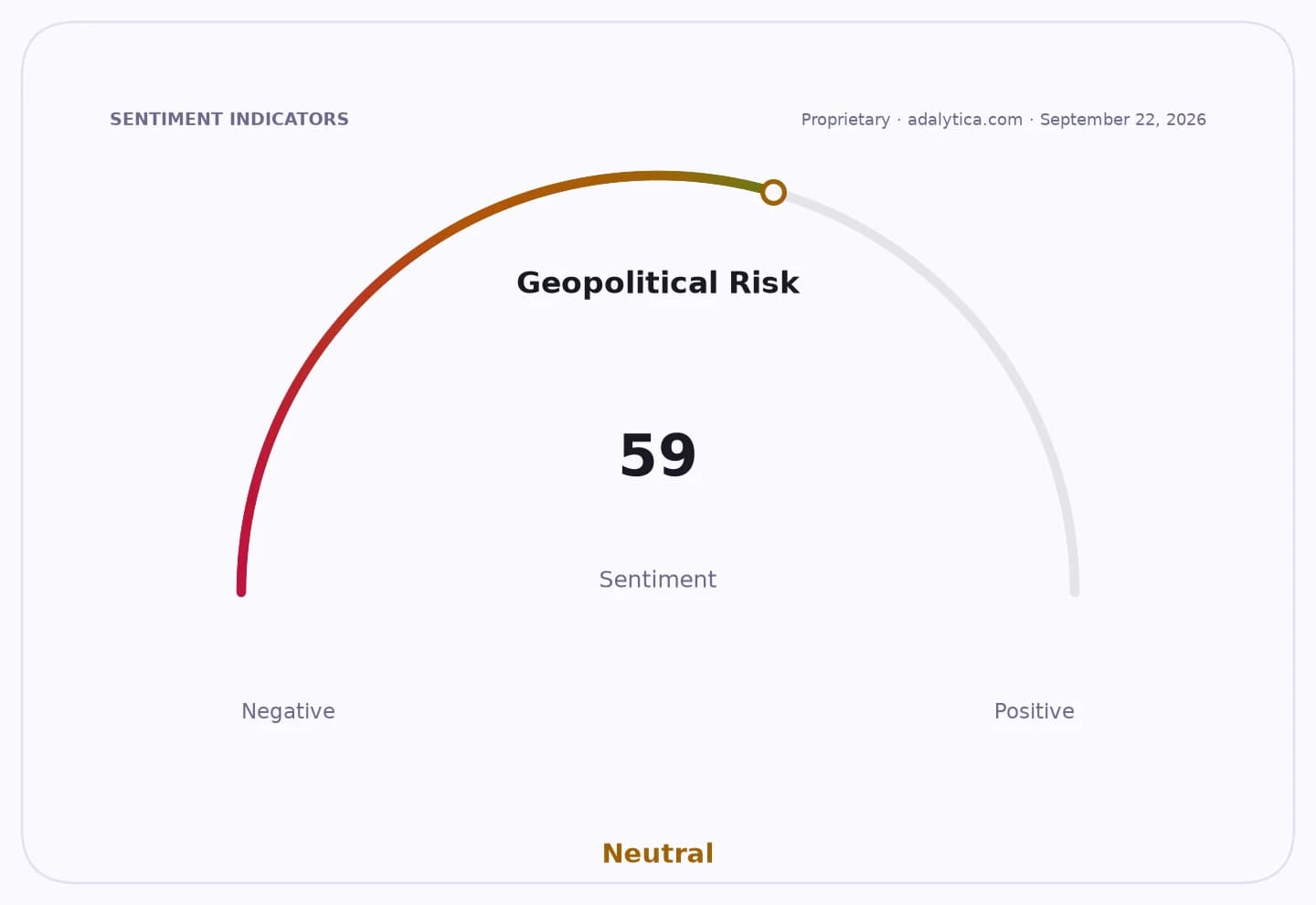
Turkey is putting the US-Iran war, rising oil prices and security in the Hormuz Strait at the center of a government meeting on Sept. 7, a sign Ankara is treating the conflict as an immediate threat to energy costs, trade routes and regional stability.
Turkey Cabinet Reviews US-Iran War and Oil Risk
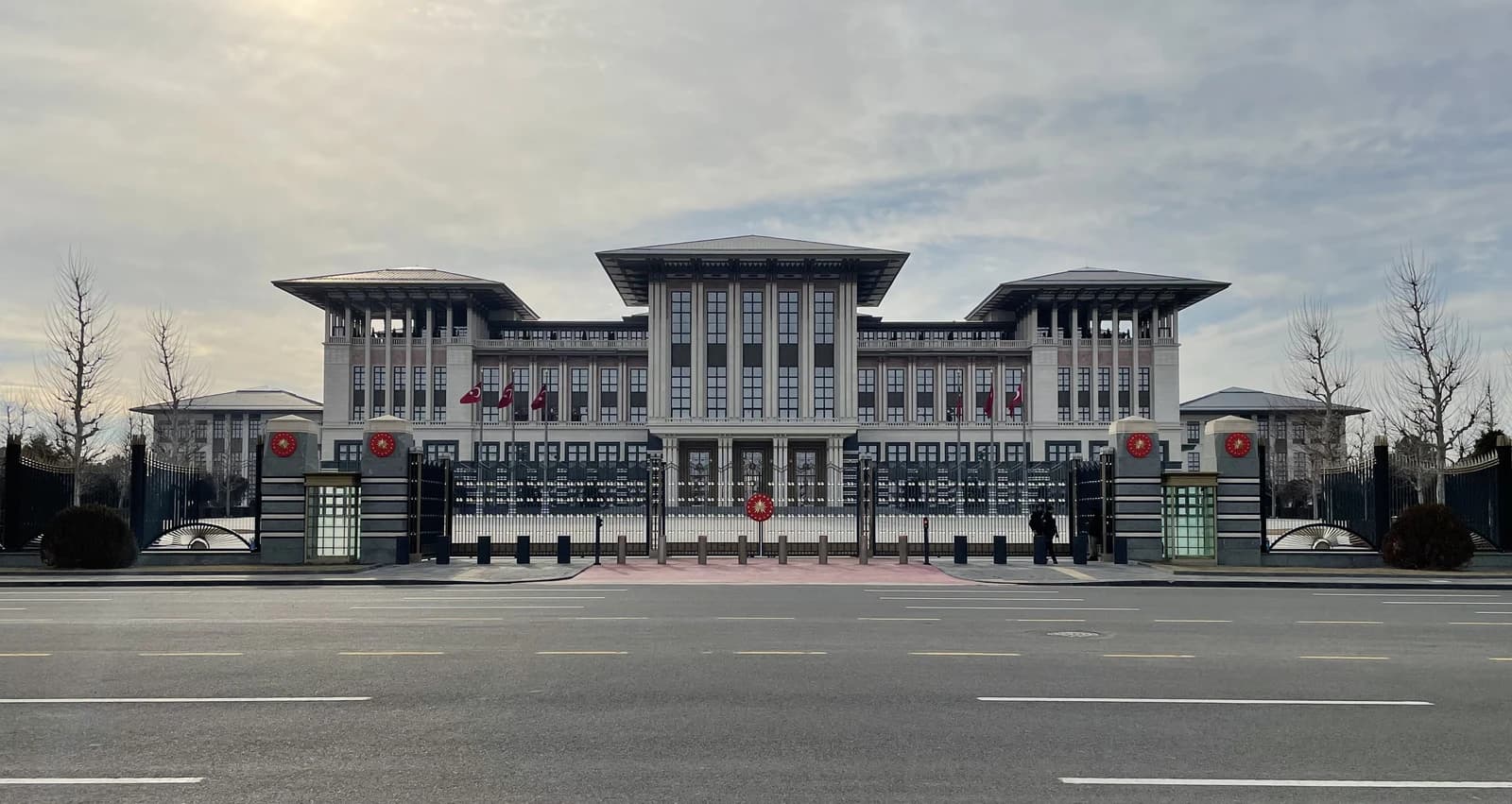
The timing matters because Turkey is a major energy importer and any disruption in the Persian Gulf would feed quickly into its current account, inflation and transport costs. Even without a direct military role, Ankara has a strong economic incentive to prepare for higher crude prices, shipping disruption and wider spillovers across the Middle East.
Sentiment IndicatorsⓘProprietary · adalytica.com · September 7, 2026
This is a snapshot — live sentiment, awareness and momentum for 130+ markets update continuously in the dashboard.Open AlphaPulse
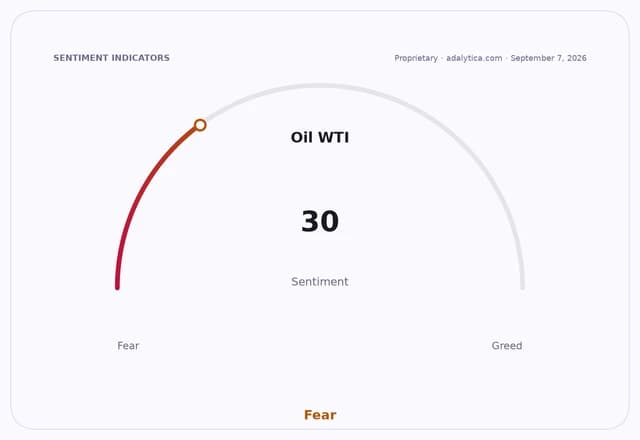
Oil markets are already pricing in that risk. US oil ETF USO closed at $141.96 on Sept. 4, up sharply from $112.21 on July 8, while the 50-day moving average sits at $123.88, underscoring how far the move has run. The fund’s RSI reading of 69.8 points to elevated momentum, and Adalytica’s Oil WTI Trade Signals shows “fear” at 30 with “awareness” at 81, suggesting the market is still highly alert to geopolitical shocks.
Turkey’s cabinet is also expected to review the regional impact of the war in Ukraine, President Recep Tayyip Erdogan’s recent meeting with Russian President Vladimir Putin in Bishkek, and the broader strategic fallout for Ankara. That mix highlights how the government is trying to manage overlapping pressure points: sanctions, energy security, and a Middle East conflict that could further strain imports and logistics.
Oil WTI — 30-day sentimentadalytica.com
Explore this data interactively — full history, time series and cross-market comparisons.Open AlphaPulse
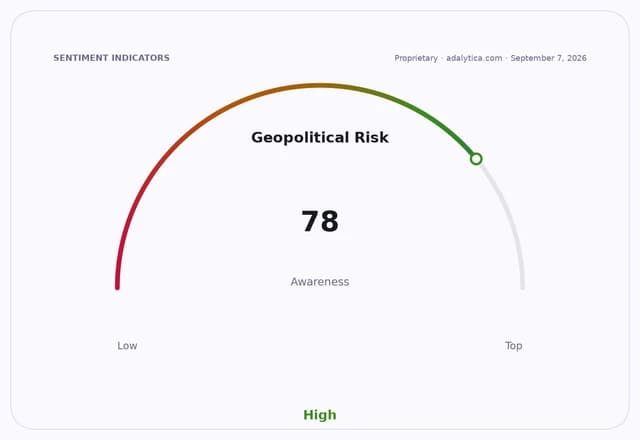
The inflation risk is especially important for investors watching emerging markets, energy and transport stocks. Higher crude tends to lift Turkey’s import bill and weaken the economic outlook, while defense, shipping and energy-linked assets can swing on any sign the conflict could interrupt tanker traffic through Hormuz.
For markets, the key catalyst is whether the confrontation widens beyond direct US-Iran strikes and into shipping lanes or neighboring states. Any escalation would likely keep oil and volatility bid, while a diplomatic pause could ease the recent jump in energy prices and reduce pressure on Turkey and other import-dependent economies.
| Entity | Gains | Losses |
|---|---|---|
| Oil producers | ▲Higher crude prices | ▼— |
| Turkey importers | ▲— | ▼Larger energy bill |
| USO bulls | ▲Geopolitical bid in oil | ▼Mean reversion if tensions ease |
| Turkish economy | ▲— | ▼Inflation and trade pressure |