Turkey’s central bank chief Fatih Karahan said the state will not deploy public money to cover losses from the liquidation of investment funds after a reported “fund fraud,” a stance that places the burden of clean-up on the banking system and fund operators rather than taxpayers.
Turkey Central Bank Rejects Fund Bailout
The message matters because it sets the terms for one of the more sensitive episodes in Turkey’s capital markets: how authorities handle a fund scandal without undermining confidence in the broader financial system. By ruling out a public bailout, Karahan is signaling that policymakers want to preserve fiscal discipline and avoid creating a precedent that bad governance in asset management will be socialized.
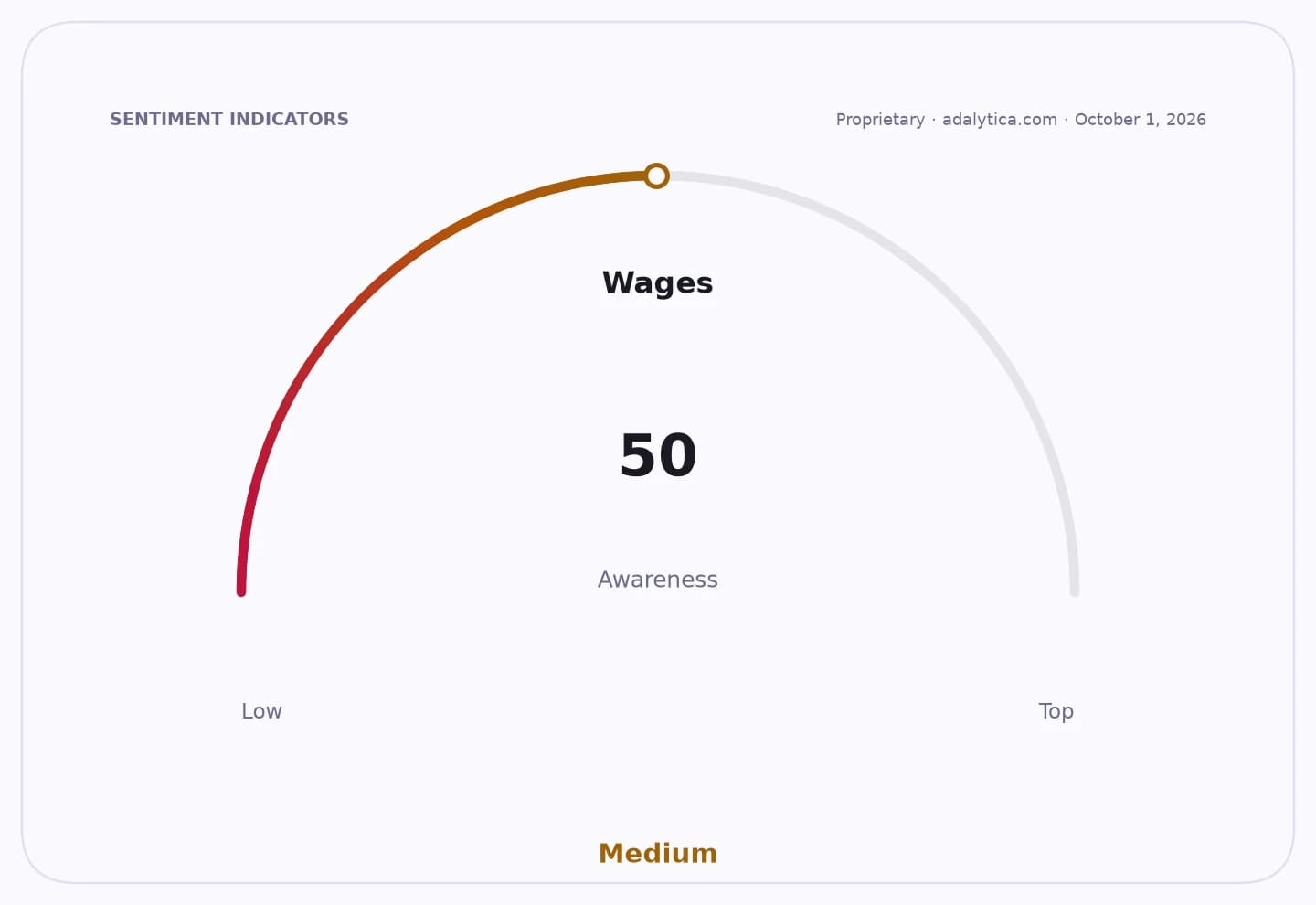
Sentiment IndicatorsⓘProprietary · adalytica.com · October 8, 2026
This is a snapshot — live sentiment, awareness and momentum for 130+ markets update continuously in the dashboard.Open AlphaPulse
Karahan said the liquidation process would be handled through Is Bank and Ziraat Bank, and that a Fund Coordination Board had been formed to oversee the unwind. He added that there was no sign the problem had spread across the financial system, a key reassurance for investors worried that losses in one corner of the market could trigger redemptions elsewhere. He also said withdrawals from the funds had slowed in recent days, suggesting immediate panic may be easing even as the cleanup continues.
For markets, the most important issue is not the fund-by-fund mechanics but the credibility of Turkey’s broader stabilization effort. The central bank is trying to sustain a disinflation path while maintaining tight policy, and any perception that authorities are prepared to protect private investors from governance failures could complicate that effort. Karahan said the disinflation process had slowed because of geopolitical shocks but should regain momentum as those effects fade and tight policy feeds through the economy. He also said consumer inflation had fallen to 32.4% from an earlier peak, and that total loan growth had slowed to around 25% from 35% at the end of February, evidence that policy restraint is biting.
That makes the fund liquidation issue economically important in two directions. If handled without taxpayer support, it can reinforce the government’s message that market discipline is back and that financial-sector losses will not automatically be transferred to the sovereign balance sheet. But if the unwind is messy, it could deepen mistrust in Turkey’s savings products and push households toward dollars or cash, complicating efforts to keep lira assets attractive. Karahan said lira-denominated shares still account for 61%-61.4% of funds, a level that suggests domestic-currency participation remains substantial even after the scandal.
Investors are likely to read the decision as a mixed signal. On the bull side, a no-bailout stance protects the fiscal position and may support the central bank’s anti-inflation credibility, while the use of major banks to administer the liquidation should limit operational disruption. On the bear side, the episode exposes governance risks in a market where trust is already fragile, and it raises the risk of reputational damage across the asset-management industry if losses are not contained quickly.
The bigger narrative is that Turkey is still trying to rebuild financial credibility after years of distortion, and this case will test whether regulators can impose accountability without triggering broader stress. The next focus will be whether withdrawals remain contained, how much loss is ultimately crystallized, and whether the episode alters household demand for lira assets just as policymakers are trying to extend disinflation and slow credit expansion.
| Entity | Gains | Losses |
|---|---|---|
| Turkish Treasury | ▲Avoids bailout costs | ▼Faces reputational pressure if cleanup falters |
| Taxpayers | ▲Protected from socialized losses | ▼None directly, but confidence may suffer |
| Banks administering liquidation | ▲Gain oversight role | ▼Carry execution and reputational risk |
| Fund investors | ▲May recover through orderly process | ▼Absorb losses from fraud-linked liquidation |