Turkey’s Supreme Court has handed employers and workers a ruling that could affect millions of jobs: taking annual leave in chunks shorter than 10 days, even at the employee’s request, is not by itself enough to justify dismissal.
Turkey court limits annual leave firing claims

For investors and business owners, that matters because it narrows one more path to termination disputes in a labor market where hiring and retention already depend on clear rules, predictable costs and fewer courtroom surprises. In practical terms, the decision makes it harder for companies to cite fragmented vacation use as a stand-alone reason to fire someone, which should push employers to document the underlying facts more carefully before moving to terminate.
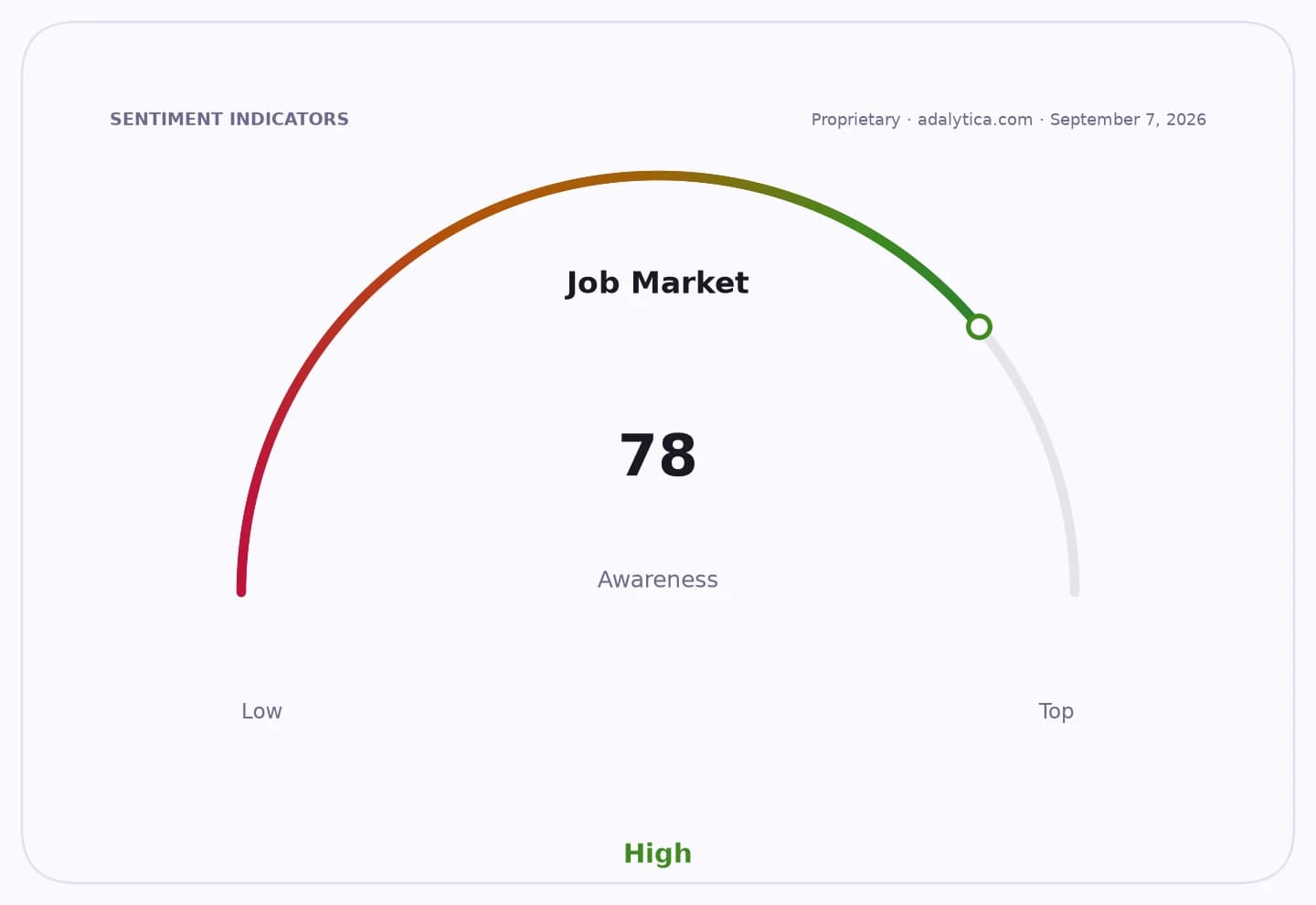
Sentiment IndicatorsⓘProprietary · adalytica.com · September 7, 2026
This is a snapshot — live sentiment, awareness and momentum for 130+ markets update continuously in the dashboard.Open AlphaPulse
The case turned on whether the worker could prove that a longer leave request had been blocked by the employer. The court said that without evidence of interference, the mere fact that annual leave was split into periods under 10 days did not amount to just cause. That is an important distinction: the ruling does not give employees a free pass to ignore workplace rules, but it does set a higher bar for employers who want to turn leave scheduling into a dismissal issue.
Why does that matter economically? Labor rules shape how efficiently companies can manage staffing, especially in service-heavy economies where coverage, scheduling and replacement hiring all affect margins. A clearer standard can reduce friction, but it can also limit management flexibility. That is why the ruling will be watched closely by employers, unions and employment lawyers: it shifts some power toward procedural proof rather than broad discretion.
The timing also fits a broader policy backdrop. Turkey, like many countries, is weighing how to balance worker protections with employer flexibility and fiscal discipline. The broader message from this ruling is that courts are likely to scrutinize termination decisions more closely when they involve statutory benefits such as annual leave. That can be good for employee rights, but it raises compliance costs for businesses that already face tight operating conditions.
For investors, the biggest takeaway is not a one-day market reaction but the compounding effect of labor predictability. Companies with strong human resources systems, solid documentation and lower employee turnover should navigate this kind of legal environment better than those that rely on ad hoc management. Staffing firms, payroll processors and workplace software providers may also benefit over time if employers invest more in compliance tools and attendance tracking.
That is the kind of ruling that rarely moves shares in a single session, but can influence how companies hire, manage and defend their decisions for years. Investors should watch for whether it leads to broader labor-case precedents or prompts lawmakers to clarify annual-leave rules further. For now, the message is simple: in Turkey’s labor market, process matters, and that is worth keeping on the watchlist.
| Entity | Gains | Losses |
|---|---|---|
| Employees | ▲stronger dismissal protection | ▼less bargaining confusion |
| Employers | ▲clearer legal standard | ▼less firing flexibility |
| HR and payroll software firms | ▲more compliance demand | ▼little direct downside |
| Staffing firms | ▲higher need for workforce management | ▼more legal caution by clients |