Turkey’s Supreme Court has ruled that annual leave taken in chunks of less than 10 days does not, by itself, justify an employee’s “just cause” resignation if the shorter leave was requested and accepted by the worker. The decision matters because it narrows a common basis for claims over severance pay and unused vacation compensation in a labor market where annual leave disputes can hit thousands of employers and millions of employees.
Turkey court rules on leave and severance
The 9th Civil Chamber of the Court of Cassation issued the ruling in a case involving a customs consultancy worker who said his employer repeatedly denied longer vacation requests, allowed him to take no more than six days at a time and left 68 days of unused leave unpaid. He argued that this amounted to just cause for termination and sought severance pay, annual leave compensation and bonuses.
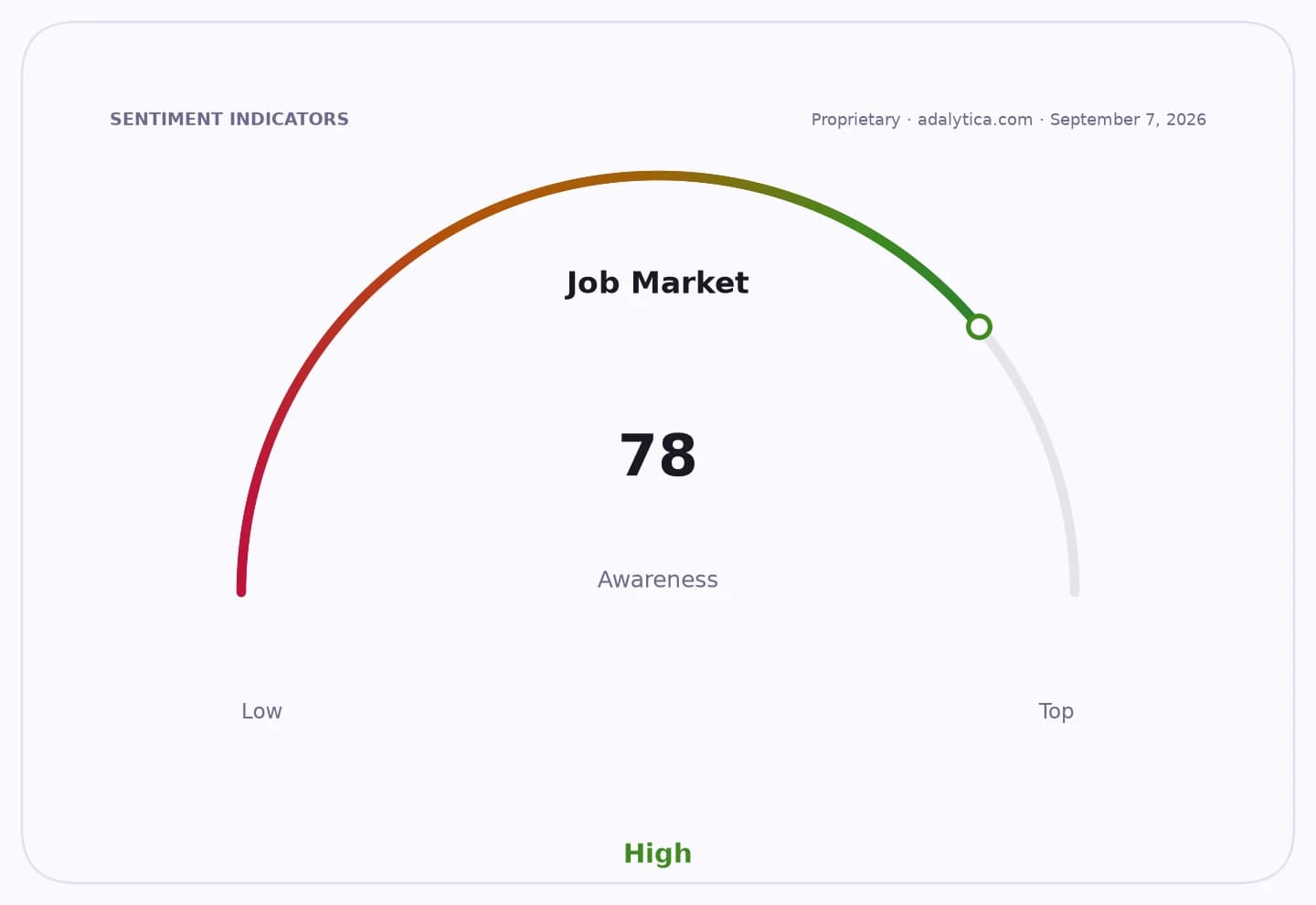
Sentiment IndicatorsⓘProprietary · adalytica.com · September 7, 2026
This is a snapshot — live sentiment, awareness and momentum for 130+ markets update continuously in the dashboard.Open AlphaPulse
Lower courts had taken the worker’s side, finding he had accrued 130 days of leave, used 48 and was owed 82 days in unpaid vacation. The first-instance court said the employer had not properly granted leave and awarded severance and leave pay, while rejecting the bonus claim for lack of proof.
The high court reversed that outcome, saying the evidence showed the shorter leave periods were used with the worker’s request and consent. It stressed that under Turkey’s labor law, annual leave cannot be split by the employer alone, but if the parties agree, one segment must not be shorter than 10 days. In this case, the court said the worker did not prove he had asked in writing for a longer uninterrupted leave at least a month in advance or that the employer had arbitrarily cut it short.
For investors and employers, the ruling reduces legal uncertainty around severance exposure in routine leave disputes and may make it harder for workers to turn short, consensual leave arrangements into termination claims. It also reinforces the importance of written leave records, which can be decisive in labor litigation and payroll provisions for companies that face recurring employee benefit liabilities.
The decision comes as Turkey is moving toward a broader overhaul of wages, social insurance and worker protection rules, a policy shift that is expected to be finalized by early 2027. That means labor compliance, document retention and payroll controls are likely to stay in focus for employers across both the public and private sectors.
| Entity | Gains | Losses |
|---|---|---|
| Employers | ▲Lower severance risk | ▼Less exposure to leave claims |
| Workers | ▲Clearer leave rules | ▼Harder to prove just-cause exit |
| Courts | ▲Stronger precedent | ▼Fewer worker-favoring awards |
| Payroll and HR teams | ▲More value for records | ▼Higher compliance burden |