Industrial production rose 3.9% in May, according to Turkey’s official data, giving Ankara a stronger signal that manufacturing activity is holding up despite tight monetary policy aimed at cooling inflation.
Turkey factory rebound supports soft landing
The gain matters because Turkey is trying to rebalance growth toward higher-value production and exports while restraining domestic demand. Treasury and Finance Minister Mehmet Şimşek said calendar-adjusted industrial production increased 1% in the first five months of the year, pointing to continued capacity expansion even as borrowing costs remain elevated.
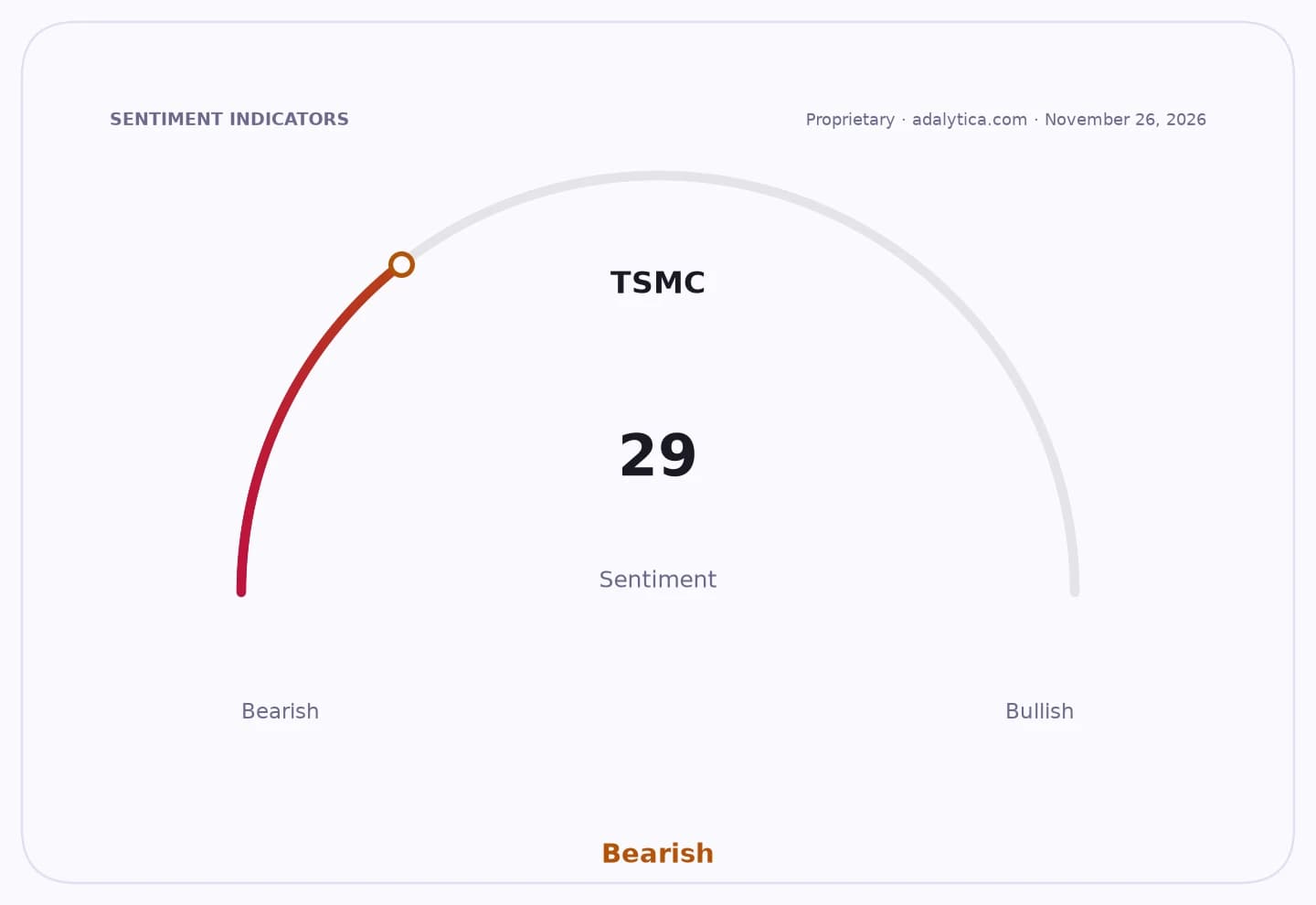
Sentiment Indicators
For investors, the data offers a mixed message. Firmer output supports the case for Turkish manufacturers, exporters and industrial suppliers, but it may also reduce pressure on policymakers to ease financial conditions quickly. A resilient factory sector gives the central bank more room to keep policy restrictive if inflation remains sticky.
Şimşek said the government remains focused on increasing production capacity and value-added output, citing the defense industry as a model for broader industrial upgrading. The strategy is aimed at lifting competitiveness, drawing in foreign industrial investment and improving Turkey’s export profile.
Market sentiment has not fully caught up with the production data. Proprietary indicators from Adalytica.com show industrial production sentiment at 14, an “Extreme Fear” reading, even as awareness remains neutral. That gap suggests investors remain cautious about whether stronger output can be sustained under high rates and uneven global demand.
The next test is whether May’s rebound translates into broader manufacturing momentum rather than a one-month lift. If industrial production continues to expand, it would strengthen Turkey’s soft-landing narrative; if it fades, pressure will build on Ankara to show that its value-added production push can survive tighter credit conditions.
| Entity | Gains | Losses |
|---|---|---|
| Turkish manufacturers | ▲Stronger output base | ▼Higher financing costs |
| Exporters | ▲Capacity and competitiveness | ▼Weak global demand |
| Central bank hawks | ▲More room to stay tight | ▼Early easing bets |
| Domestic borrowers | ▲Industrial resilience | ▼Costly credit |