Turkey’s households are still pricing in entrenched inflation over the next year, and that matters because it reinforces the demand for hard assets, weakens confidence in the lira and complicates the central bank’s disinflation effort.
Turkey households raise 12-month inflation expectations
According to the Central Bank of the Republic of Turkey’s Household Expectations Survey, annual inflation expectations for the next 12 months rose to 45.60% in September from the prior month, while gold remained the most preferred investment choice, with 43.0% of respondents saying they would buy the metal.
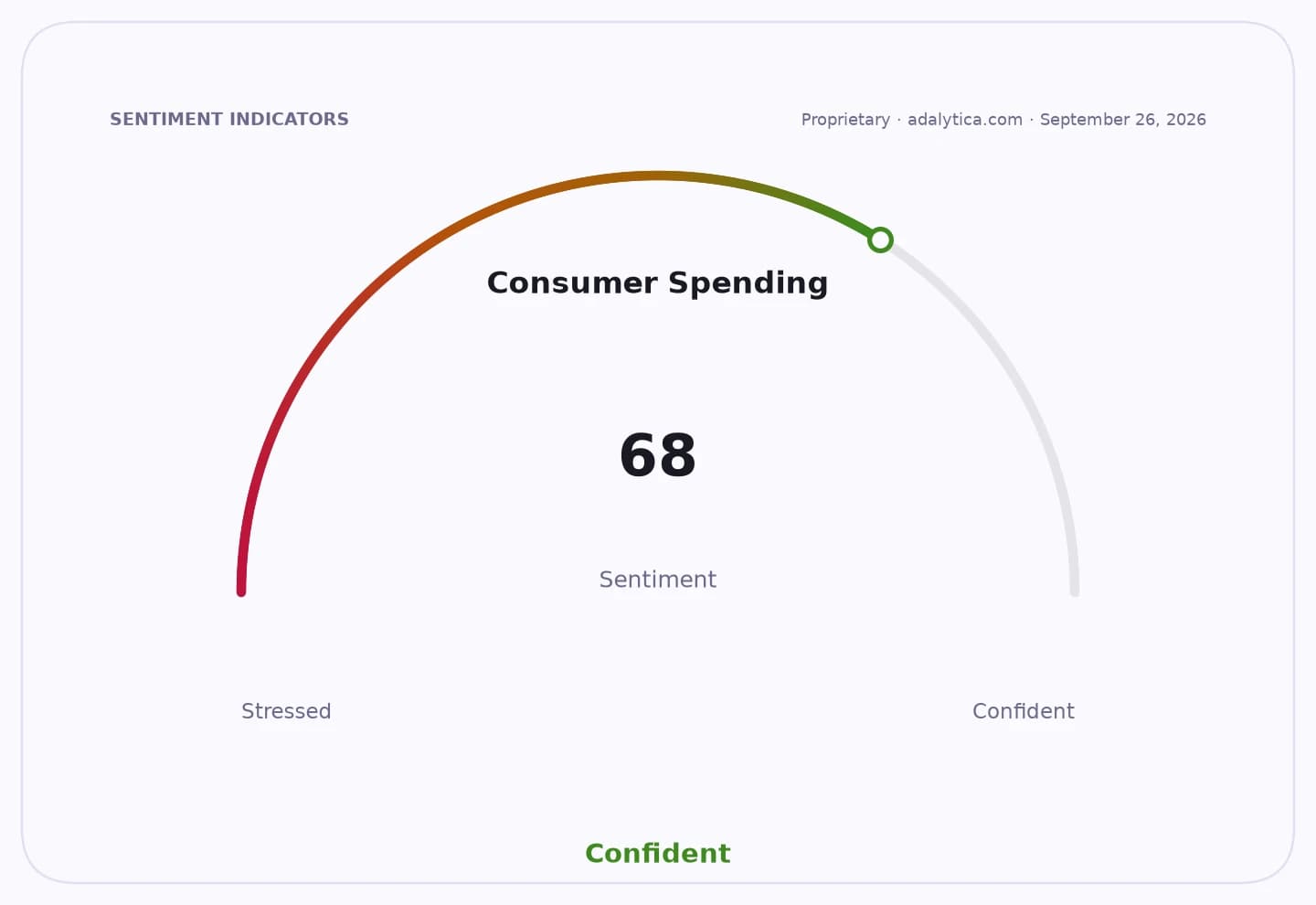
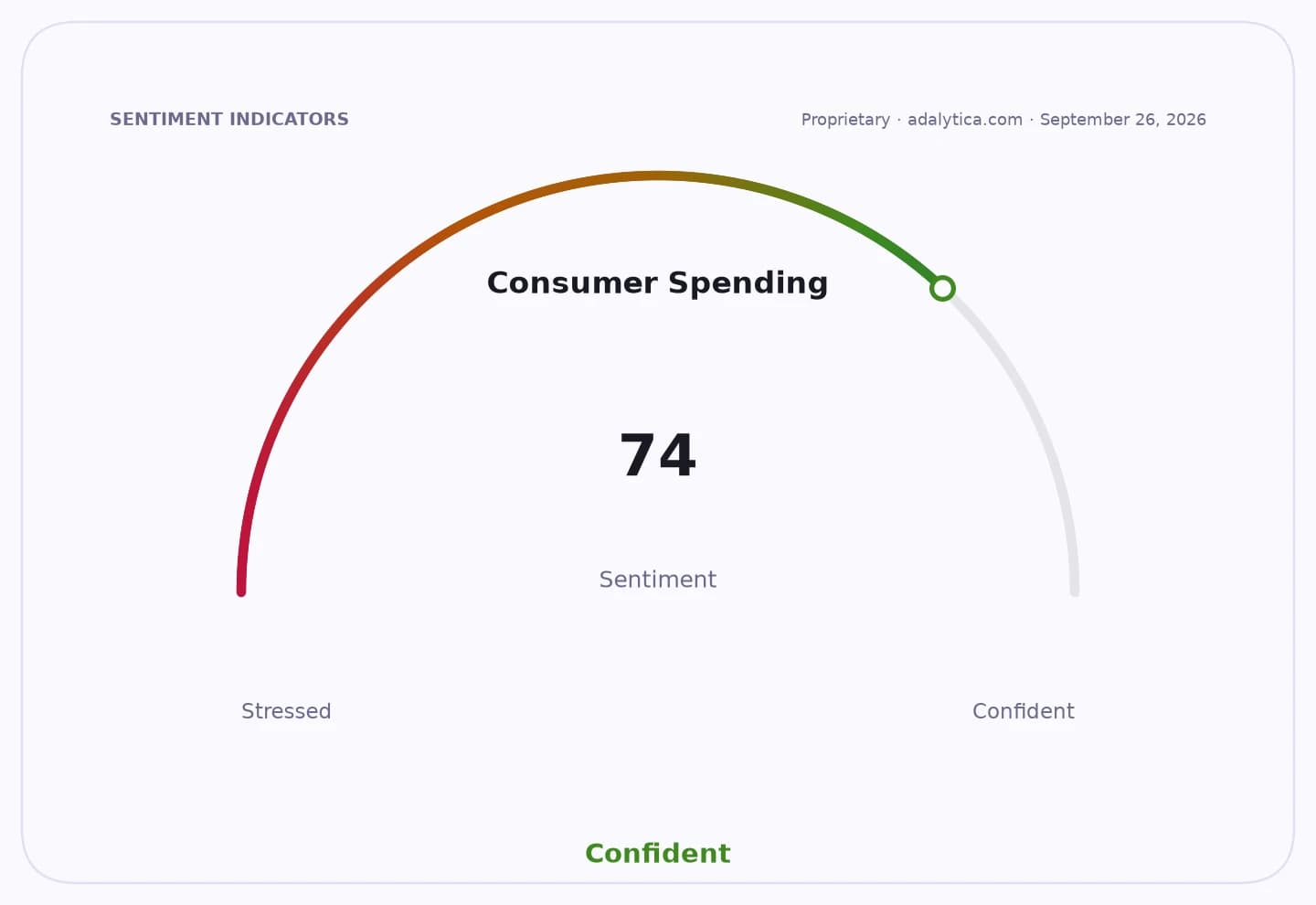
Sentiment IndicatorsⓘProprietary · adalytica.com · September 27, 2026
This is a snapshot — live sentiment, awareness and momentum for 130+ markets update continuously in the dashboard.Open AlphaPulse
The shift is economically significant because household expectations often shape actual behavior. When consumers and savers assume prices will keep rising rapidly, they move money out of cash and local-currency deposits and into perceived stores of value such as gold, foreign currency and property. That can keep pressure on domestic demand, complicate price-setting and make inflation stickier even if official readings ease.
The survey shows the persistence of that mindset across demographics. Inflation expectations rose among men to 44.6% from 44.2% and among respondents aged 55 and over to 48.3% from 48.1%. Expectations also climbed among those earning at or below the minimum wage, to 49.4% from 48.3%, underscoring that the inflation burden remains heaviest for lower-income households.
The preference for gold is consistent with that caution. The share of respondents favoring gold rose 1.7 percentage points from August, while the share choosing real estate fell 3.5 points to 33.6%. That is a notable tilt toward liquidity and portability over property, suggesting households are still looking for hedges rather than committing to longer-term domestic assets. The survey also showed a higher share expecting the dollar to rise to 55.90 lira in 12 months, another sign that currency anxiety remains embedded.
For markets, the message is twofold. Gold benefits when households and investors want protection against inflation, currency weakness and policy uncertainty. Turkey’s retail demand for the metal can support local premiums even when global prices are moving sideways. By contrast, the lira and domestic fixed-income assets remain under pressure when inflation expectations stay elevated, because real returns remain difficult to secure.
That broader backdrop also matters for the central bank. The CBRT has been trying to anchor expectations as part of a wider disinflation strategy, but household surveys suggest confidence is still fragile. Even a small month-on-month rise in the headline expectation matters because expectations are already very high in absolute terms. As long as households think inflation will stay near 46% over the next year, the policy burden remains heavy.
Gold’s appeal in Turkey is therefore not just a trading preference; it is a symptom of a wider macro problem. Until households see a more convincing and sustained slowdown in prices, gold is likely to remain the default hedge, while confidence in the lira, deposits and other domestic financial assets lags.
| Entity | Gains | Losses |
|---|---|---|
| Gold buyers | ▲Inflation hedge | ▼Cash real returns |
| CBRT | ▲Policy urgency | ▼Credibility if expectations stay high |
| Lira savers | ▲Portability in metals | ▼Local-currency purchasing power |
| Banks and deposit products | ▲Higher caution-driven flows | ▼Demand for longer-duration domestic assets |