Turkey’s inflation cooled to a lower-than-expected 1.84% month on month in August, reinforcing the case that price pressures are easing even as annual consumer inflation remained elevated at 31.51% and the cost of living is still rising at a pace that strains households and businesses.
Turkey inflation cools to 1.84% in August
The reading matters because it supports the government’s claim that disinflation is under way, but it also shows how far Turkey remains from price stability. For policymakers, a softer-than-forecast print gives the central bank more room to keep tightening conditions gradually or, if momentum continues to improve, to consider a slower pace of policy restraint later in the year. For investors, it is a test of whether Turkey’s recent stabilization in local assets can be sustained without a fresh inflation shock.
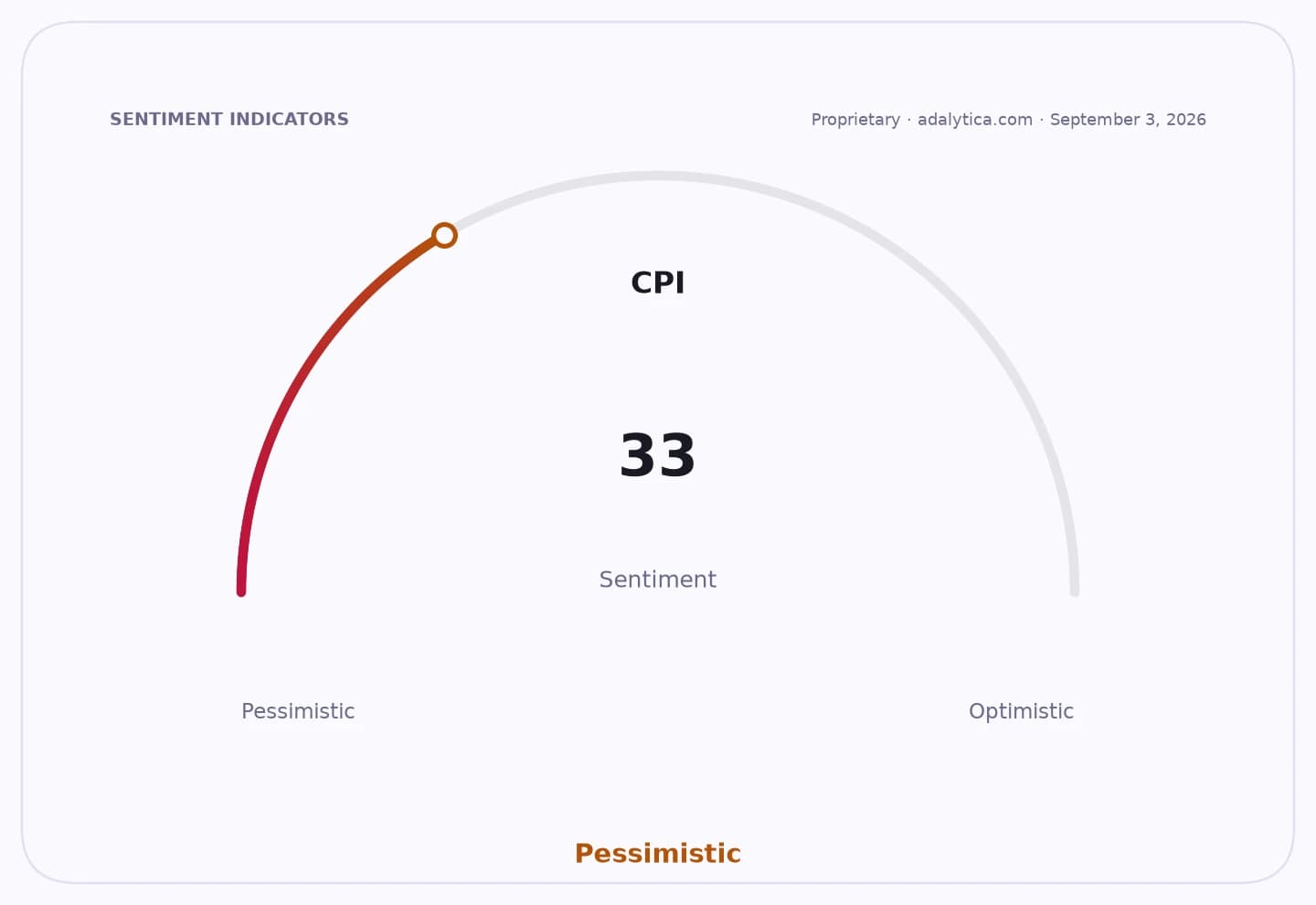
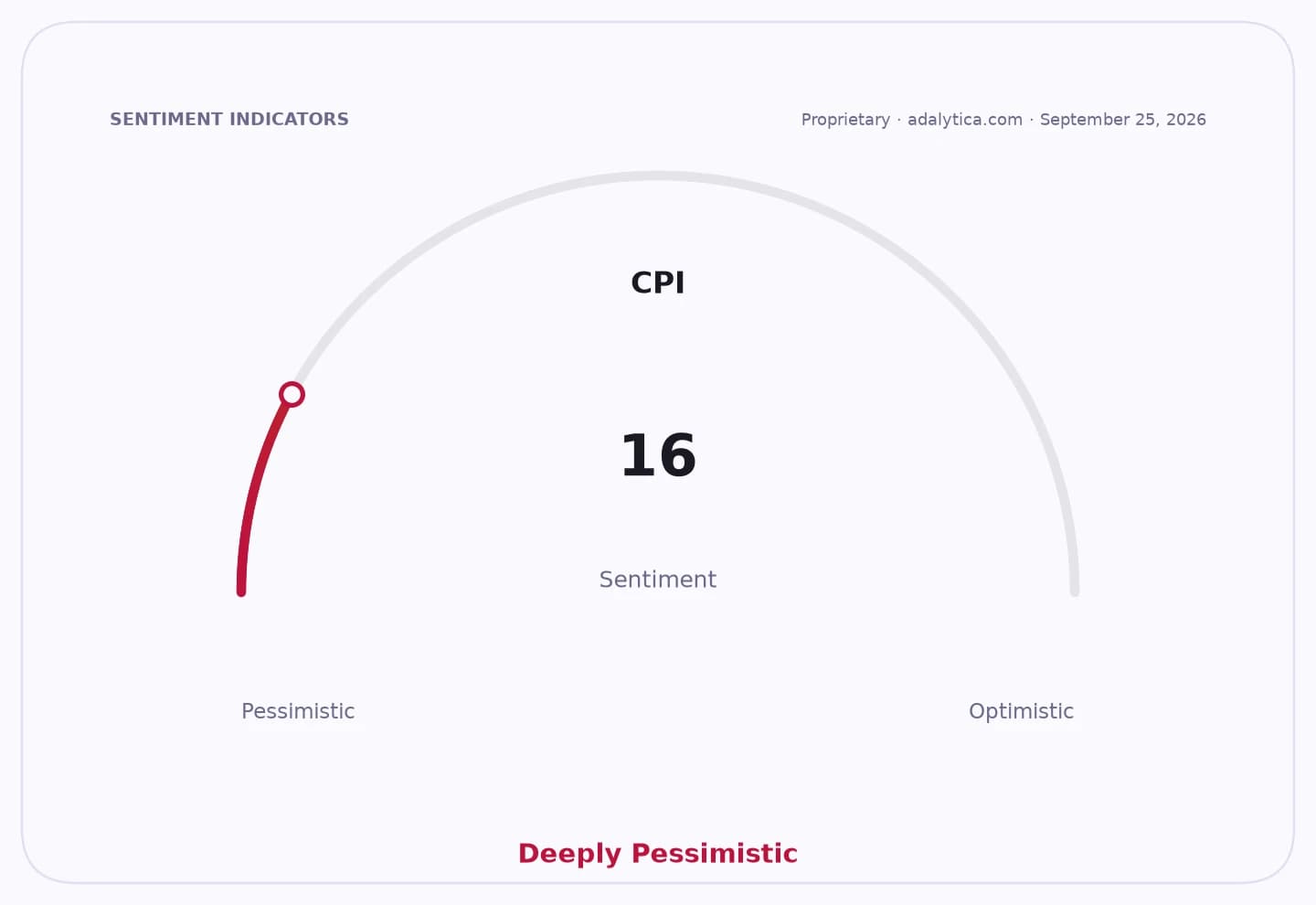
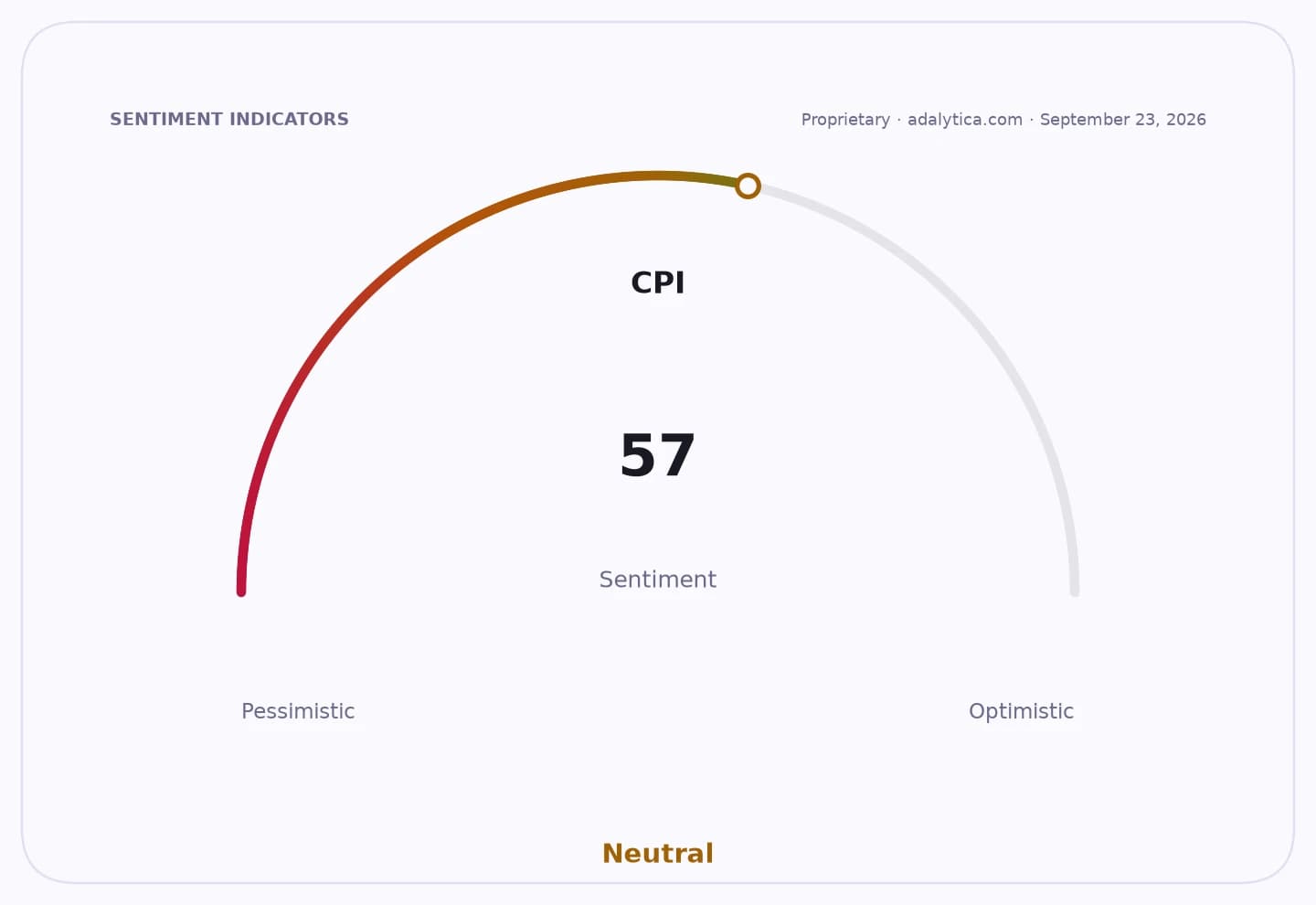
Sentiment IndicatorsⓘProprietary · adalytica.com · September 4, 2026
This is a snapshot — live sentiment, awareness and momentum for 130+ markets update continuously in the dashboard.Open AlphaPulse
The August data were helped by weaker-than-expected price gains in some core areas, with annual inflation easing to 31.51% and producer prices rising 27.95% year on year. The government pointed to lower annual rent inflation, which Finance Minister Mehmet Simsek said had fallen to its lowest in 46 months, and to a decline in core goods inflation to 15.9%, the weakest since late 2020. That matters economically because rents, food, transport and housing remain the main channels through which inflation reaches consumers’ budgets and feeds wage demands.
But the composition of the report also shows the persistence of pockets of pressure. Education prices rose 8.62% on the month and 53.44% on the year, while transport and housing costs continued to add materially to the headline figure. Air travel, fuel and some food items also climbed sharply, suggesting that the disinflation process is uneven rather than broad-based. That makes it harder for the central bank to declare victory, especially when monthly prints can still be distorted by regulated prices, seasonal education costs and energy swings.
The inflation report also reset the rent ceiling for contracts renewing this month to 31.79%, underscoring how high price growth continues to affect the real economy. For households, that means disposable income remains under pressure even if the monthly pace is slowing. For landlords, it preserves nominal income growth but does little to offset the erosion of purchasing power that follows sustained inflation.
Markets are likely to read the figure as mildly supportive for Turkish bonds and the lira if the slowdown proves durable, but the bigger question is whether the annual rate can keep falling without a renewed jump in food, energy or services prices. The next set of data will show whether August was the start of a cleaner disinflation trend or just a pause in a still-fragile process.
| Entity | Gains | Losses |
|---|---|---|
| Turkish government | ▲Credibility on disinflation | ▼Pressure to maintain tight policy |
| Households | ▲Slower monthly price growth | ▼Higher rents and living costs |
| Turkish bonds/lira | ▲Better rate-cut outlook | ▼Risk if inflation reaccelerates |
| Landlords/sellers | ▲Higher nominal rent resets | ▼Real purchasing power erosion |