Turkey’s July inflation reading, due at the start of August, is shaping up as the key test of whether the central bank’s 37% policy rate is starting to rein in prices without derailing the economy.
Turkey July CPI Tests Disinflation Path
The consensus forecast in the data points to consumer prices rising 0.89% month on month in July, which would lift the CPI to 335.512 from 332.568 in June. Core inflation is expected to rise a milder 0.33%, a sign that underlying price pressures may be easing more slowly than the headline number. For investors, the significance is less about the precise monthly move than whether the report confirms a durable disinflation trend after Turkey’s price momentum stalled in June.
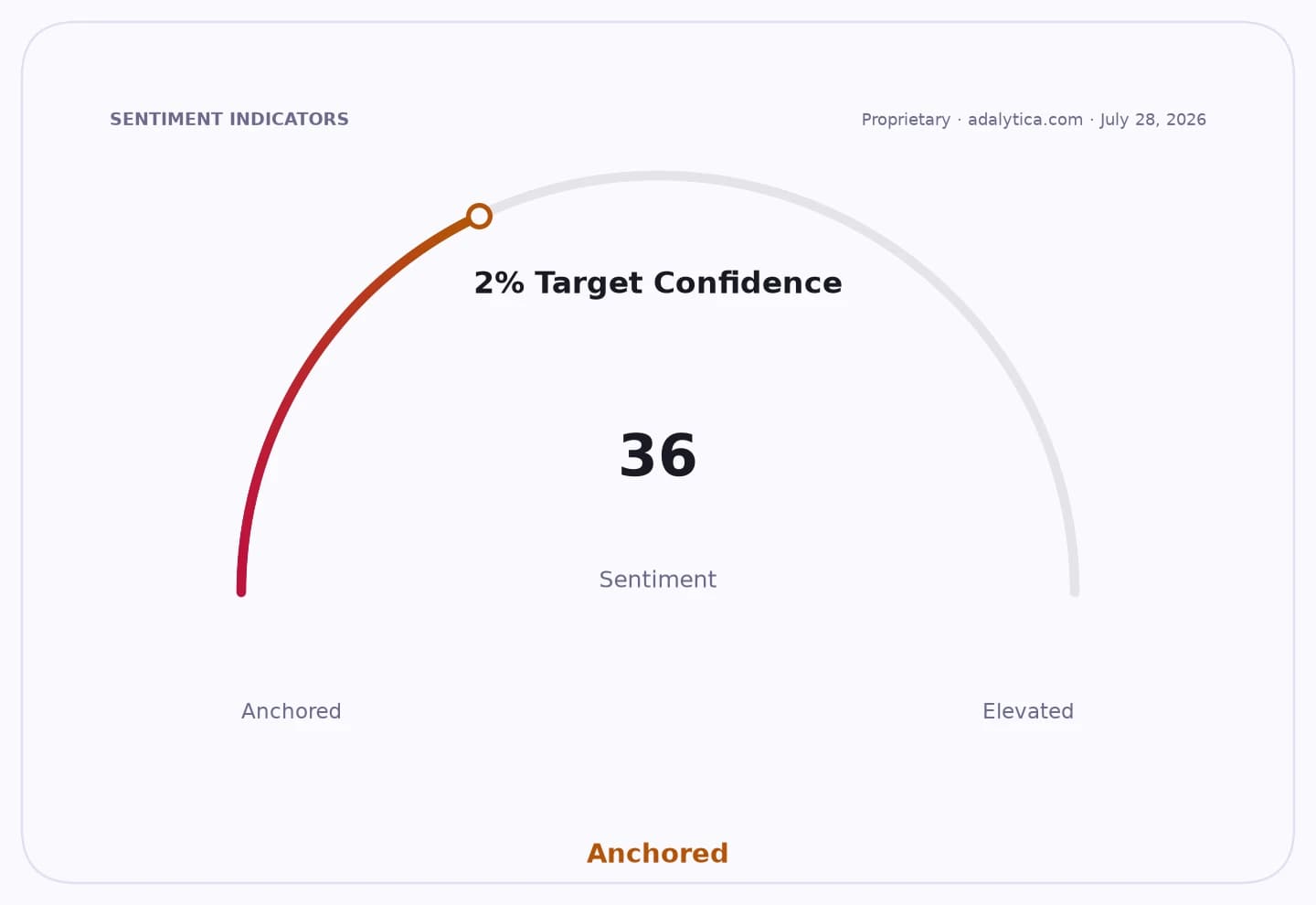
Sentiment IndicatorsⓘProprietary · adalytica.com · July 28, 2026
This is a snapshot — live sentiment, awareness and momentum for 130+ markets update continuously in the dashboard.Open AlphaPulse
That matters because inflation remains the dominant variable for Turkish assets. If July comes in close to forecast or softer, it would bolster the argument that the Central Bank of the Republic of Turkey can keep policy unchanged after holding rates at 37% for a fourth straight meeting. A cleaner inflation profile would also support local-currency bonds and reduce pressure on the lira, which has been trading near 47.38 per dollar and remains vulnerable to any setback in the inflation narrative. If the print surprises higher, it would revive doubts about how quickly monetary restraint is working and could force markets to reprice the path for rates and the currency.
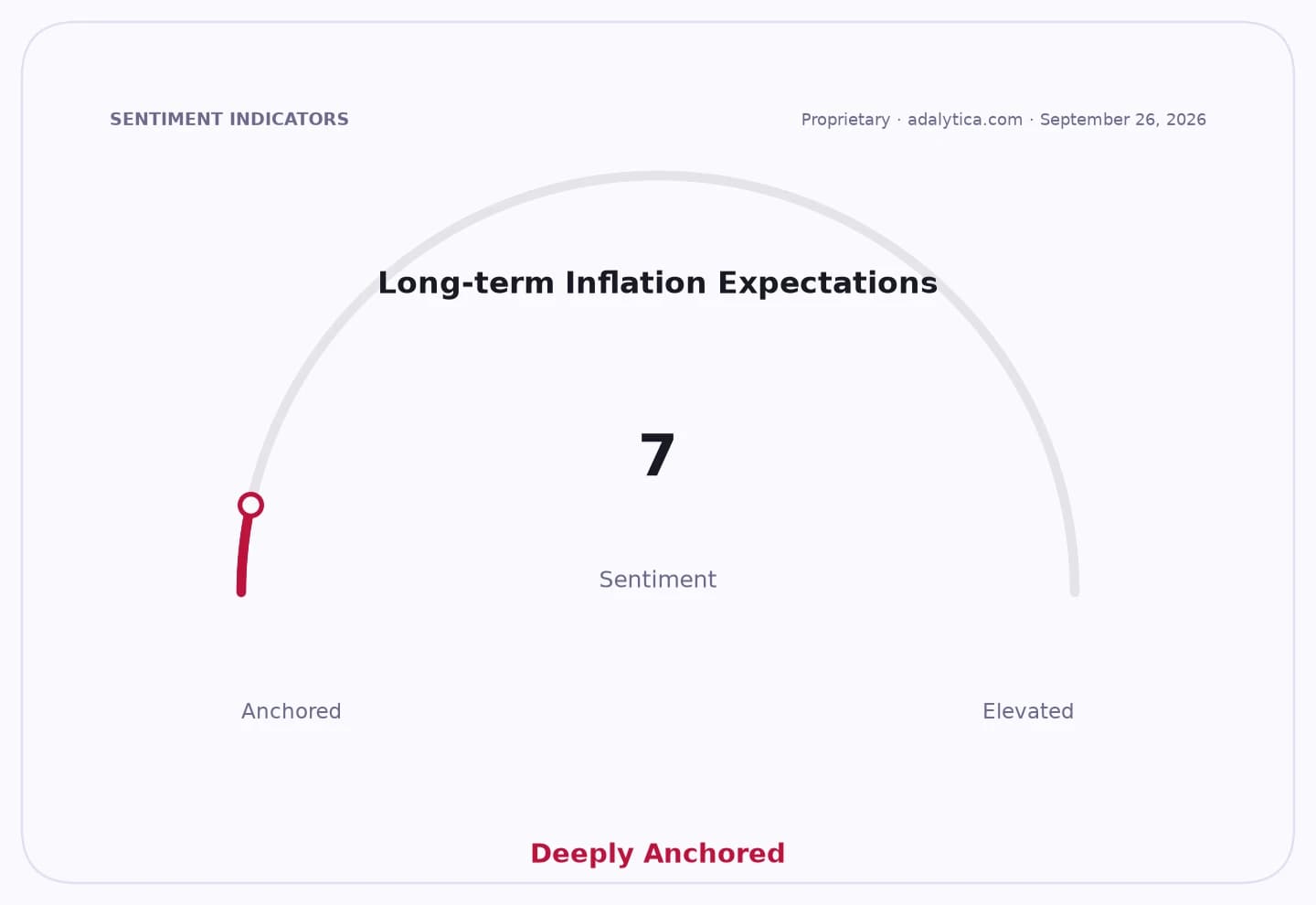
The backdrop is still difficult. Headline CPI fell 0.42% in June after a 0.47% rise in May, while core inflation was essentially flat. That sequence suggests the monthly pace of price growth has become less one-way, but not yet decisively benign. In a country where inflation expectations have historically been fragile, every monthly release carries outsized importance for policy credibility. Adalytica’s long-term inflation expectation gauge remains in fear territory, underscoring that confidence in a clean return to target is still incomplete even after the central bank’s tightening campaign.
The rate environment is doing its part. The Turkish 10-year yield has recently been around 4.65%-4.71%, reflecting both tighter global rates and domestic inflation risk. A hotter-than-expected CPI report would likely push yields higher and pressure duration-sensitive assets. A softer print would support the bull case that real rates are becoming more restrictive in practice, giving the CBRT room to pause and wait for the transmission of policy to deepen.
The corporate and market read-through is broader than fixed income. Turkish banks, retailers and consumer-facing firms are all exposed to the speed of inflation deceleration because it affects credit demand, funding costs and purchasing power. Exporters could still benefit from a weaker lira, but domestic-demand names would gain more from a stable inflation backdrop that allows households to rebuild spending power and reduces the need for additional policy tightening.
Moody’s recent affirmation of Turkey’s credit rating and outlook adds a second layer of importance. Rating stability is one thing; sustained disinflation is another. If July inflation confirms that price growth is slowing without renewed currency stress, it would strengthen the case that policy discipline is finally feeding through to macro stability. If not, the market will assume Turkey is still in a stop-start phase where progress on reforms and credibility can be easily undone by another inflation shock.
For investors, the release will therefore be less a single data point than a referendum on Turkey’s stabilization story. A benign July print would support lira assets, help anchor expectations and preserve the CBRT’s hold pattern. A strong upside surprise would do the opposite, reviving inflation hedging demand and extending the premium investors require to own Turkish risk.
| Entity | Gains | Losses |
|---|---|---|
| CBRT | ▲Policy credibility | ▼If inflation surprises higher |
| Turkish lira | ▲Stability bid | ▼Pressure from hotter CPI |
| Local bondholders | ▲Lower yield risk | ▼Mark-to-market losses |
| Consumers and importers | ▲Softer price growth | ▼Reduced purchasing power |