Hak-İş President Mahmut Arslan is pressing for a wholesale overhaul of Turkey’s Minimum Wage Determination Commission, arguing that the current system has lost legitimacy as millions of workers brace for year-end pay talks.
Turkey Minimum Wage Commission Reform Push

Arslan called on TÜRK-İŞ, DİSK, Hak-İş and the government to sit down immediately and redesign the process, saying the present “limping commission” risks producing a wage decision that fails both public conscience and workers’ expectations. His intervention matters because the minimum wage in Turkey is not just a labor issue: it is a key input for consumer spending, inflation dynamics and company wage bills across the economy.
The critique lands as the government prepares for another round of bargaining over the floor wage that affects a broad swath of salaried workers and feeds directly into pricing decisions for retailers, manufacturers and service businesses. When labor groups say the talks are predetermined, it raises the risk of a more contentious negotiation and adds pressure on policymakers to show the process is credible, not merely procedural.
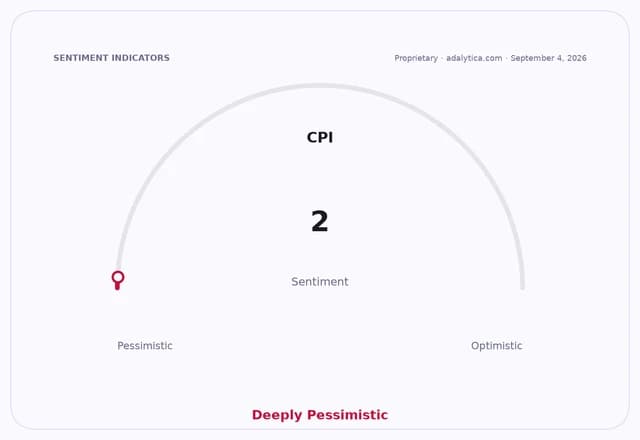
The broader economic backdrop is one of continuing sensitivity around wages and inflation. Adalytica’s WAGES gauge shows wage inflation sentiment at 37, still neutral but down sharply over the past month, while the CPI sentiment indicator sits at 2, in “Extreme Fear,” underscoring how fraught cost-of-living pressures remain for households and employers.
For investors, the issue reaches beyond labor politics. A higher minimum wage can support consumer demand and benefit retailers and consumer staples if households gain purchasing power, but it can also squeeze margins for labor-intensive businesses and add to inflation pressure. That makes the outcome relevant for Turkish equities, domestic consumption plays and any company with large low-wage workforces.
The message from Hak-İş is that the current structure may not survive another wage round unchanged. If labor, business and government do not reach a compromise on the commission’s makeup or voting rules, the next minimum wage decision could become both a policy fight and a market variable.
| Entity | Gains | Losses |
|---|---|---|
| Workers | ▲Higher wage floor | ▼Continued weak bargaining power |
| Labor unions | ▲More credible talks | ▼Marginalized role in setting pay |
| Consumer-focused companies | ▲Stronger household spending | ▼Higher wage costs |
| Government | ▲Reform opportunity | ▼Pressure over legitimacy |