Turkey is preparing to double output at its flagship Black Sea gas project, a move Energy Minister Alparslan Bayraktar says will cut the country's dependence on imports and lift domestically supplied gas to 8 million households.
Turkey Sakarya gas output to double by 2027
The expansion matters because energy imports remain one of Turkey's biggest external spending items and a persistent pressure point on the current account and inflation. More local production means less foreign currency leaving the economy, stronger energy security and a lower exposure to volatile global gas markets.
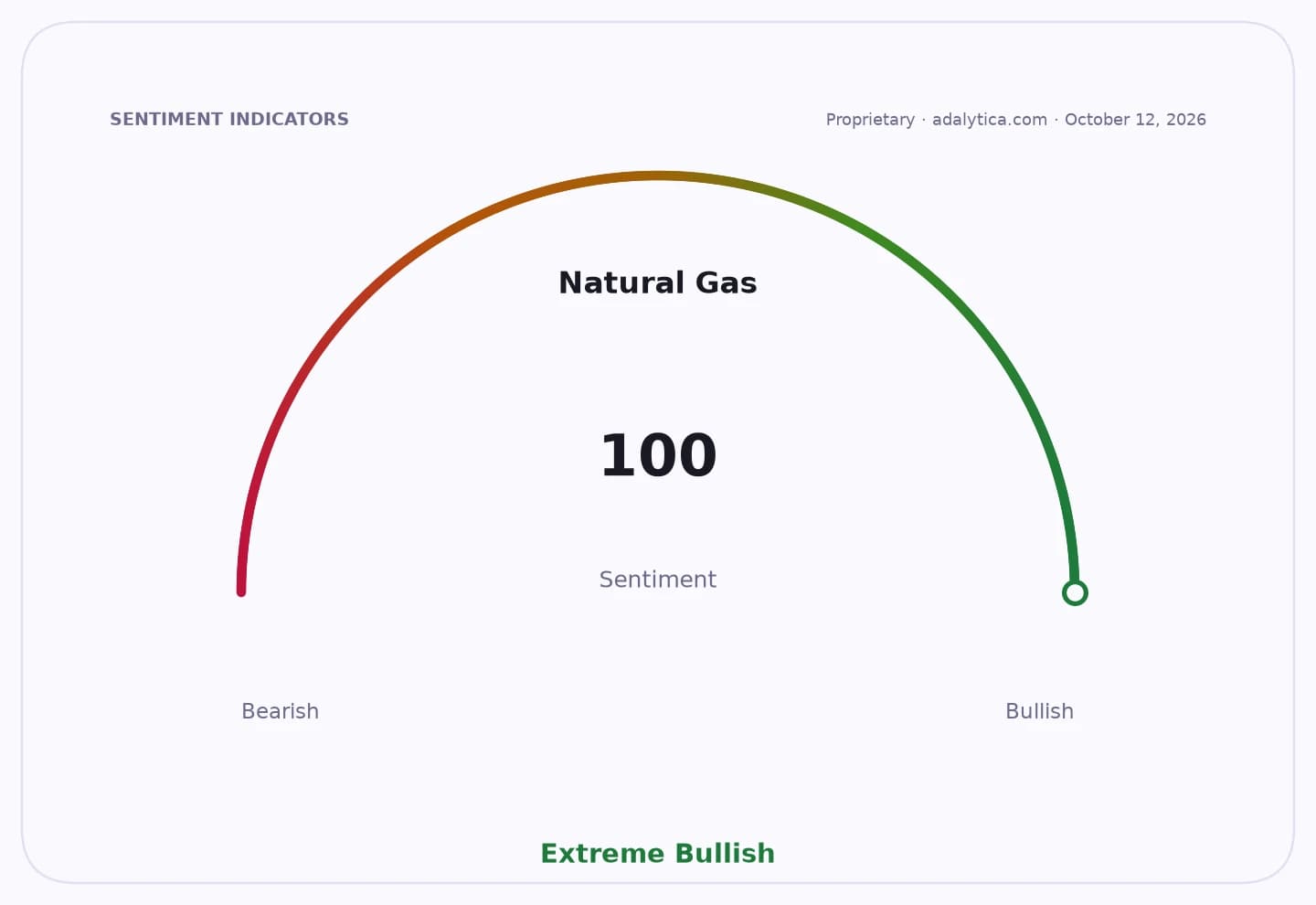
Sentiment IndicatorsⓘProprietary · adalytica.com · October 17, 2026
This is a snapshot — live sentiment, awareness and momentum for 130+ markets update continuously in the dashboard.Open AlphaPulse
Bayraktar said the Osman Gazi floating production platform will sail from Filyos on Oct. 17 to the Sakarya gas field, where it is expected to lift daily output to 20 million cubic meters from 9.5 million cubic meters. The platform will operate around the clock for 20 years at a site about 170 kilometers offshore.
Officials estimate the added production will be worth about $10 million a day at current gas prices, or $3.5 billion a year to the Turkish economy. That would also double the number of households supplied by domestic gas to 8 million from 4 million now, underscoring how central the project has become to Ankara's energy policy.
Osman Gazi is Turkey's first floating production platform and was heavily modified in Filyos before deployment, with 7,000 workers involved in the preparations. The government says the platform has 21 separate facilities on board, 642 kilometers of electrical cabling and a 96-meter flare tower, reflecting the scale of the investment behind the project.
For investors, the story is less about a direct listed-market catalyst than about what cheaper and steadier domestic gas could mean for Turkey's macro backdrop, industrial costs and energy-linked cash flows. A smaller import bill would be supportive for the lira, while lower fuel costs could help ease pressure on energy-intensive industries and state pricing decisions.
The next catalyst is the platform's departure from Filyos and the planned start of production in early 2027, which will mark the completion of the Sakarya field's second phase.
| Entity | Gains | Losses |
|---|---|---|
| Turkey / Treasury | ▲Lower import bill | ▼Less exposure to global gas prices |
| Households | ▲More domestic supply | ▼Reliance on imports |
| Industrial users | ▲Potentially steadier energy costs | ▼Passing through high fuel costs |
| Gas exporters / LNG suppliers | ▲— | ▼Weaker Turkish import demand |