Türkiye’s inflation crisis is the clearest example of what can happen when a central bank is pushed to cut rates before prices are under control.
Türkiye inflation crisis and rate cuts
Wages
The country’s experience matters far beyond Ankara because it shows the cost of treating inflation as something that can be talked down rather than fought with credible monetary policy. Under pressure from President Recep Tayyip Erdogan, the central bank cut interest rates through late 2021 and into 2022 even as inflation was already building. The result was brutal: consumer prices surged to a peak of 85.5% in October 2022, while the dollar climbed nearly 130% against the lira.
Sentiment Indicators
For investors, that is the core lesson. Interest rates are not just a financing tool; they are a signal of whether a country still has the market’s trust. Once that trust breaks, inflation expectations become unanchored, the currency weakens, import costs rise and households lose purchasing power. That is why Türkiye’s episode still gets invoked whenever policymakers flirt with “non-orthodox” rate caps or politically directed easing.
The Turkish case is especially relevant now because it is being used as a warning label in debates over interest-rate ceilings elsewhere. Ideas that the central bank should be prevented from moving rates freely — or forced to keep them inside a narrow corridor — sound attractive to borrowers in the short run. But Türkiye showed the long-term cost: the central bank cut from 19% to 18% in September 2021, kept easing, and inflation still exploded. Only after the policy reversal under Erdogan’s renewed rule did rates climb aggressively again, reaching 50% in March 2024.
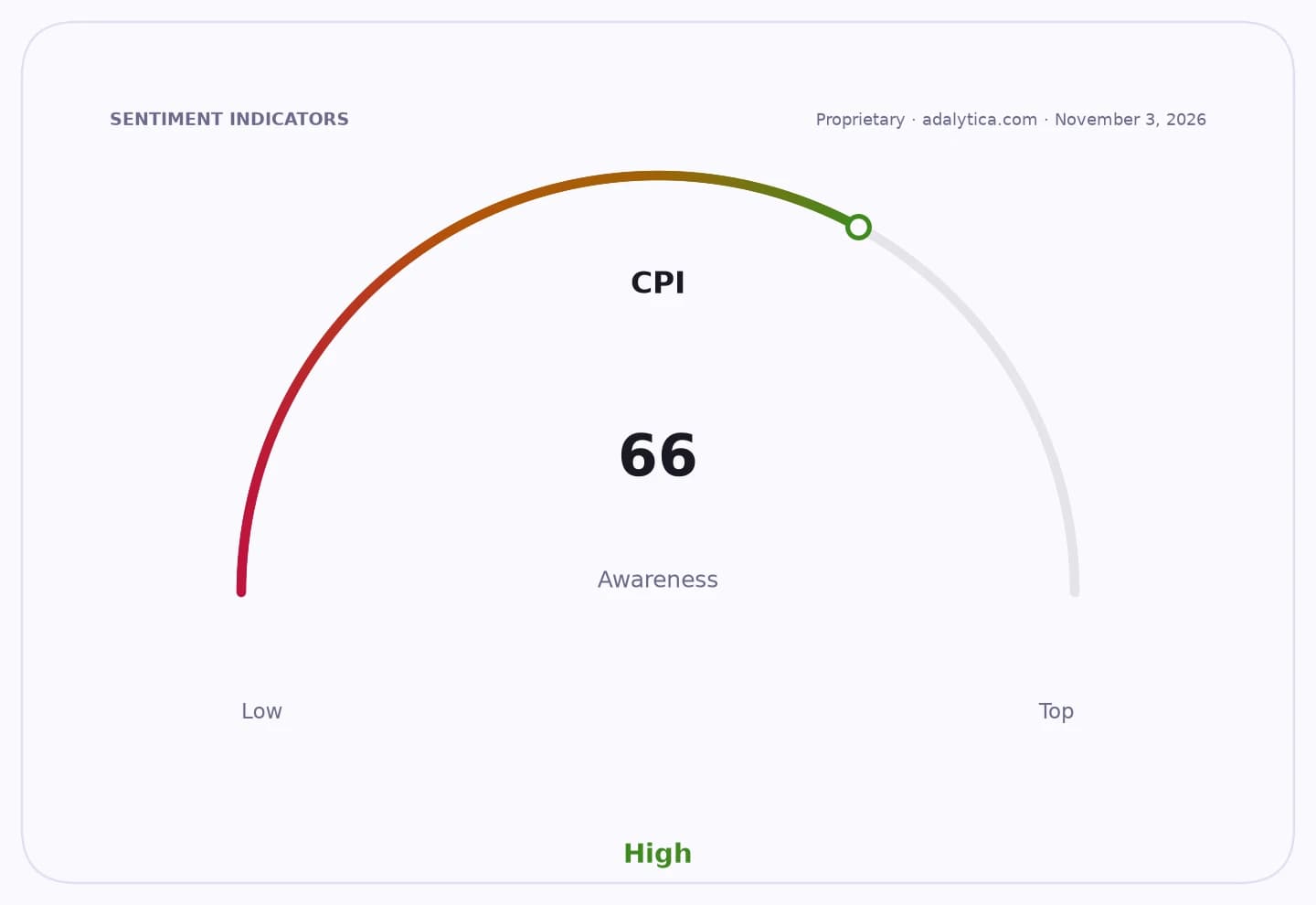
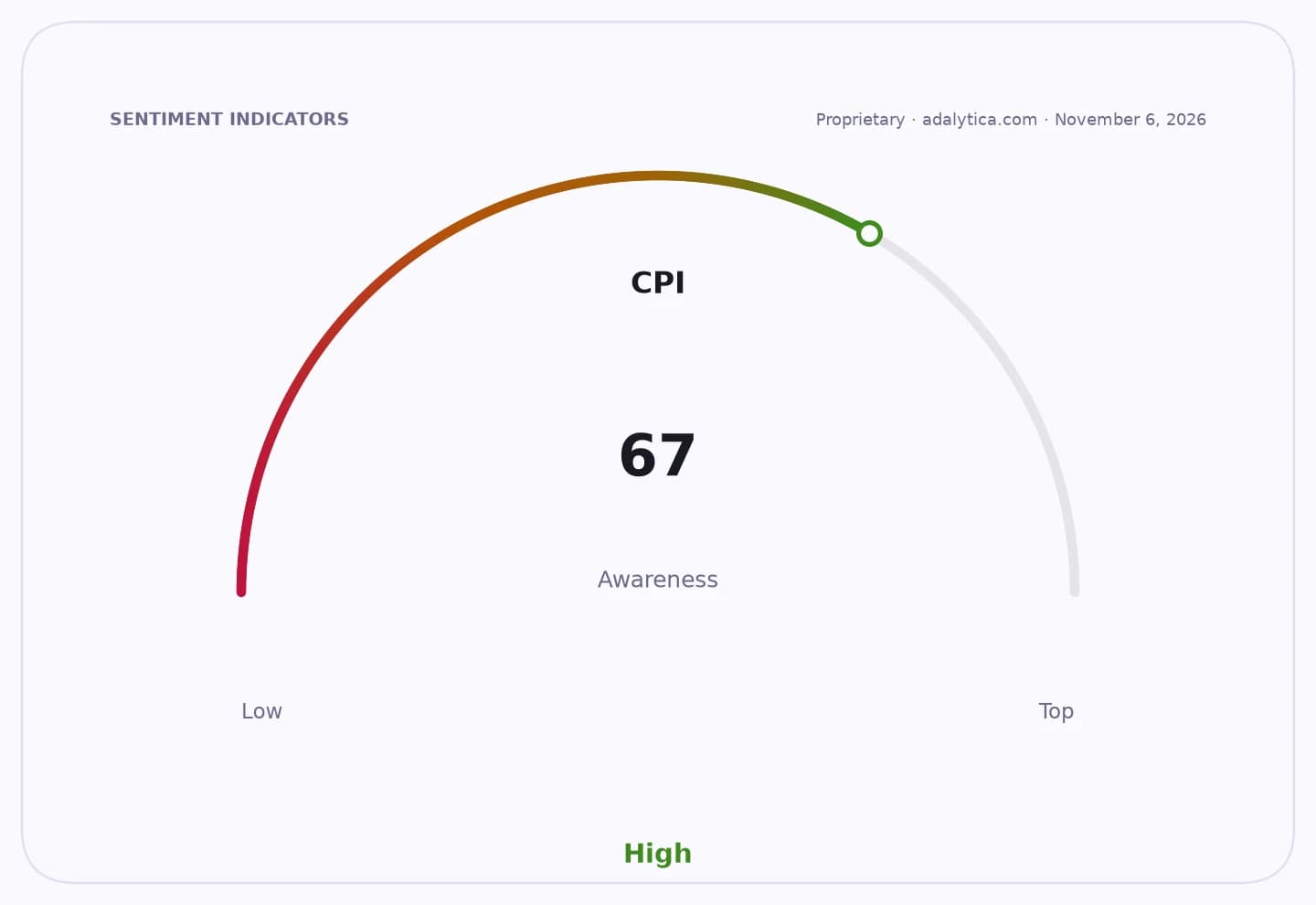
2% Target Confidence vs TRY=Xadalytica.com
Explore this data interactively — full history, time series and cross-market comparisons.
That is why the story matters economically. Inflation does not stay contained just because policymakers want growth. If markets suspect the central bank has lost independence, the currency and price level tend to do the disciplining for them. Türkiye’s lira, consumer prices and rate path all show the same thing: once inflation expectations take hold, the bill gets paid by savers, wage earners and anyone importing goods or borrowing in foreign currency.
For long-term investors, the takeaway is simple: countries with credible central banks usually enjoy lower inflation risk premiums, steadier currencies and more predictable real returns. Countries that interfere with monetary policy often get the opposite — volatility, weaker purchasing power and higher discount rates for local assets. If you are building a portfolio for the next 5 to 10 years, that is exactly the kind of policy risk that deserves respect. Türkiye’s inflation shock is worth keeping on the watchlist, especially anytime political leaders start promising easy money to fix hard economic problems.
| Entity | Gains | Losses |
|---|---|---|
| Borrowers in the short term | ▲Lower rates, cheaper credit | ▼Later inflation shock |
| Savers and wage earners | ▲None | ▼Purchasing power erosion |
| Lira holders | ▲None | ▼Currency depreciation |
| Central bank independence | ▲Stronger credibility | ▼Political interference |