A fast-growing new AI model called Jev is drawing heavy interest because it does one thing many businesses desperately need: make simple decisions cheaply and almost instantly.
TypeSafe AI Jev model gains enterprise interest

That matters far beyond the buzz in developer circles. The AI boom has been defined by companies racing to build ever-more powerful frontier models, but many of the most expensive use cases are actually mundane tasks such as sorting spam, classifying customer complaints or flagging suspicious messages. Those jobs do not always need a long chain of reasoning. They need speed, consistency and low cost. For investors, that opens a different way to think about the AI market: not every winning product will be the smartest model, but the one that best fits the job.
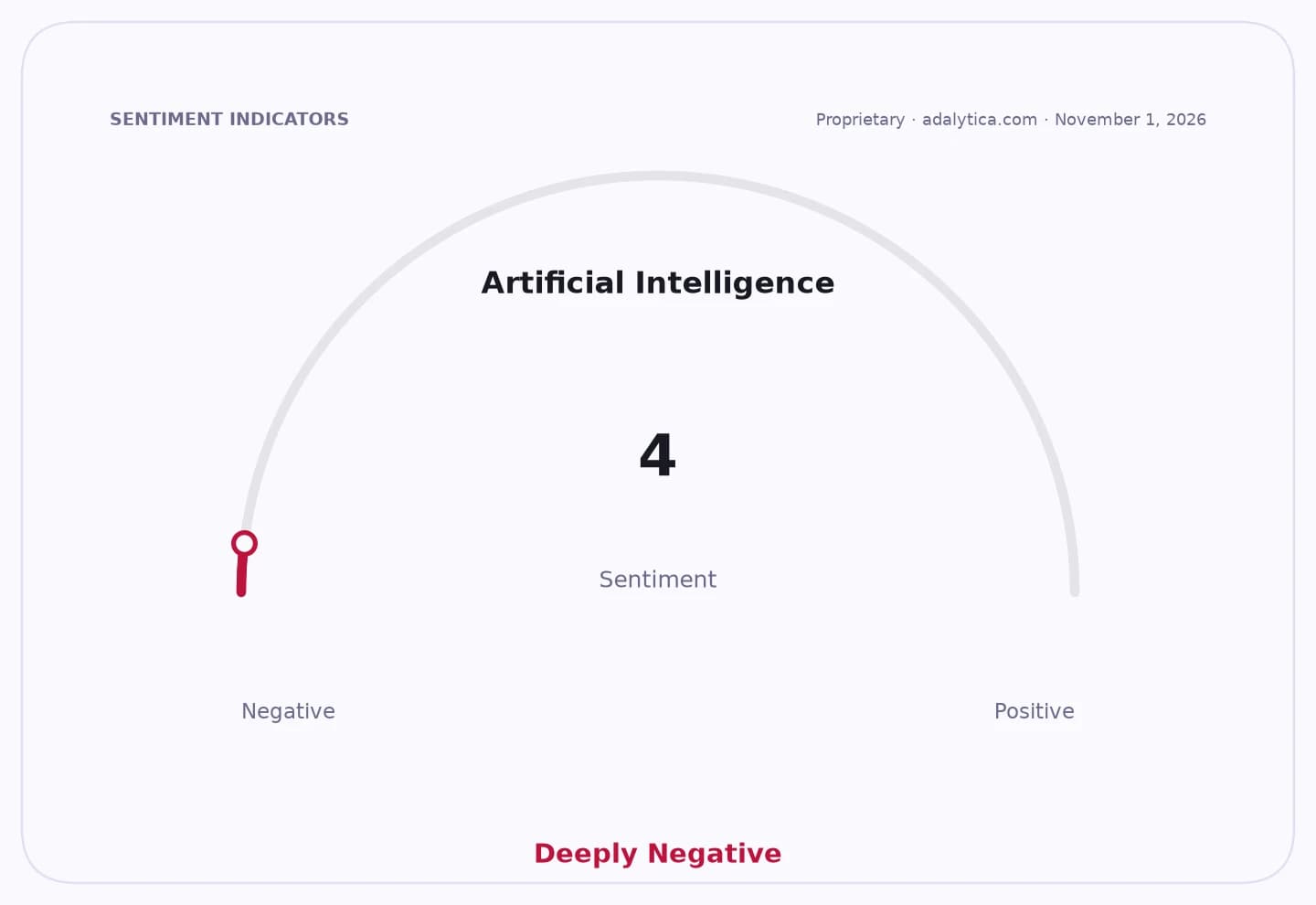
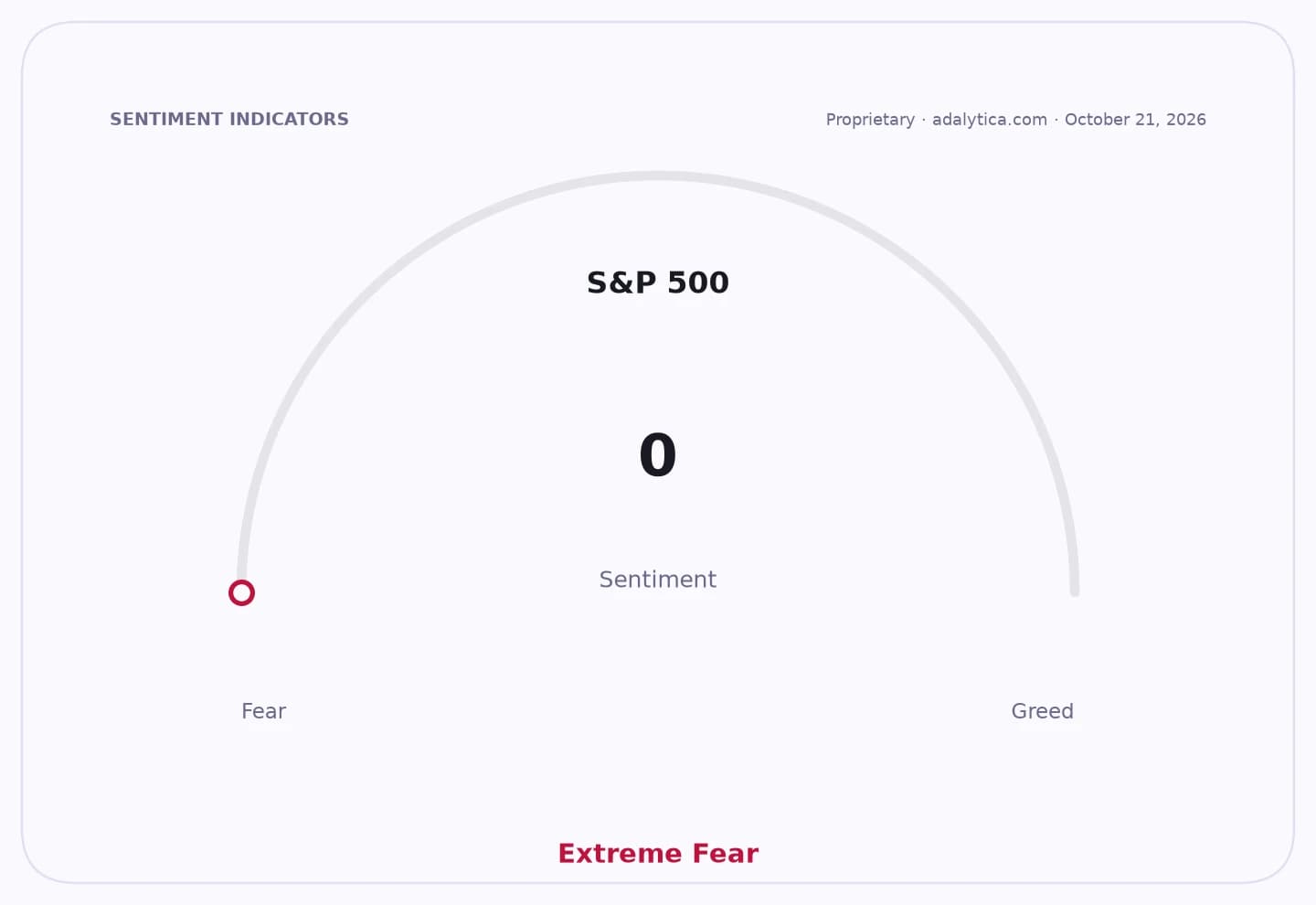
Sentiment Indicators
TypeSafe AI, the U.S. startup behind Jev, said interest spiked after it unveiled the model in September, to the point that it temporarily paused new sign-ups. The appeal is straightforward. Where top general-purpose models can take 10 to 38 seconds and cost 3 cents to 18 cents per query, TypeSafe says Jev can answer in about 0.4 seconds at just 0.04 cents. In high-volume workflows, that gap is enormous. A company processing tens of thousands of messages a day is not buying a novelty. It is buying a lower bill.
That is why Jev is landing as a hot topic among people who use AI a bit, and why it should matter to long-term investors. The AI economy is entering a second phase. The first phase was about model quality, training scale and GPU bragging rights. The next phase may be about who can strip cost out of everyday inference and embed AI where it quietly saves money. That shift is especially important for enterprises, small businesses and government agencies trying to control spending while still adopting AI. The current wave of enterprise products, from model-selection tools to AI spending monitors, points in the same direction: practicality is becoming the real selling point.
For Nvidia and other infrastructure names, that does not automatically mean weaker demand. In fact, broader AI adoption can still support chip spending over time. But it does suggest investors should watch where value accrues in the stack. If software can solve routine tasks with lighter, cheaper models, the premium may migrate from brute-force inference to orchestration, workflow integration and specialized applications. That could widen the gap between companies that merely sell access to compute and those that make AI indispensable inside a business process.
There is also a policy angle. Korea’s push for sovereign AI has focused heavily on building stronger models, but Jev’s popularity is a reminder that competitive advantage may also come from finding the gaps frontier models leave behind. For countries and companies alike, the opportunity is not only to build the biggest AI system, but to build the most efficient one for the task at hand.
Investors should treat Jev as more than a curiosity. It is a sign that the market is maturing. As AI moves from experimentation to deployment, the winners may be the businesses that can do more with less. For patient investors, that is a durable theme worth watching.
| Entity | Gains | Losses |
|---|---|---|
| TypeSafe AI | ▲Attention and sign-ups | ▼Small rivals chasing headlines |
| Enterprise AI users | ▲Lower costs, faster workflows | ▼Overpaying for oversized models |
| Nvidia | ▲Wider AI adoption over time | ▼Some demand for heavy inference may be diluted |
| Frontier-model leaders | ▲Bigger market for AI overall | ▼Monopoly on “smarter is better” narrative |