Typhoon Bavi has made landfall on China’s east coast after forcing nearly 2 million people to evacuate, putting the world’s second-largest economy on alert for fresh disruption to transport, industry and energy supply chains.
Typhoon Bavi Disrupts China Supply Chains
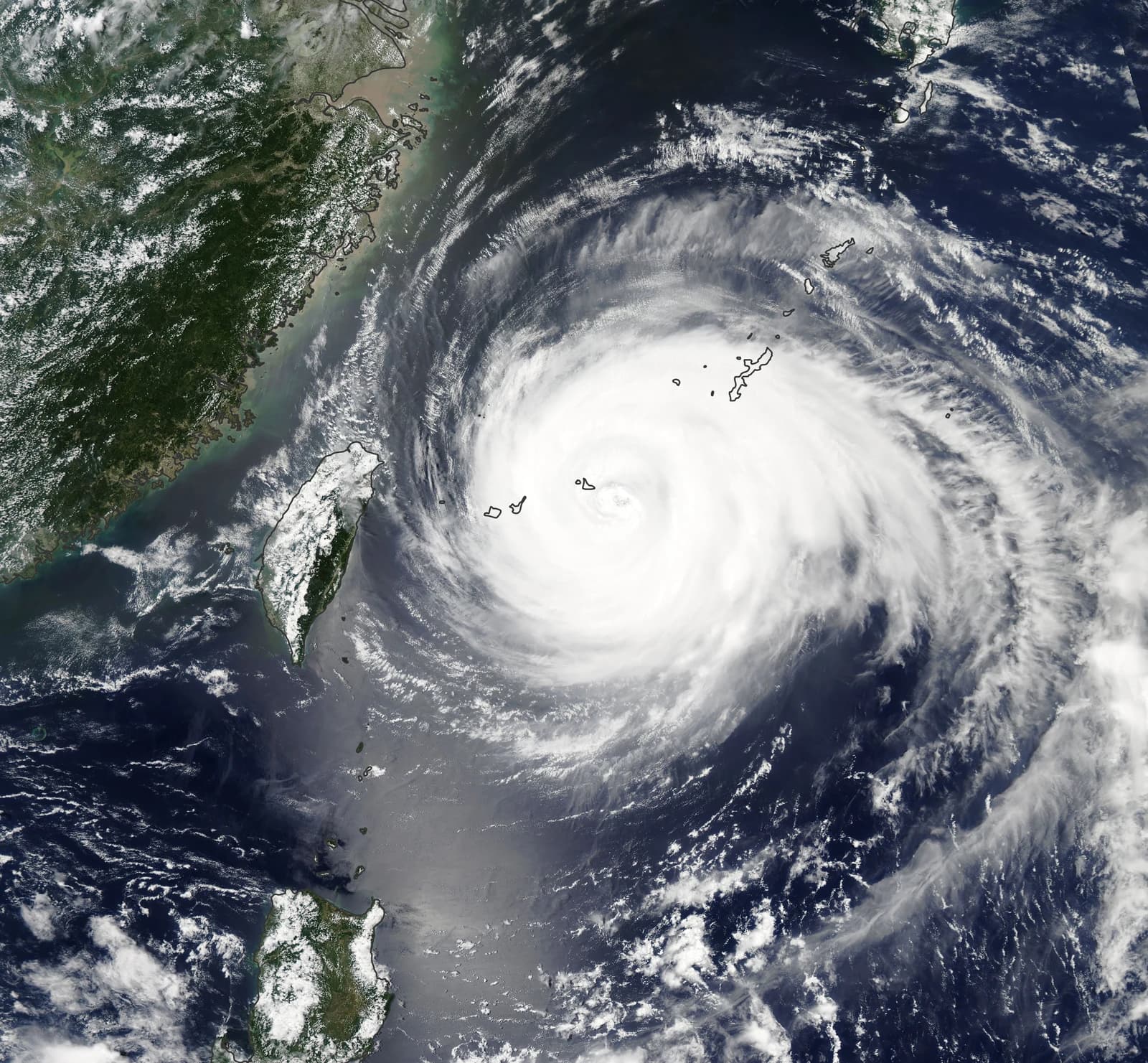
The storm, which weakened from a super typhoon before striking near Yuhuan in Zhejiang province, threatens one of China’s most economically important coastal corridors. Heavy rain and strong winds can shut ports, slow factory output and crimp logistics across the Yangtze River Delta, a manufacturing and export hub that feeds domestic and global supply chains.
Sentiment Indicators
Global Stability
Authorities have moved large-scale evacuations and disaster-prevention measures to limit casualties and property damage, but the scale of the displacement shows how exposed eastern China remains to extreme weather. The storm has already prompted transportation cancellations, while offshore oil operations were halted as a precaution, adding a near-term hit to activity in energy and shipping.
The economic impact is usually concentrated in the immediate path of the storm, but the broader market relevance comes from the possible knock-on effects: delayed cargo, temporary plant stoppages, pressure on insurers and higher volatility in sectors tied to Chinese industrial production. For investors, the event is another reminder that weather shocks can briefly interrupt the region’s supply chain engine even when longer-term demand trends are unchanged.
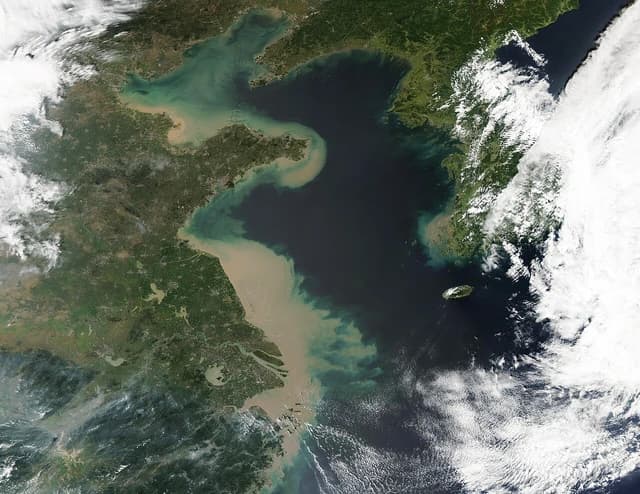
The backdrop is already fragile. Adalytica’s Global Stability Sentiment gauge shows extreme fear, while its US–China Relations Sentiment remains at extreme fear as well, underscoring a risk-off tone that can amplify reactions to disruptions in China. Any update on damage assessments, port reopening schedules or further evacuations will help determine whether Bavi is a short-lived disturbance or a broader drag on regional activity.
| Entity | Gains | Losses |
|---|---|---|
| Chinese authorities | ▲lower casualty risk | ▼emergency-response burden |
| Evacuated residents | ▲safety from storm surge | ▼displacement and disruption |
| Ports and factories outside path | ▲eventual rerouting demand | ▼short-term supply bottlenecks |
| Offshore energy operators | ▲reduced accident risk | ▼halted production |