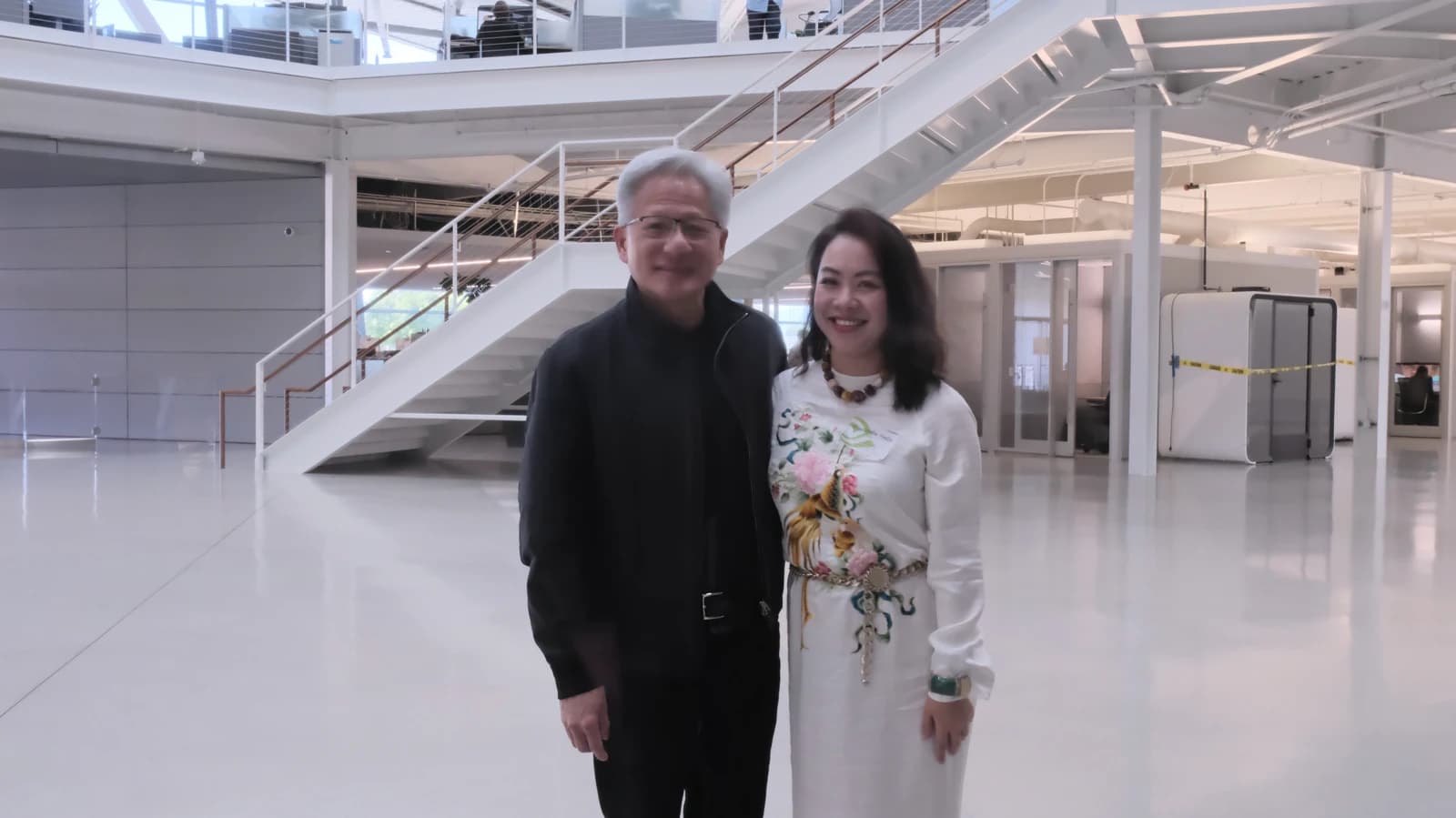
Typhoon Bavi’s downgrade to a tropical storm does not make it a non-event for investors: the real story is the scale of the disruption, with nearly two million people evacuated and offshore work halted as China’s eastern coast braces for flooding, transport delays and possible damage to supply chains.
Typhoon Bavi Highlights China Resilience Trade
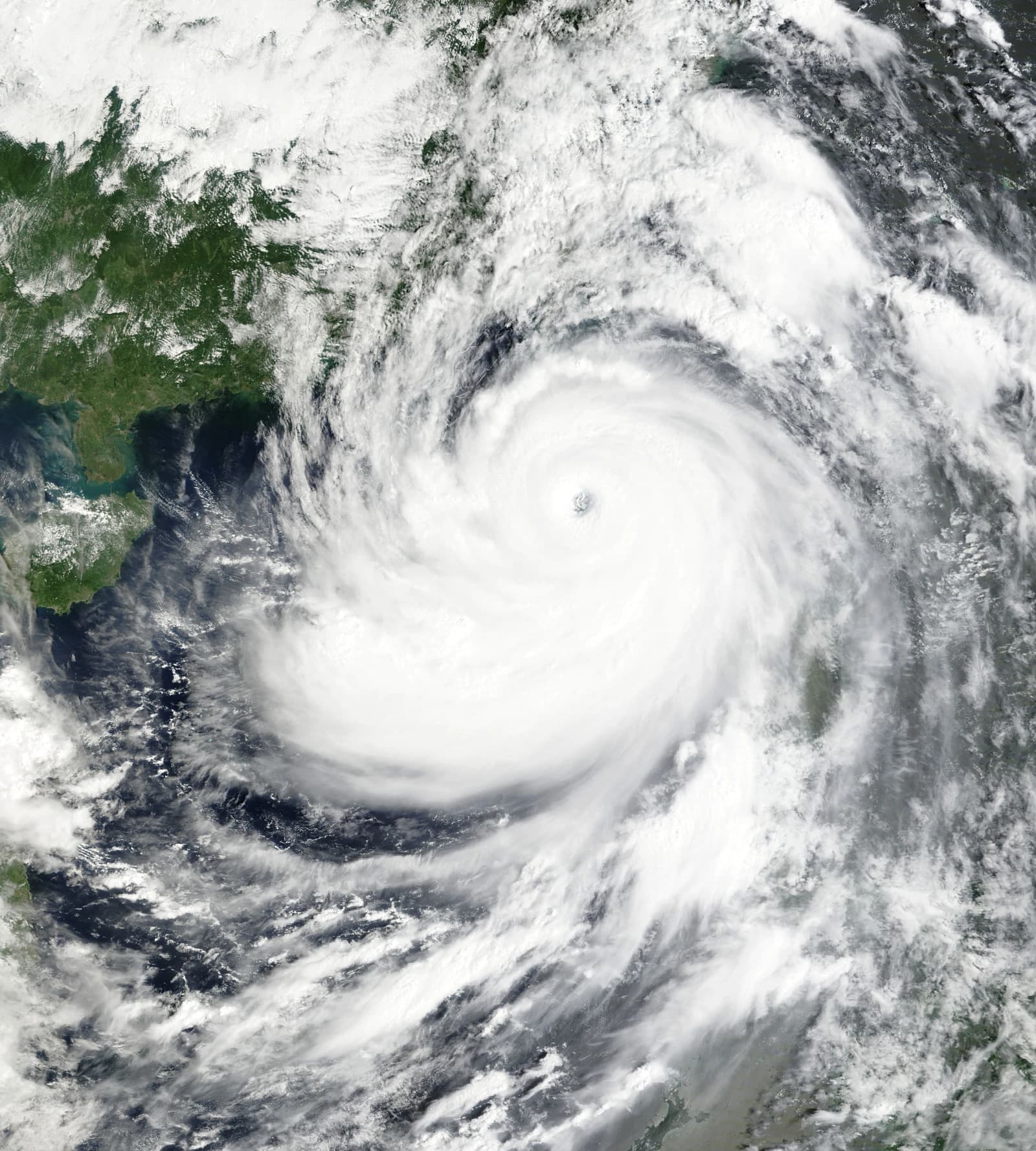
That matters economically because China’s growth engine still runs through heavily exposed coastal provinces, where ports, factories, energy assets and logistics corridors are clustered close to the shoreline. Even when a storm weakens, the economic drag can persist for days through shutdowns, delayed shipments, precautionary closures and cleanup costs. In a year when Beijing is already trying to stabilize domestic demand and protect industrial output, a broad weather shock is another reminder that physical infrastructure risk is now part of the macro equation.
Sentiment Indicators
For investors, the immediate takeaway is not to panic about one storm, but to recognize where the market is underpricing resilience. The biggest beneficiaries of repeated climate and disaster stress are the companies and sectors that can sell protection, redundancy and recovery: grid hardening, flood control, emergency communications, insurance, construction materials and logistics rerouting. The losers are the businesses with tight inventories, coastal concentration and thin margins that cannot easily absorb even a short production pause.
That is especially relevant in China-related assets, where sentiment is already fragile. The Adalytica US–China Relations Sentiment gauge sits in extreme fear, and the global stability snapshot is also flashing extreme fear, showing how quickly geopolitics and physical risk can reinforce each other. The market may read Bavi as a temporary weather event, but the larger message is that China’s investment case increasingly depends on who owns the toll roads, not just who drives on them.
The technical backdrop underscores that caution. Both the KWEB China internet ETF and the FXI China large-cap ETF remain well below their 200-day moving averages, signaling that investors are still demanding a risk premium for China exposure. KWEB has been especially volatile, while FXI’s recent price action suggests a market that is willing to trade rebounds but not yet commit to a durable rerating. In that setting, storm-related disruption can easily hit already fragile sentiment.
Our thesis is that the smarter trade is to own resilience rather than cyclicality. If severe weather becomes a recurring feature rather than an exception, the long-term winners are not the companies taking the most direct hit from the storm, but the firms enabling China to function through it: infrastructure, utilities, industrial automation, disaster-response systems and select insurers. For investors willing to look past the headline, Bavi is another data point in a bigger secular story — the premium on resilience is rising, and the market is only beginning to price it in.
| Entity | Gains | Losses |
|---|---|---|
| Resilience and infrastructure stocks | ▲Higher demand for hardening | ▼ |
| Insurers and risk managers | ▲Pricing power on weather risk | ▼Greater claims exposure |
| Coastal manufacturers and exporters | ▲ | ▼Shutdowns, delays, cleanup costs |
| China equity ETFs like FXI and KWEB | ▲Event-driven trading opportunities | ▼Fragile sentiment, risk-off flows |