A broad dollar slide is feeding expectations among industrial firms that the U.S. currency will keep weakening, a move that could reshape import costs, margins and pricing across manufacturing and other raw-material-heavy businesses.
U.S. Dollar Slides; UUP Falls to 28.07
For industrialists, the logic is straightforward: if up to 90% of raw materials are imported, a softer dollar directly raises local-currency costs for inputs ranging from metals and chemicals to energy-linked feedstocks. That can squeeze margins for companies that cannot pass on higher costs quickly, while giving a competitive edge to exporters and firms with foreign-currency revenue.
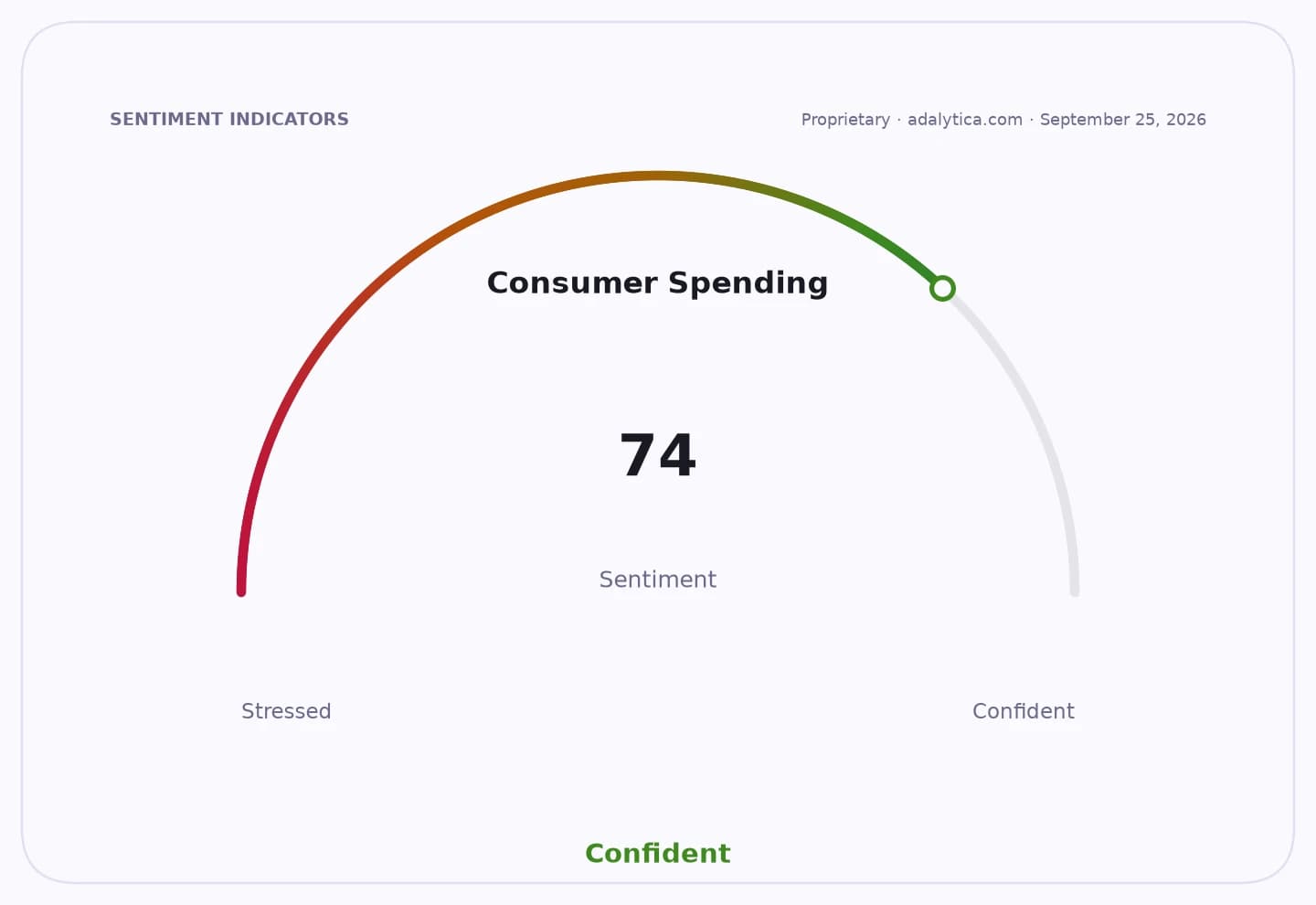
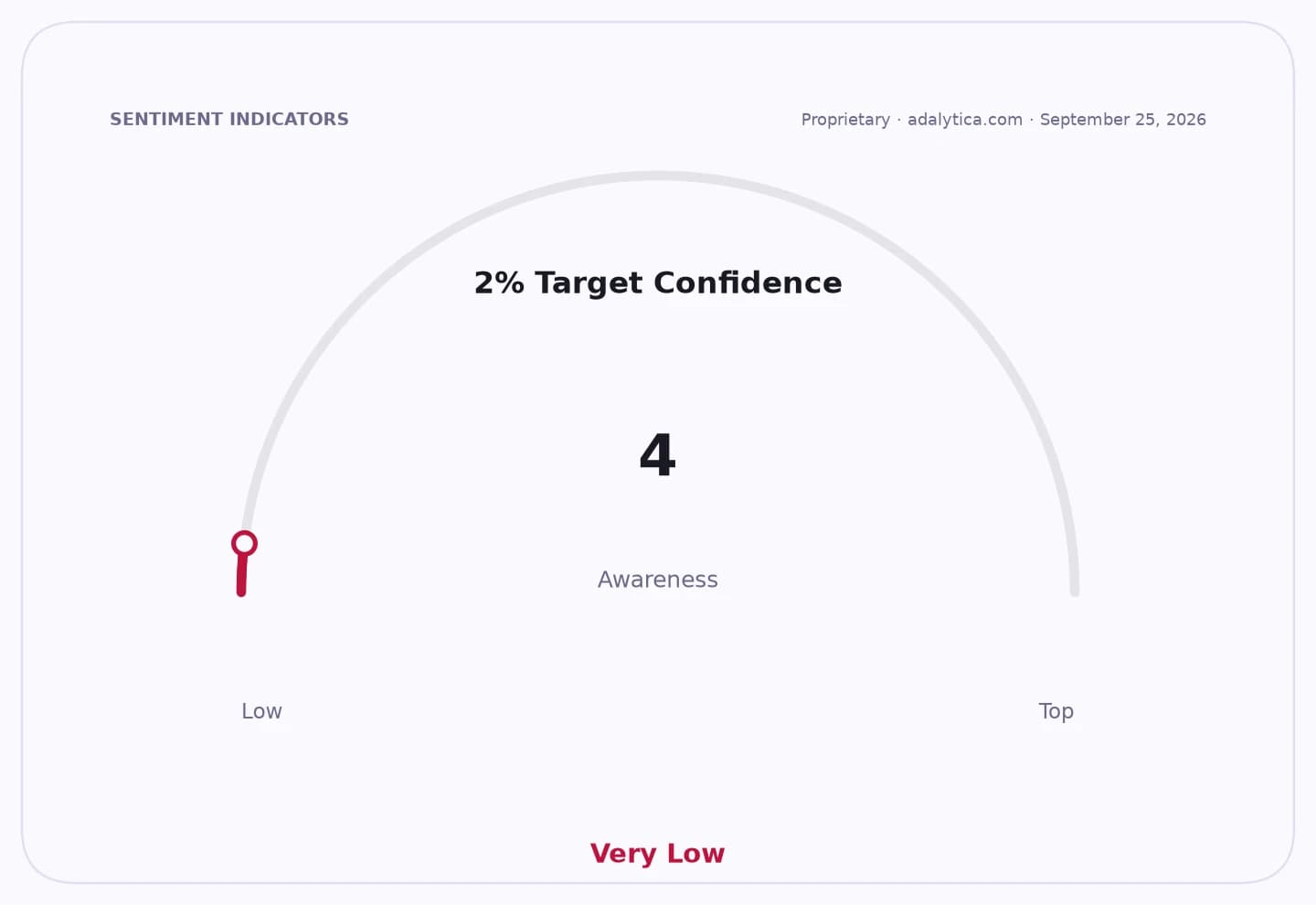
Sentiment IndicatorsⓘProprietary · adalytica.com · August 8, 2026
This is a snapshot — live sentiment, awareness and momentum for 130+ markets update continuously in the dashboard.Open AlphaPulse
The backdrop is a sharper dollar retreat in global foreign exchange markets, with the yen rising to 156 per dollar as investors sold the greenback on a weakening U.S. labor outlook. The euro has also held its ground, while gold has climbed as the currency fell. In parallel, the Adalytica long-term inflation expectations gauge has jumped to 86, in “Extreme Greed,” suggesting markets are increasingly pricing in the inflationary consequences of a weaker dollar and higher import costs.
That matters economically because a sustained decline in the dollar can complicate the inflation picture at a time when domestic demand and employment data are already under scrutiny. A weaker currency tends to support imported inflation, especially in economies that rely heavily on foreign raw materials. For industrial users, the hit can arrive quickly through procurement costs, even if final consumer prices adjust more slowly.
The market implication is that the dollar’s path is becoming a key variable for earnings, not just for macro traders. UUP, which tracks the dollar, has slipped to about 28.07 from a recent high of 28.50 in mid-July, while its 50-day average sits above the latest close, a sign of near-term softness. RSI readings in the mid-30s point to a weakened but not yet oversold tape, and momentum has turned negative as the ETF hovers near the lower end of its recent Bollinger Band range. By contrast, FXA, which tracks the Australian dollar, has held near 69.98, reflecting how commodity currencies can benefit when the U.S. unit loses ground.
For investors, the key question is not just whether the dollar keeps falling, but how far and how fast. A gradual decline would likely favor exporters, commodity producers and multinational firms with overseas earnings, while pressuring import-dependent manufacturers and firms with thin pricing power. A sharper drop would increase the odds of margin compression, imported inflation and volatility across rates, commodities and equities.
The bull case for dollar bears is that weak U.S. employment data and policy uncertainty continue to undermine the currency, keeping upward pressure on imported costs and gold. The bear case is that much of the move is already crowded, and any improvement in U.S. labor data or a shift in central bank expectations could stabilize the dollar and ease cost pressures for industry. For now, the market is treating the dollar’s decline less as a one-day swing than as a cost shock with real implications for corporate earnings and inflation.
| Entity | Gains | Losses |
|---|---|---|
| Exporters | ▲More competitive pricing | ▼Higher input volatility |
| Import-dependent industrials | ▲None | ▼Higher raw-material costs |
| Dollar bears | ▲FX gains | ▼Short-covering risk |
| Gold and commodity assets | ▲Stronger demand | ▼Slower upside if dollar rebounds |