The National Treasury’s support for demand is helping keep U.S. debt markets orderly even as long-dated yields edge lower and investors lean back into risk assets, underscoring how sensitive rates and equities remain to official backing for financing conditions.
U.S. Treasury Yields Fall to 4.61% on July 28
The 10-year Treasury yield slipped to 4.61% on July 28 from 4.69% on July 24, according to the data provided, while the federal funds rate is sitting at 3.63%, a gap that leaves borrowing costs elevated but no longer tightening. That combination matters for the broader economy because it helps determine mortgage rates, corporate funding costs and the price of capital across the market.
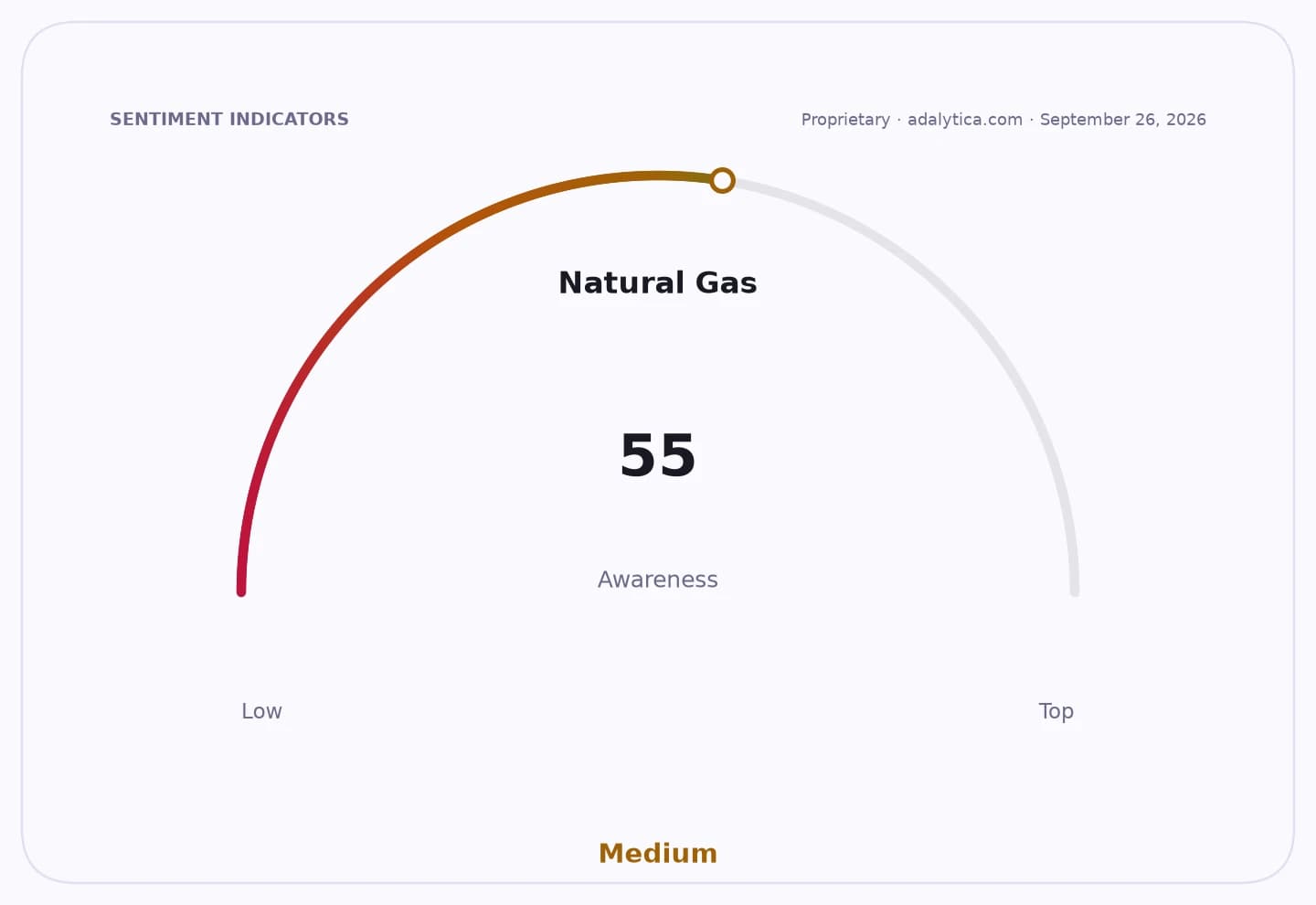
Sentiment IndicatorsⓘProprietary · adalytica.com · July 30, 2026
This is a snapshot — live sentiment, awareness and momentum for 130+ markets update continuously in the dashboard.Open AlphaPulse
The move has also filtered through to bond ETFs. The iShares 20+ Year Treasury Bond ETF, TLT, rose to 84.24 on July 28 before easing to 82.85 on July 29, with volume jumping to 41.3 million shares, suggesting investors are actively positioning around the direction of yields rather than sitting on the sidelines.
Risk assets remain supported but more volatile. The SPDR S&P 500 ETF Trust, SPY, fell to 729.46 on July 29 after closing at 740.86 a day earlier, even as Adalytica’s S&P 500 Trade Signals show sentiment at 59, or neutral, and awareness at 93, labeled extreme greed. That mix points to a market still willing to buy dips, but with positioning stretched and quick reversals likely if rates move against it.
FEDFUNDS vs DGS10 — macro contextadalytica.com
Explore this data interactively — full history, time series and cross-market comparisons.Open AlphaPulse
Credit conditions are not flashing stress, yet the market is watching closely. The high-yield option-adjusted spread sat at 2.84 on July 28 and was seen at 2.886 in the latest forecast, levels that suggest financing is still open but investors are not being paid much extra to take risk. That leaves Treasury demand support economically important because it helps prevent a sharper tightening in credit that would hit lenders, borrowers and cyclical stocks first.
The dollar is weakening sharply in the backdrop, with the USD fund falling to 68.78 on July 29 from 104.26 on June 30, while Adalytica’s dollar sentiment sits at 4, or extreme fear. A softer dollar can ease financial conditions and support commodities and multinationals, but it also reflects a market that is increasingly positioning for lower U.S. rate pressure ahead.
For investors, the immediate question is whether the Treasury bid holds. If support persists, it helps keep duration assets stable and limits downside for rate-sensitive sectors; if demand fades, yields could back up again quickly, pressuring equities, housing and credit spreads. The next catalyst is the July 29 Treasury pricing and the market’s read-through on whether official support is enough to keep funding conditions calm.
| Entity | Gains | Losses |
|---|---|---|
| U.S. Treasury buyers | ▲More stable bond prices | ▼Lower yield pickup |
| Borrowers and rate-sensitive sectors | ▲Easier funding conditions | ▼Less urgency for defensive positioning |
| Equity investors | ▲Support for risk appetite | ▼Volatility if yields reverse |
| Dollar bulls | ▲ | ▼A weaker U.S. dollar |