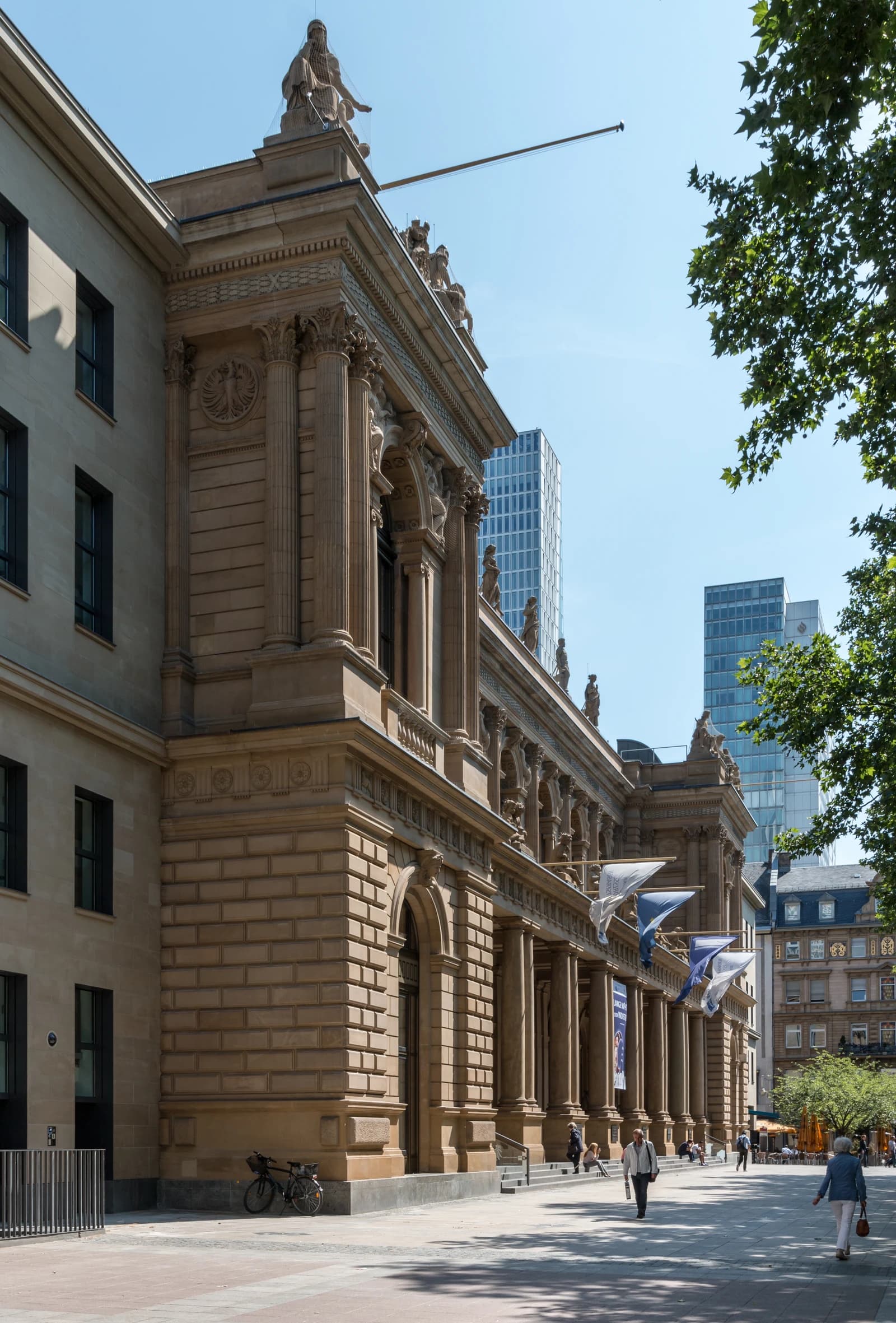
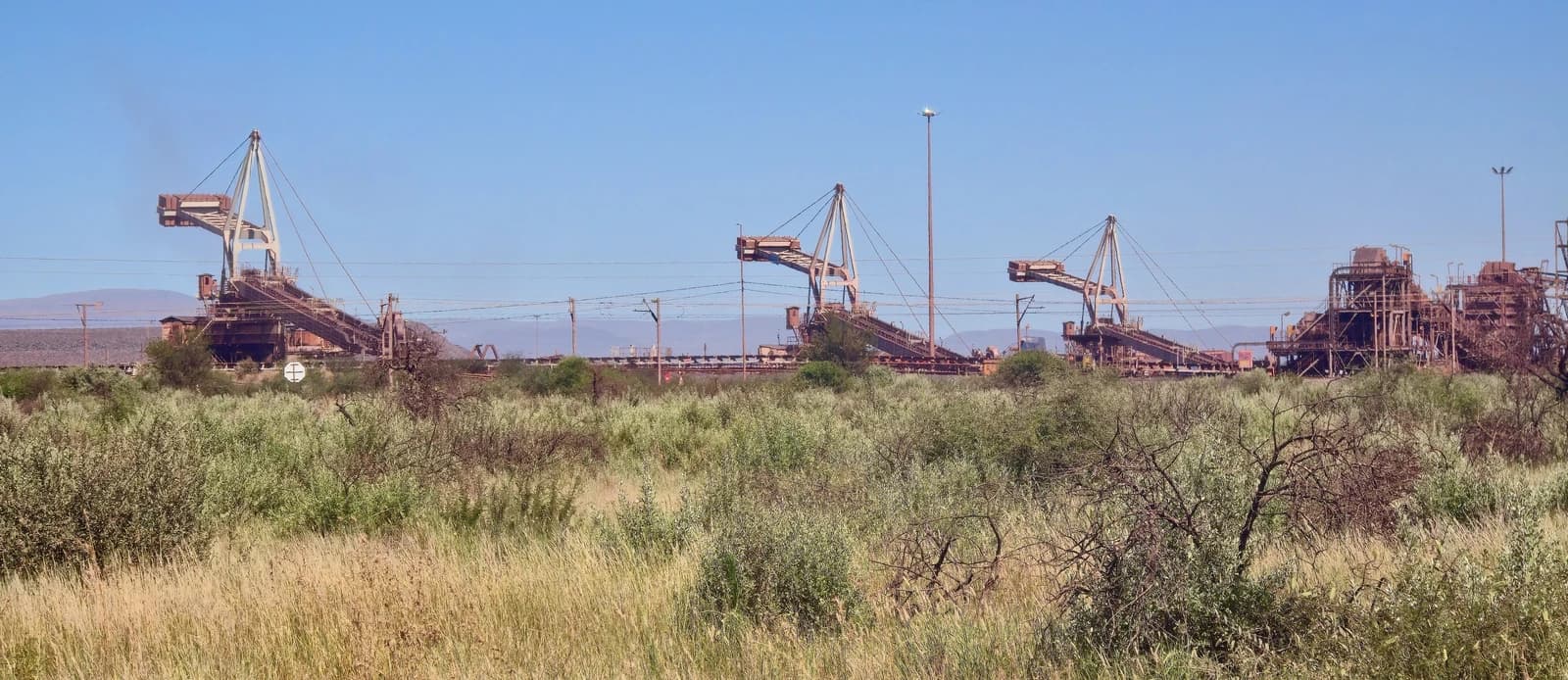
The planned shutdown of the Ueckermünde iron foundry at the end of 2026 is another sign that Europe’s heavy industry is still being forced to shrink, consolidate and modernize faster than many local communities can absorb.
Ueckermünde iron foundry closure at end of 2026
That matters because foundries sit at the base of the manufacturing chain. When one closes, the effect is not just a few lost jobs in one town: it can ripple through suppliers, transport firms, machine shops and regional customers that rely on domestic castings. For investors, it is a reminder that the winners in this cycle are not the oldest plants, but the companies with scale, lower energy intensity, stronger balance sheets and the capital to automate.
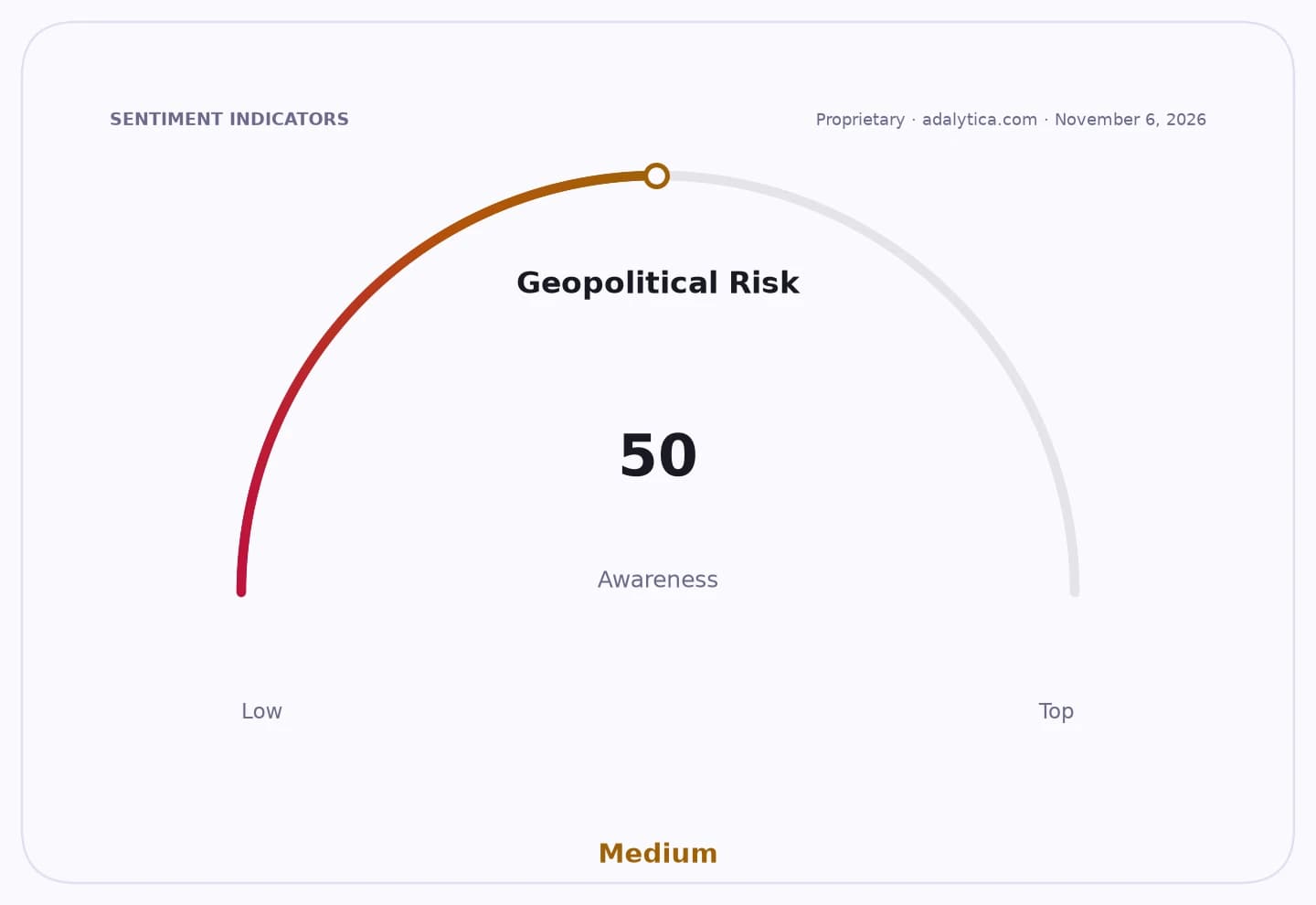
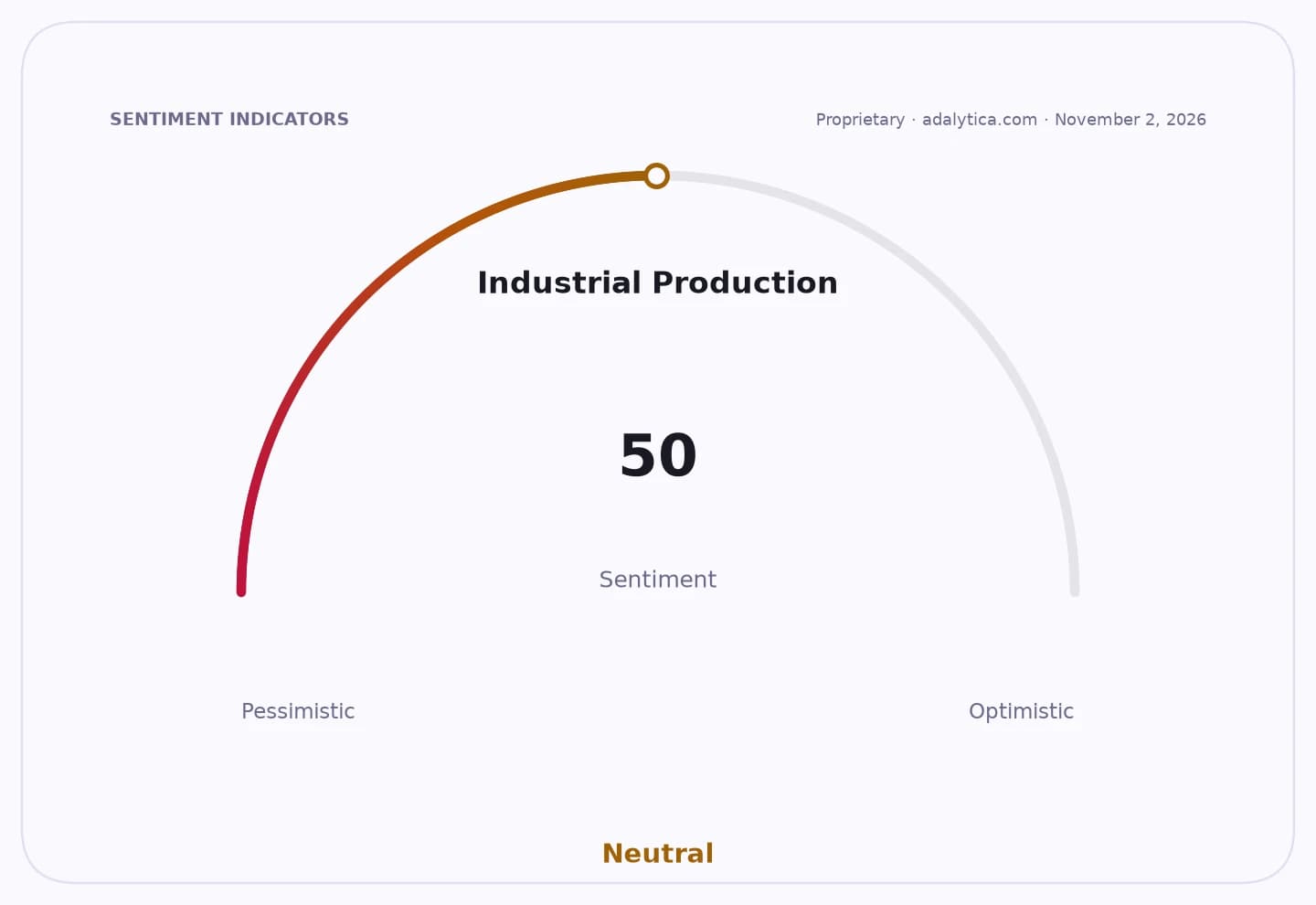
Sentiment Indicators
The closure also fits a broader European industrial pattern. High energy costs, tighter environmental standards and weak demand in parts of manufacturing have made marginal plants increasingly uneconomic. Even as markets have looked past some of those pressures in recent months, the underlying reality remains that older asset bases are harder to defend when margins compress and replacement investment is delayed.
In the metals and steel complex, that creates a split. Better-capitalized producers and distributors can pick up share as less efficient capacity disappears, while regional facilities with limited pricing power are left exposed. The move may also support pricing discipline over time if enough capacity exits the system, but it is not a painless adjustment — it usually comes with lower local output before any industry-wide benefit shows up.
For long-term investors, the lesson is simple: structural change in industrials rarely happens cleanly, but it does create durable leaders. Companies tied to modernization, electrification, automation and more efficient metal production are better positioned than legacy plants fighting rising costs with old equipment. The Ueckermünde closure is worth watching as one more data point in a sector where survival increasingly depends on scale, efficiency and capital discipline.
| Entity | Gains | Losses |
|---|---|---|
| Efficient steel and metals producers | ▲Share gains, better pricing | ▼Fewer weak competitors |
| Regional suppliers and workers | ▲— | ▼Lost orders, lost jobs |
| Customers buying from modern plants | ▲More reliable supply | ▼Less local sourcing |
| Legacy foundries with high costs | ▲— | ▼Closure pressure |