Universidade Estadual do Piauí’s Math Week is spotlighting a bigger question for education: how to use artificial intelligence to improve teaching without weakening the human skills that mathematics is meant to build.
Uespi Math Week Discusses AI in Education
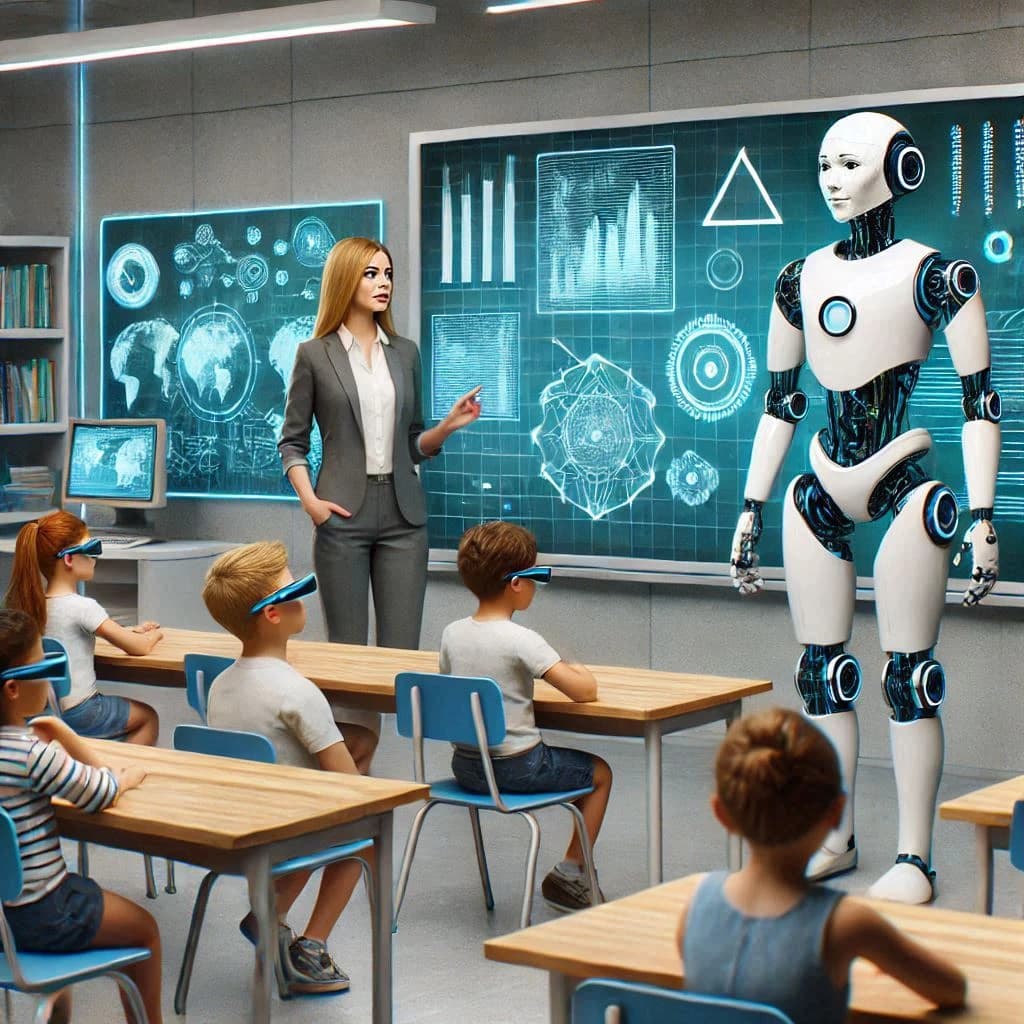
The event, which runs through Thursday in Teresina, has drawn professors, researchers and students into debates on AI-assisted problem solving, digital teaching materials and the limits of new technologies in learning. That matters well beyond a university calendar item because schools and universities across Brazil are being forced to decide how quickly to adopt AI tools in classrooms where academic integrity, critical thinking and teacher-led instruction remain central.
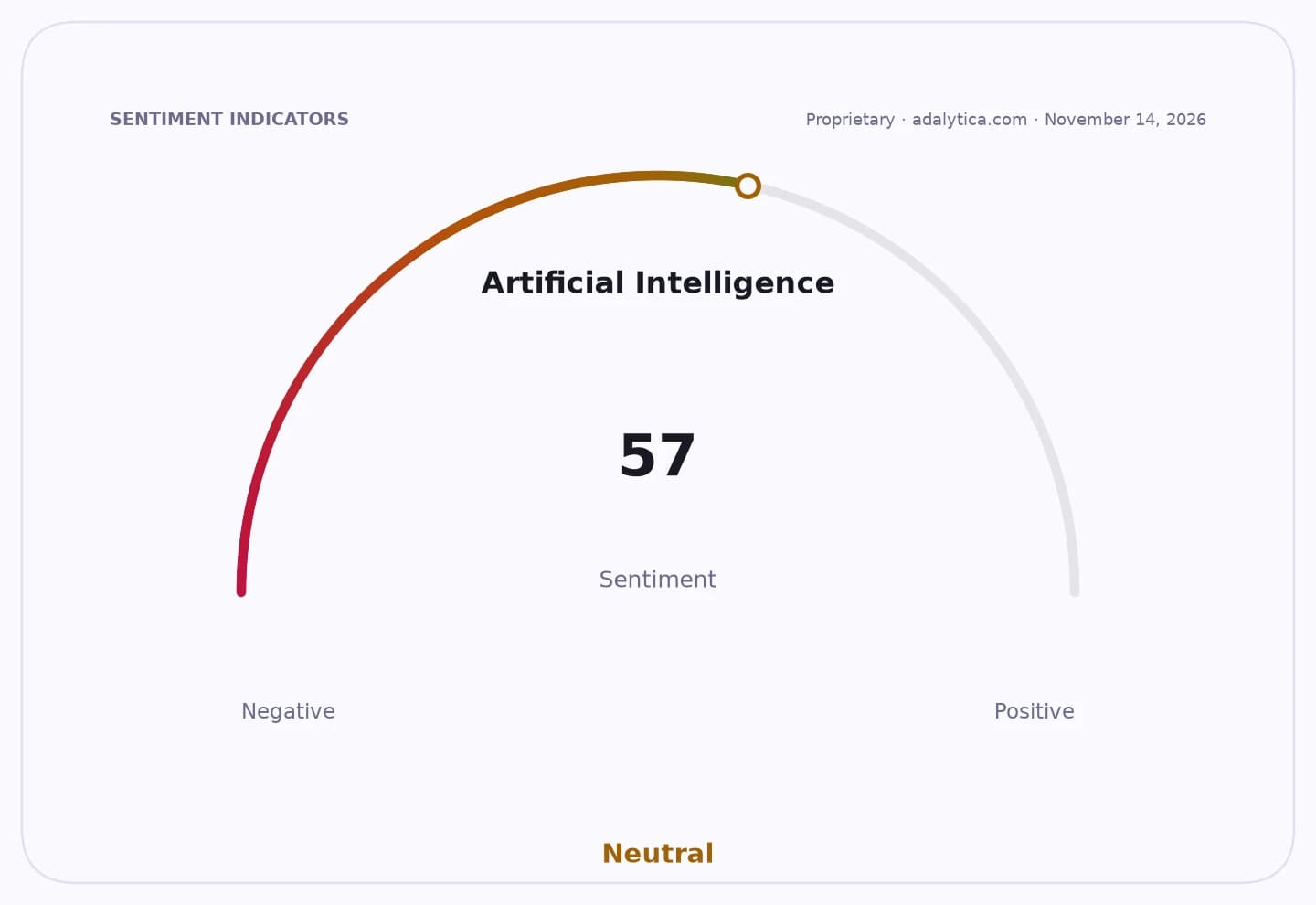
Sentiment Indicators
The conference theme — “Conexões Inteligentes: A Matemática na Era da IA e das Novas Tecnologias de Ensino” — reflects a growing tension in education systems worldwide. AI can speed up routine tasks, generate explanations and support pattern recognition, but it can also encourage dependency, blur authorship and make it harder to assess whether students understand core concepts. For policymakers and educators, the issue is no longer whether AI will enter the classroom, but how to shape rules around its use.
At Uespi, that debate is being framed as both practical and pedagogical. Organizers said the program includes lectures, short courses, workshops and a science and technology fair, with the goal of reinforcing logical reasoning and critical thinking alongside technological literacy. The emphasis suggests universities are trying to position AI as a supplement to math education rather than a substitute for it.
That balance is increasingly important as machine-learning tools become embedded in academic work. A lecture on support vector machines, one of the foundational techniques in machine learning, underscored how mathematics underpins AI systems used in image recognition and pattern detection. The example of analyzing medical images for possible cancerous lesions shows why the field is economically relevant: better models can improve productivity, speed diagnostics and expand the use of data-driven tools across industries from health care to manufacturing.
For investors, the educational debate also has a market angle. AI adoption depends on a pipeline of mathematically trained workers, software users and researchers who can build, audit and regulate these systems. Universities that integrate AI responsibly may help expand that talent base. At the same time, heightened concern over misuse — from cheating in exams to overreliance on automated answers — underscores a broader reputational and regulatory risk for the sector, especially as schools search for guardrails.
The market backdrop remains dominated by large AI beneficiaries such as Nvidia and Microsoft, whose valuations have been tied to the spread of machine learning across the economy. But the longer-term investment case for those companies depends in part on whether institutions keep producing skilled users and developers who can translate AI infrastructure into real-world applications. If education systems fail to adapt, the commercial promise of AI could run into a skills bottleneck.
For now, Uespi’s Math Week points to a more nuanced reality: AI is becoming a core part of mathematics education, but the institutions teaching it are also trying to defend the discipline’s traditional role in reasoning, evidence and judgment. That tension will shape classrooms first, and labor markets and technology adoption rates later.
| Entity | Gains | Losses |
|---|---|---|
| Uespi and educators | ▲Modernized teaching agenda | ▼Less control if AI is misused |
| Students and researchers | ▲Access to new tools and methods | ▼Risk of weaker core skills |
| AI firms and software vendors | ▲Broader classroom adoption | ▼Scrutiny over misuse and ethics |
| Traditional exam systems | ▲N/A | ▼Greater pressure from AI-enabled cheating |