UK consumer price inflation is expected to have accelerated for a fourth straight month in October, underscoring how higher energy bills and tax changes are keeping price pressure alive just as the Bank of England warns it is still years away from hitting target.
UK inflation seen rising to 3.6% in October
Most forecasters see the Consumer Prices Index rising to 3.6% from 3.5% in September, according to a Pantheon Macroeconomics consensus, which would match the highest reading since October last year. The Office for National Statistics publishes the official figure on Wednesday.
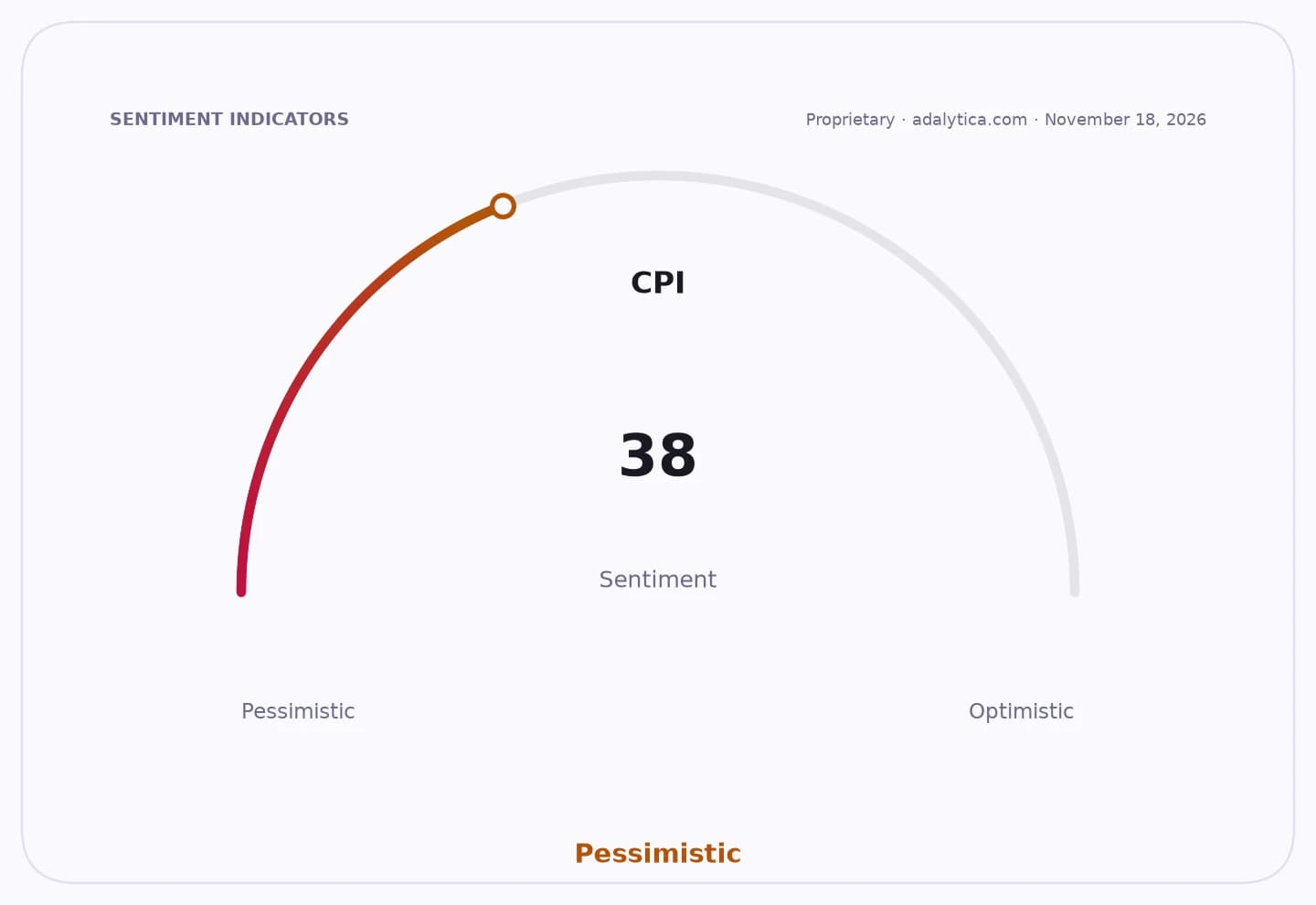
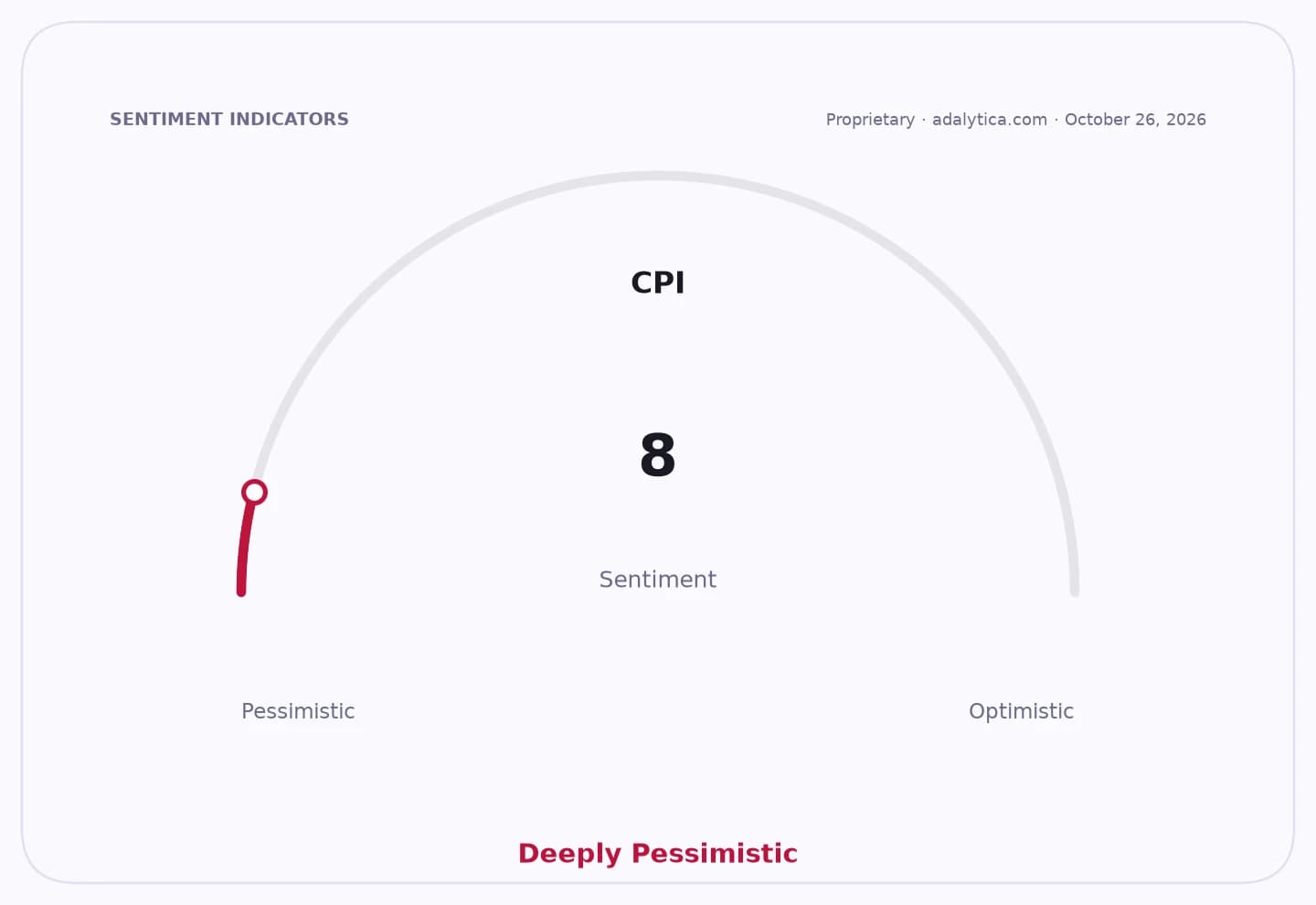
Sentiment Indicators
The expected increase matters because it pushes inflation further from the Bank of England’s 2% target at a time when the central bank has already said inflation is unlikely to return there until the third quarter of 2028. Policymakers last month kept rates at 4% and said inflation was likely to climb further before peaking at around 5% next year, leaving households and rate-sensitive markets facing a longer stretch of restrictive policy.
Economists say October’s reading should reflect a mix of regulated and tax-driven price rises rather than a broad-based demand surge. Ofgem raised the quarterly utility price cap by 4% at the start of the month, taking the average annual direct-debit gas and electricity bill in England, Scotland and Wales up by about £60 to £1,723. Tobacco duty increases are also expected to have lifted cigarette prices sharply, while higher motor fuel prices should add to the month’s inflation print.
Pantheon economists Rob Wood and Elliott Jordan-Doak said tobacco duty and fuel hikes should add 21 basis points to CPI, partly offset by weaker food inflation. They estimate tobacco prices jumped 8.3% in October from the previous month after the duty increase, adding about £1.21 to the price of an average pack of 20 cigarettes.
For investors, the implications go beyond the headline inflation rate. A stickier CPI path reduces the odds of early rate cuts, supports gilt yields, and keeps pressure on consumer discretionary spending as higher household energy costs and tobacco taxes sap real incomes. It also reinforces the view that UK inflation is being driven by administered prices and energy shocks, a mix that is harder for the Bank of England to offset quickly without weakening growth.
The next market focus is Wednesday’s ONS release, which will show whether the anticipated 3.6% print lands close to forecasts or surprises even higher and further hardens expectations for a prolonged period of elevated UK borrowing costs.
| Entity | Gains | Losses |
|---|---|---|
| UK energy suppliers | ▲Higher regulated bills | ▼Household affordability |
| UK Treasury | ▲More tobacco tax revenue | ▼Smokers and consumers |
| Bank of England | ▲Little room to ease prematurely | ▼Growth-sensitive borrowers |
| UK households | ▲— | ▼Real incomes and spending power |