AI is making mathematical literacy more valuable, not less, and that matters for productivity, wages and where capital will flow next.
UK maths skills and AI productivity gains
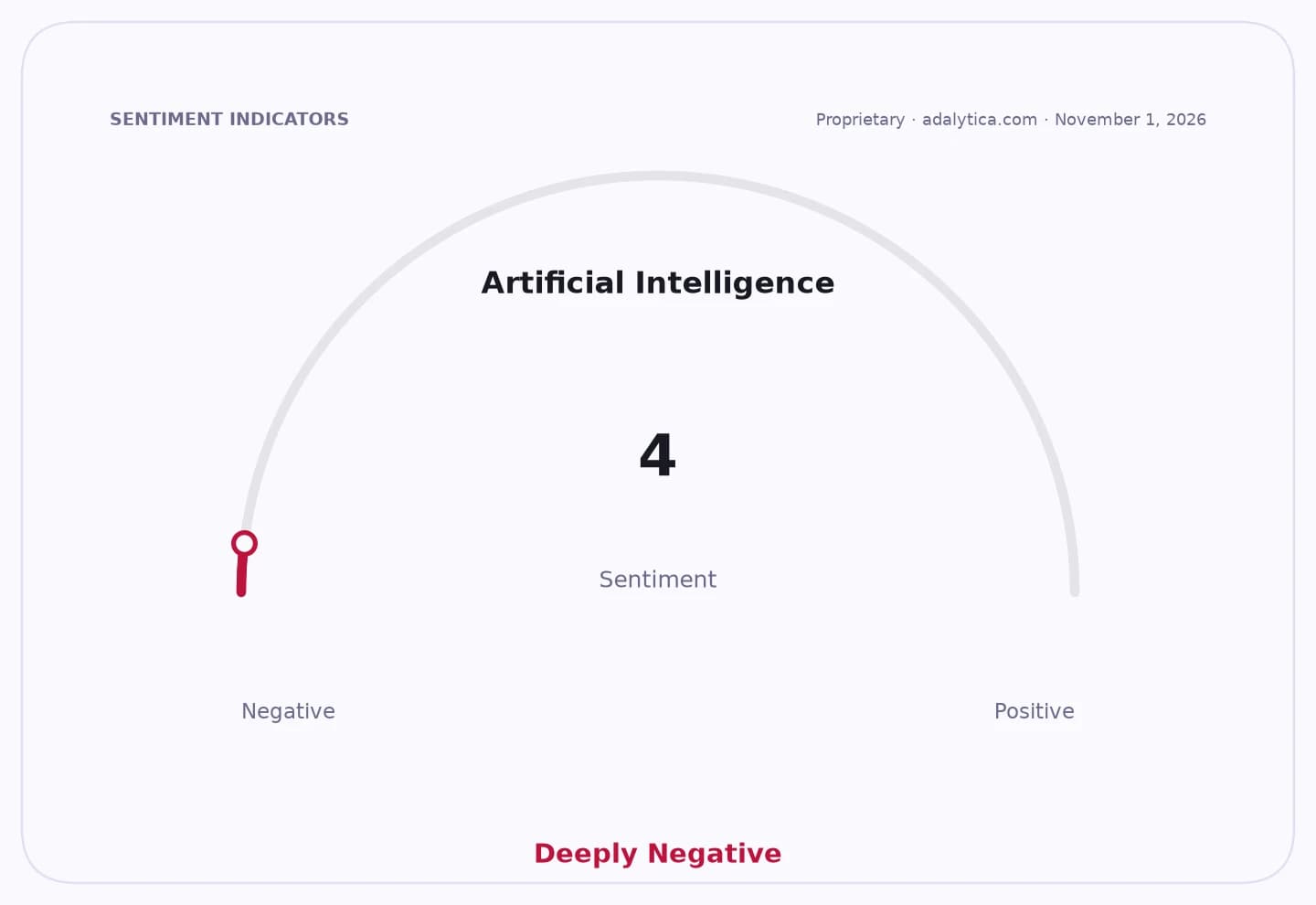
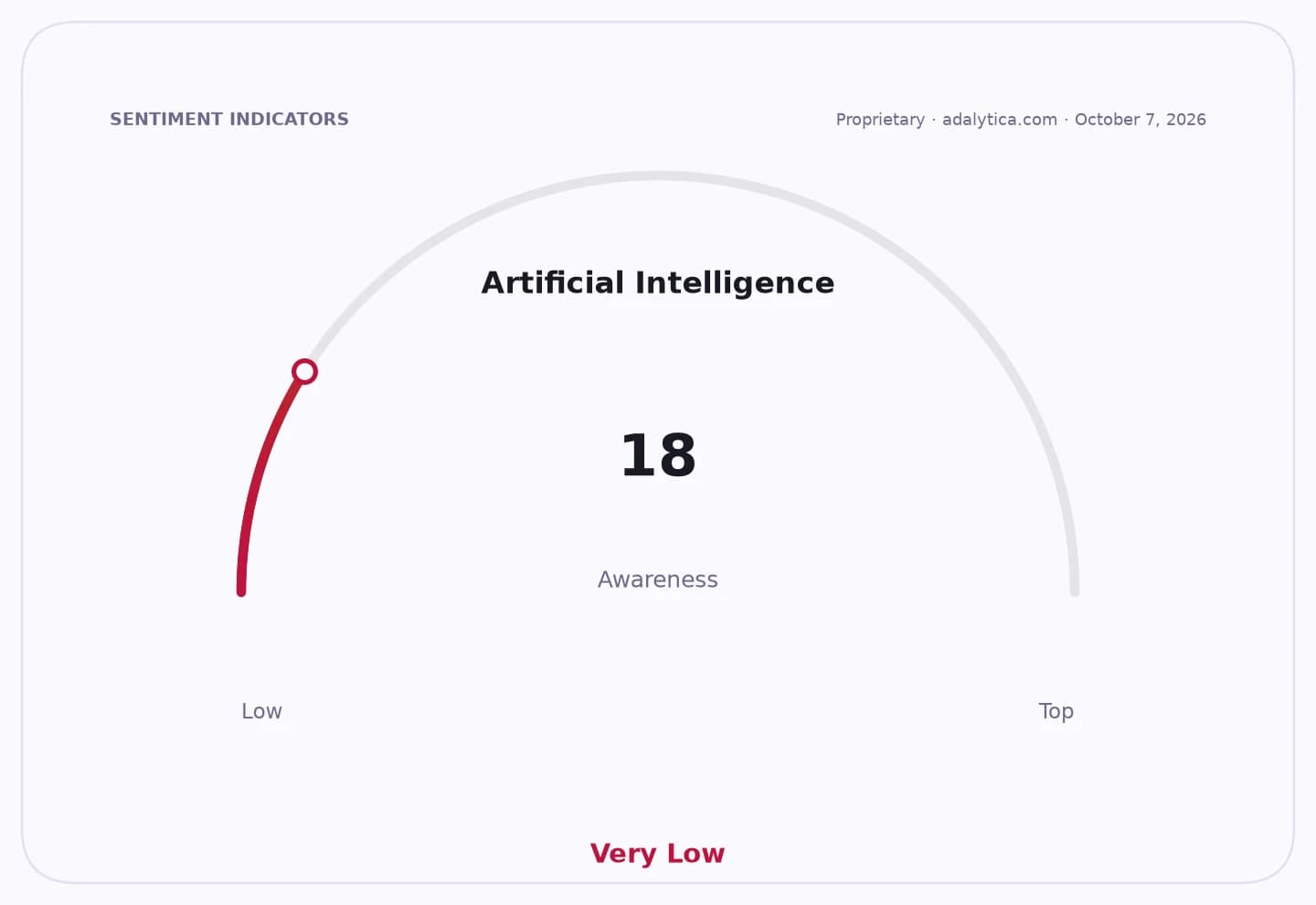
Artificial Intelligence
The core investment point is simple: as artificial intelligence spreads through the economy, the bottleneck is shifting from rote execution to quantitative reasoning, systems thinking and the ability to work with data. That puts maths at the centre of the next productivity cycle, whether the task is training models, deploying AI across businesses, managing supply chains or hardening critical infrastructure. The world’s most valuable technology companies are already betting on that future, and the labour market will have to follow.
Sentiment Indicators
That is why the latest intervention from Britain’s maths community deserves attention. The presidents of the London Mathematical Society and the Institute of Mathematics and its Applications argued that maths should not be squeezed out by softer skills, citing analysis from the Academy for the Mathematical Sciences showing more than 5 million people worked in mathematical-science occupations in 2024, contributing £489bn, or 19% of UK gross value added. In other words, this is not an abstract curriculum debate. It is an argument about the skill set that underpins a fifth of the economy.
For investors, the implication is clear: economies that produce more quantitative talent will be better positioned to capture AI-driven gains in productivity and growth. Those that do not will face a widening skills gap, slower adoption and a heavier bill for retraining. That is especially relevant for the UK, where policymakers are already trying to align curriculum reform with digital skills and critical thinking. If the education system fails to improve maths outcomes, the country risks exporting high-value talent while importing more of the tools and services that talent should have built.
The market is already telegraphing where the value is concentrating. Microsoft shares have climbed to $532.60 from $391.19 in early February, while Nvidia is back at $216 after swinging sharply through the year, showing investors still want exposure to the AI infrastructure layer even after volatile corrections. The conventional technical indicators on both stocks show they remain in extended long-term uptrends, and the Adalytica earnings sentiment reading on Nvidia sits at 96, or “Extreme Greed,” underscoring how much conviction remains around the compute trade.
But the bigger opportunity is not only in the obvious AI leaders. If maths becomes even more vital in the age of AI, the real winners will be the picks-and-shovels businesses that help turn raw intelligence into usable economic output: cloud platforms, semiconductor supply chains, automation software, industrial data tools, testing and certification services, and education technology tied to measurable outcomes. The market tends to price the hardware first and the human capital later. That lag is where the asymmetric upside sits.
The risk, of course, is that policymakers and school systems continue to treat maths as a narrow academic filter rather than a strategic national asset. Our view is the opposite. In an AI economy, maths is not just another subject; it is the entry ticket to the highest-productivity jobs and the most durable corporate earnings growth. Investors should be positioned accordingly, favouring the infrastructure, software and training names that benefit when quantitative skills stop being optional and become essential.
| Entity | Gains | Losses |
|---|---|---|
| AI infrastructure leaders | ▲More demand for compute | ▼Slower enterprise adoption |
| UK math-skilled workers | ▲Higher wage premium | ▼Skills-gap peers |
| Education reformers | ▲Policy urgency | ▼Status quo curriculum |
| Software and data tools | ▲More AI deployment | ▼Low-skill labor models |