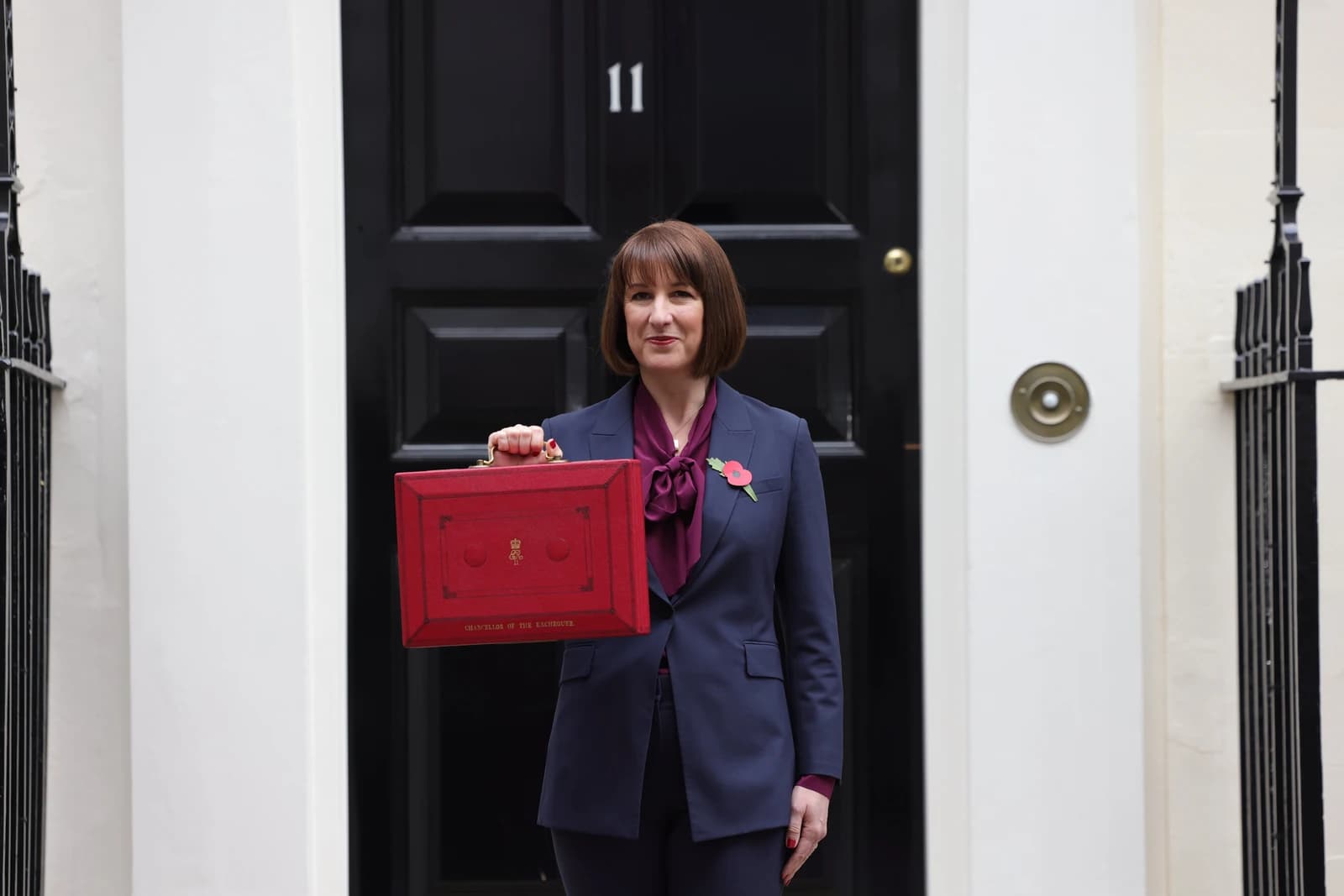
The UK is weighing a fresh investor visa for wealthy foreigners ahead of the October budget, a move that could make Britain more competitive for global capital at a time when higher taxes and tighter immigration rules have pushed some affluent residents away.
UK Weighs New Investor Visa Ahead of Budget

That matters because the country is trying to solve two problems at once: attract money and talent, while avoiding the money-laundering risks that killed the old investor visa in 2022. For investors, the bigger question is whether Britain can design a route that pulls in long-term business capital without repeating the mistakes of the past.

The government has not confirmed the plan, and no final threshold, tax treatment or eligibility rules have been set. But the options under discussion show what is at stake. One proposal, from the Institute for Public Policy Research, would require a £5 million investment over five years into a state-backed vehicle that would support innovative businesses and high-growth sectors, with returns below market rates. Another, from lobby group Foreign Investors for Britain, calls for a £2.5 million qualifying investment and an annual £200,000 tax for up to 15 years, a structure the group says could draw more than £225 billion in inward investment over a decade.
Those numbers tell you why the idea keeps resurfacing. Britain wants overseas money, but it also wants a controlled route that avoids the reputational damage tied to the old visa, which was shut over concerns about misuse of funds, especially by applicants from Russia. A new version would need to reassure policymakers that capital is clean, traceable and tied to productive investment rather than passive residency.
For wealthy families and entrepreneurs, especially in markets where the UK remains a preferred legal and financial base, the appeal is obvious. A formal pathway into Britain could help those looking to build businesses, diversify assets or secure residency in a stable legal system. But the bar is likely to be high, and the government will be careful not to signal that residency can be bought too easily.
For investors, the broader implication is that Britain is still open to capital, even as it tightens other parts of its immigration and tax regime. If the plan is adopted, it could support venture capital, small business funding and select financial services activity. It could also reinforce the UK’s pitch as a destination for internationally mobile wealth at a time when competition from other financial centers is intense.
The real test will be whether ministers can balance openness with credibility. A generous investor visa could bring in capital, but a weakly designed one could revive the same abuses that forced the last one out of existence. That makes the October budget a key moment for anyone watching UK policy, cross-border wealth flows and the long-term appeal of Britain as an investing destination.
| Entity | Gains | Losses |
|---|---|---|
| Wealthy foreign investors | ▲New residency route | ▼Higher entry cost |
| UK economy | ▲Potential capital inflows | ▼Policy credibility risk |
| British Business Bank / startups | ▲More funding | ▼None if route is limited |
| Existing visa pathways | ▲Less pressure | ▼May face tougher scrutiny |