UK private-sector activity kept expanding in July, but the pace cooled to a four-month low, underscoring a recovery that is still intact but losing momentum as higher borrowing costs and cautious demand weigh on the economy.
UK private-sector activity cooled to a four-month low in July
The survey points to growth, not contraction, for a ninth straight month, which matters because it suggests the UK avoided an immediate setback after a string of interest-rate hikes by the Bank of England. But the slowdown in July is a warning sign for policymakers and investors that the rebound remains fragile and may not be strong enough to absorb persistent cost pressures.
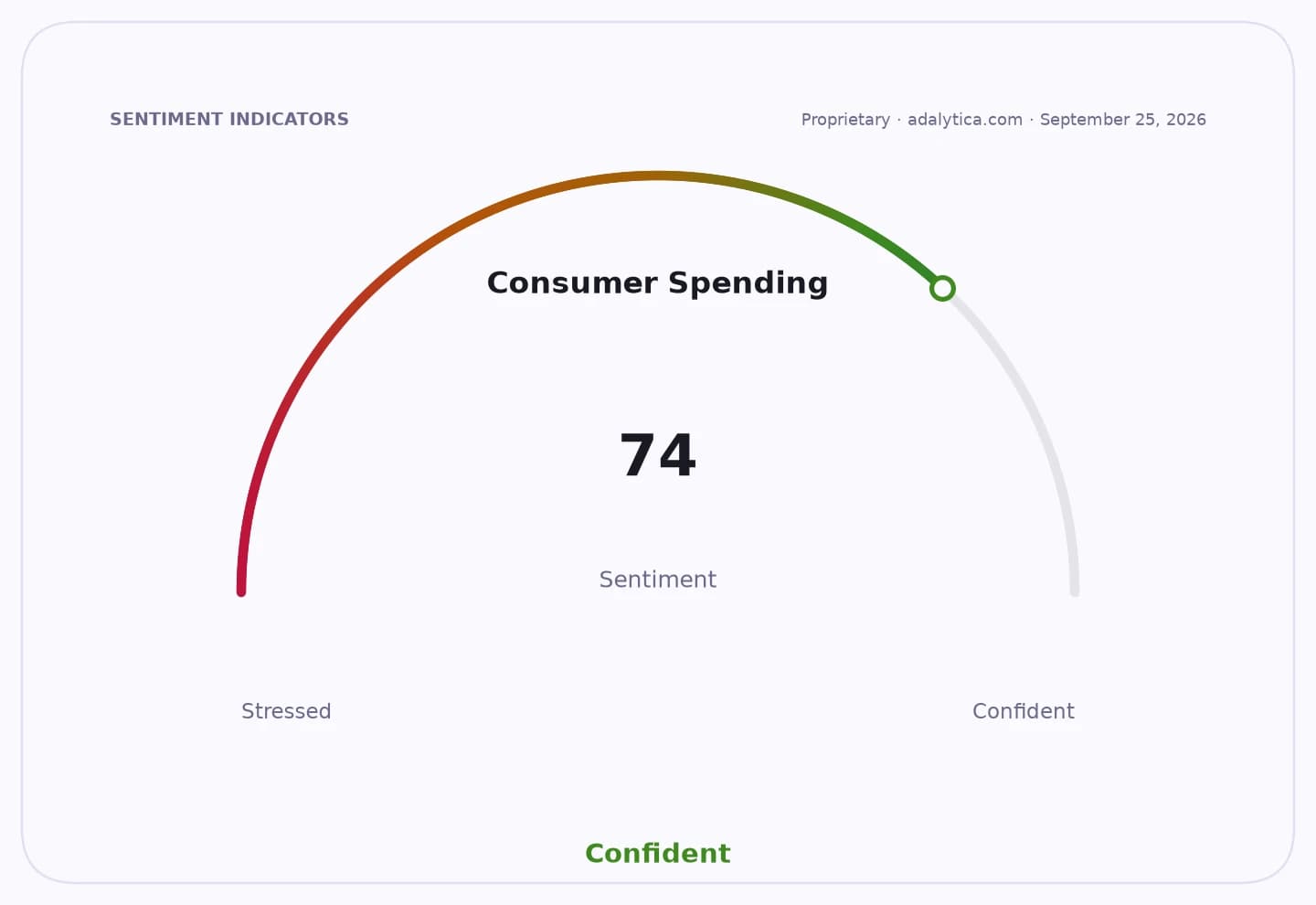
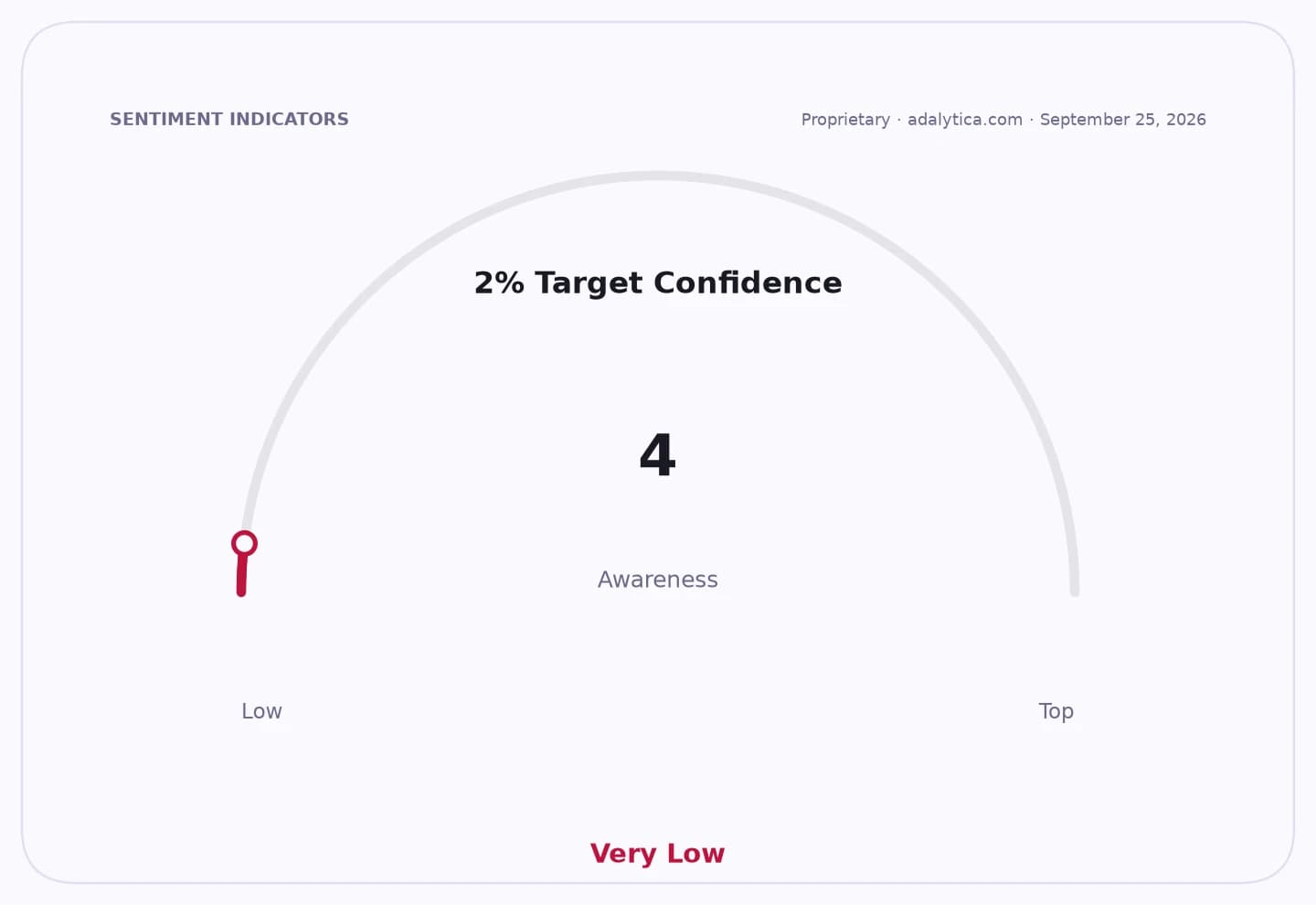
Sentiment IndicatorsⓘProprietary · adalytica.com · August 3, 2026
This is a snapshot — live sentiment, awareness and momentum for 130+ markets update continuously in the dashboard.Open AlphaPulse
That matters economically because a softer pace of expansion can translate into weaker hiring, slower wage growth and less pricing power for companies. It also complicates the outlook for the Bank of England, which is trying to bring inflation down without choking off activity.
For investors, the message is mixed: sterling and UK equities may get some support from continued growth, but a slower-than-expected expansion argues against aggressive bets on a sustained domestic recovery. The FTSE 250, which is more exposed to the UK economy than the global-heavy FTSE 100, is particularly sensitive to signs that consumer and business demand are losing steam.
The broader setup remains one of modest resilience rather than momentum. UK growth has held up better than some forecasters expected, but the data now suggest the economy is moving into a softer patch just as global markets are parsing the timing of future rate cuts and the durability of disinflation.
The next catalysts are fresh inflation and labour-market data, along with the Bank of England’s next policy signals, which will determine whether July’s slowdown proves temporary or the start of a more pronounced cooling.
| Entity | Gains | Losses |
|---|---|---|
| UK businesses | ▲Continued expansion | ▼Slower demand growth |
| Bank of England | ▲More room to judge inflation | ▼Harder policy call |
| FTSE 250 | ▲Support from growth | ▼Pressure from weaker domestic activity |
| Borrowers | ▲Potentially easier rate-cut case | ▼Delayed recovery in spending |