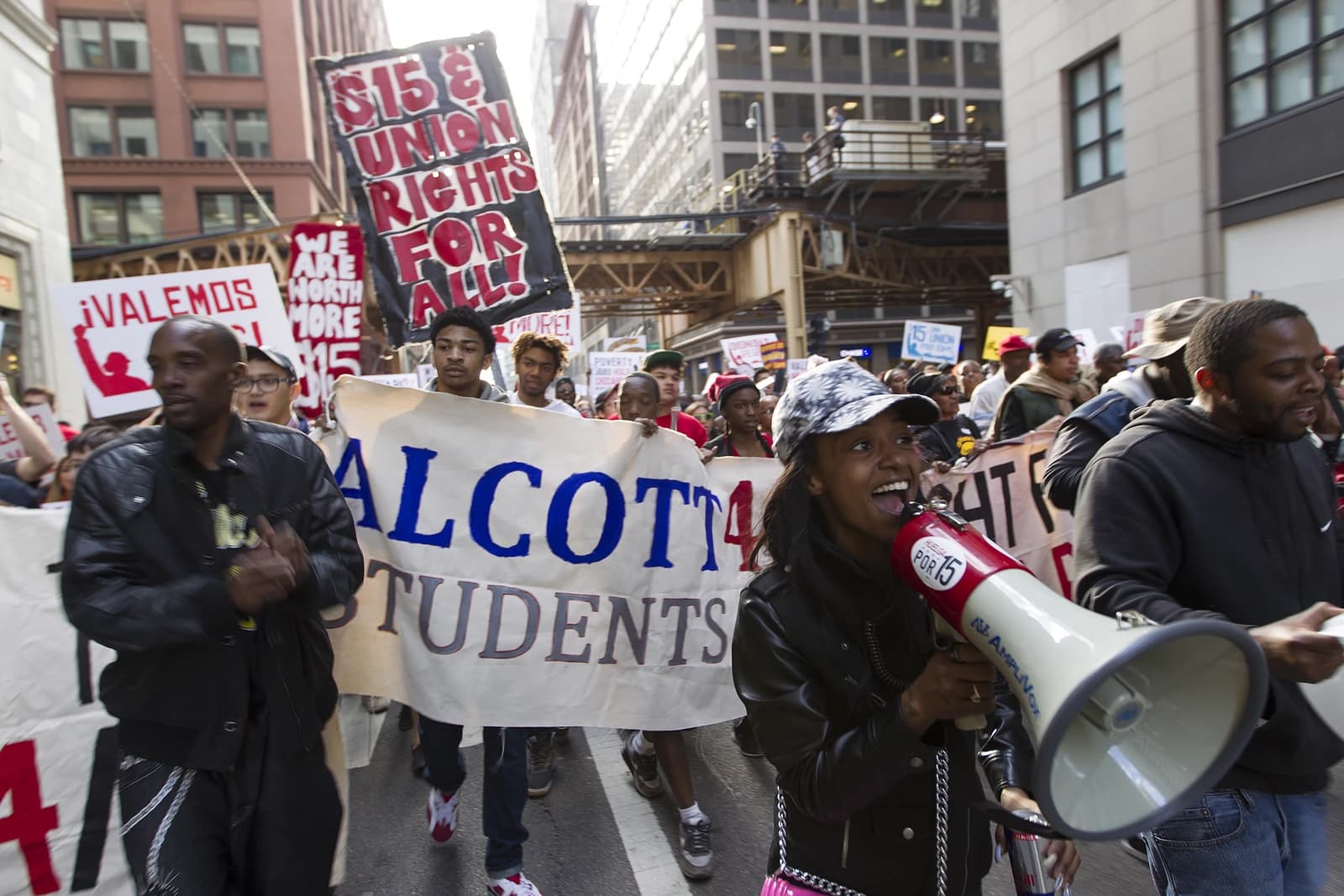
Thousands of low-paid workers across the UK are getting a pay rise from today as the voluntary Real Living Wage climbs to £14.10 an hour, a move that strengthens household incomes but also adds to pressure on employers already facing higher labour costs.
UK Real Living Wage rises to £14.10 an hour
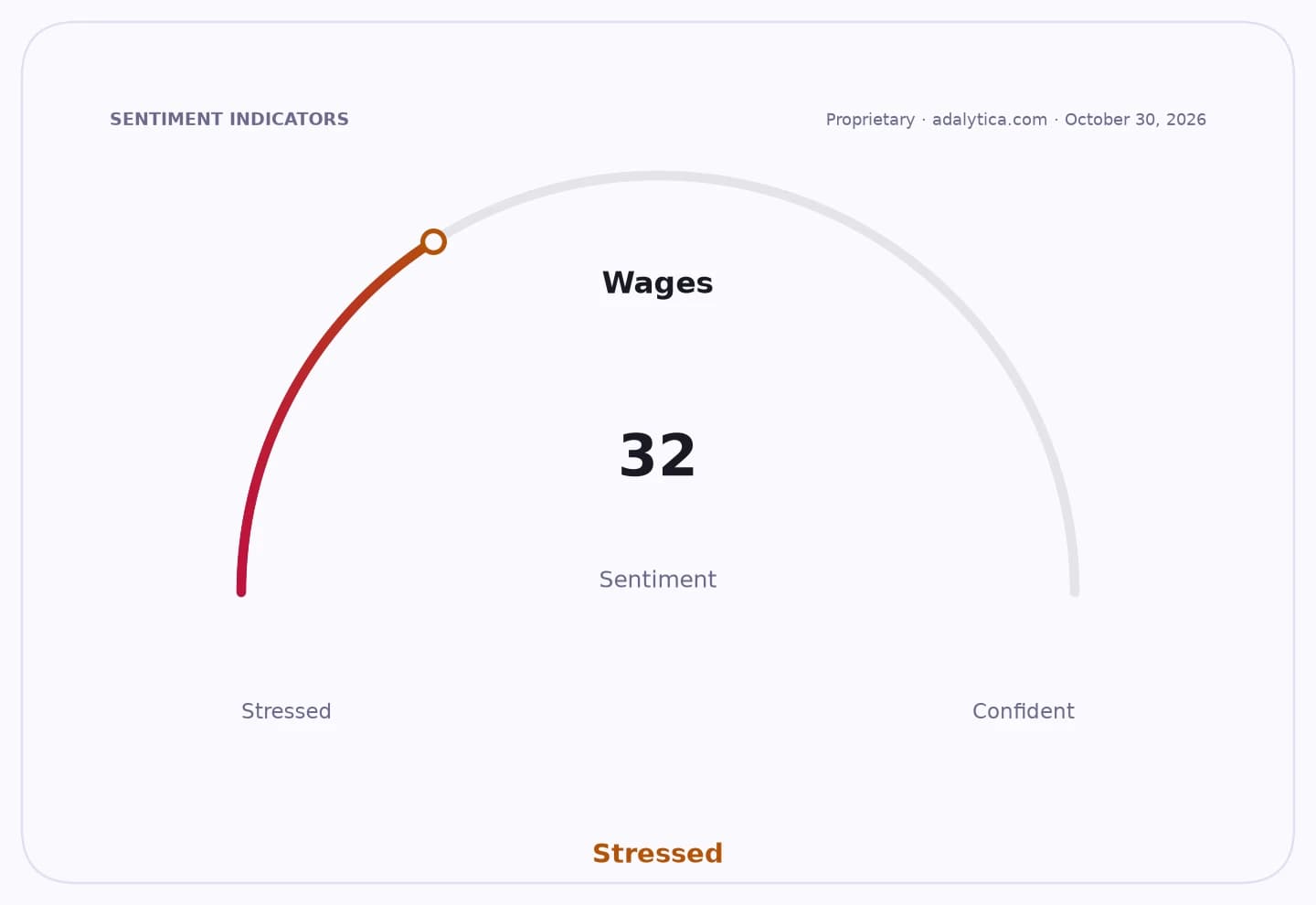
Wages
The increase, announced by the Living Wage Foundation, lifts the rate by 65p from the previous level and takes the London rate to £15.45. It will affect almost half a million people working for nearly 17,000 employers, with full-time staff set to be more than £1,250 better off over the year. The foundation said someone earning the new Real Living Wage would make more than £2,700 a year more than a worker on the government’s statutory minimum wage of £12.71 for over-21s.
Sentiment Indicators
That gap matters economically because it supports disposable income at the lower end of the labour market, where spending tends to be immediate and local. In an economy still dealing with elevated living costs, extra cash for low-paid workers can cushion demand for essentials such as food, transport and household goods. But it also raises the wage bill for employers that have signed up voluntarily, with knock-on effects for margins in labour-intensive sectors such as retail, care, hospitality and facilities management.
The Living Wage Foundation said nearly 17,000 employers now pay the rate, and more than 2,000 new companies joined over the past year, including Uniqlo, the Department for Business and Trade and Coventry Building Society. That expansion suggests the policy has become more embedded in corporate pay structures rather than remaining a niche campaign. The foundation said the initiative has delivered almost £5 billion in pay rises over 25 years, including nearly £700 million in the last year alone.
For investors, the key issue is not the headline wage rise itself but the uneven hit to operating costs across sectors. Retailers and consumer-facing companies with large front-line workforces are more exposed than capital-light businesses, while firms that can raise prices or absorb costs through productivity gains are better placed. The move also reinforces a broader wage-inflation backdrop that can squeeze margins even as it supports consumer demand, leaving markets to weigh whether stronger pay packets offset the risk of slower profit growth.
The policy debate is likely to stay active. Emily Sawh, co-director of the Living Wage Foundation, said millions of workers remain trapped in in-work poverty despite the campaign’s progress, while Unison said the increase underlined the urgency of tackling the cost-of-living crisis. For employers, the next question is whether higher voluntary wages become a competitive necessity in the labour market, and for policymakers whether the statutory minimum keeps pace without adding too much strain to smaller businesses.
| Entity | Gains | Losses |
|---|---|---|
| Low-paid workers | ▲Higher take-home pay | ▼None directly |
| Voluntary Real Living Wage employers | ▲Better recruitment and retention | ▼Higher labour costs |
| Consumer-facing employers | ▲Stronger staff morale | ▼Margin pressure |
| Households and local economies | ▲More disposable income | ▼Higher payroll burden on firms |