Geopolitical tension is beginning to shape how Britons travel this summer, with agents saying the “Great British Getaway” is increasingly being driven by caution, cost and shorter-haul plans as global risk spikes and oil prices rebound.
Geopolitical Fear Shifts UK Travel Toward Short Hauls
That matters because travel demand is one of the first discretionary spending categories to react when households feel unsettled. It also feeds directly into airlines, online travel platforms and tour operators that depend on confident booking behavior, steady capacity demand and predictable fuel costs.
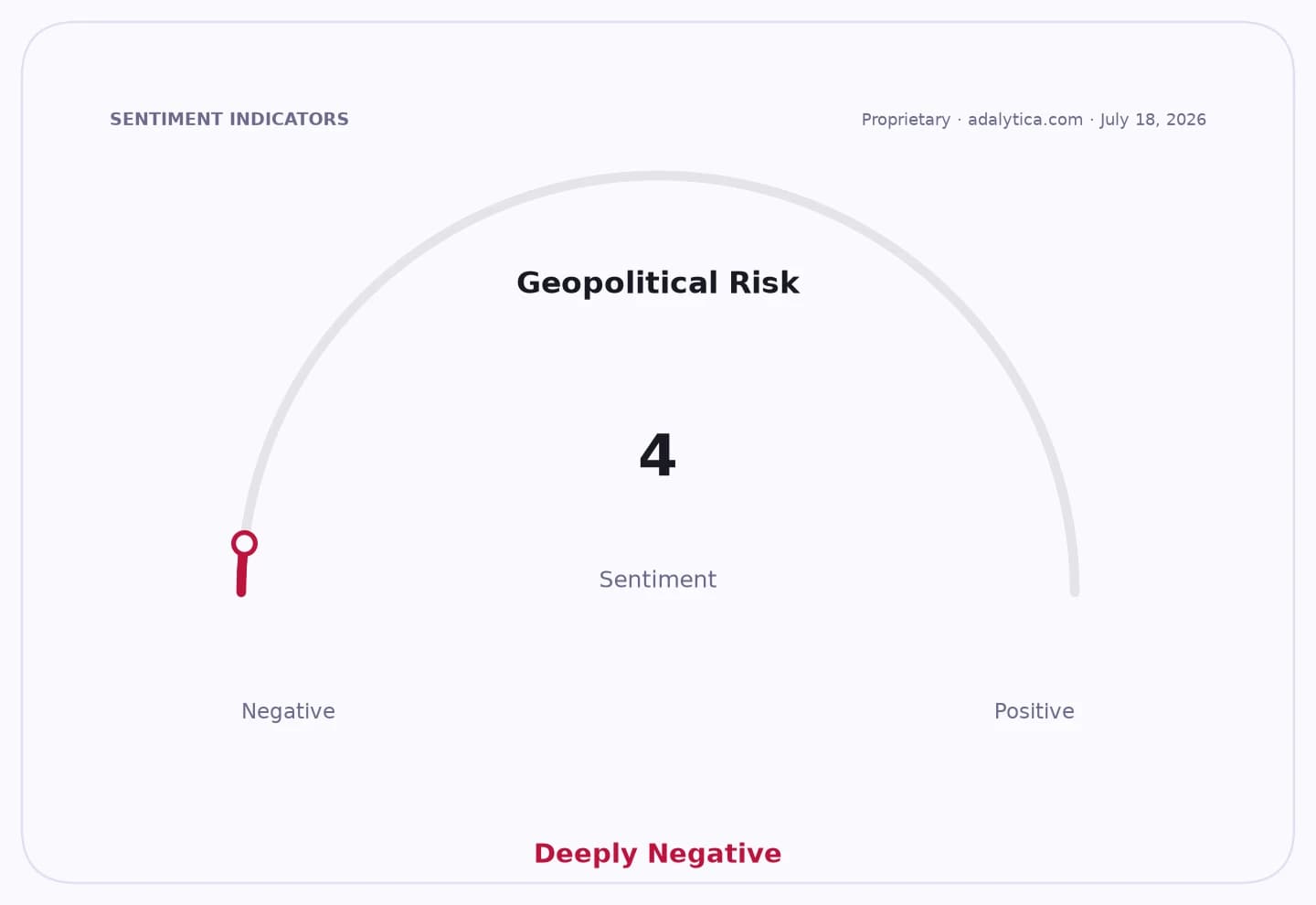
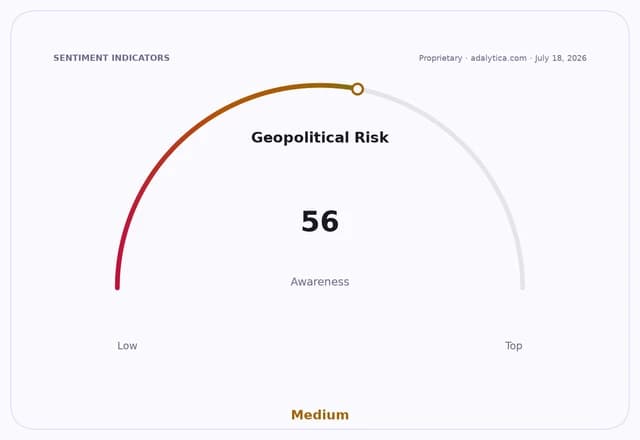
Sentiment IndicatorsⓘProprietary · adalytica.com · July 18, 2026
This is a snapshot — live sentiment, awareness and momentum for 130+ markets update continuously in the dashboard.Open AlphaPulse
The shift comes as Adalytica’s Global Stability Sentiment gauge has collapsed to 4, or “Extreme Fear,” from 26 a day earlier and 86 a month ago, reflecting a sharp deterioration in geopolitical risk appetite. At the same time, Brent-linked U.S. crude has climbed back to about $78 a barrel from a July 9 low near $73, threatening to keep pressure on transport and package-tour pricing.
For investors, that combination is awkward. Higher fuel costs can squeeze airline and tour margins, while fear-driven booking patterns tend to favor lower-ticket domestic trips over higher-margin long-haul vacations. It can also push consumers toward late bookings, discount hunting and shorter stays, reducing visibility for operators heading into the peak summer period.
The market response has been mixed but broadly constructive for the biggest online travel names. Expedia shares rose to $268.77 on Friday from $260.31 on July 8, while Booking Holdings traded at $181.68 versus $178.24 on June 30. Both remain well above their 50-day moving averages, but neither stock is showing the kind of momentum that would suggest investors are ignoring the risk of softer travel demand.
Technical indicators point to a more cautious tone than the price action alone suggests. Expedia’s RSI reading was 54.8 on Friday after reaching 63.9 a day earlier, while Booking’s RSI was 50.3, implying neither stock is overbought despite recent gains. Both names are still trading below their recent Bollinger Band highs, leaving room for volatility if oil stays elevated or geopolitical headlines worsen.
The broader narrative is that geopolitical stress is not stopping people from traveling — but it is changing where, when and how they spend. For British travelers, that means more pressure to choose familiar, nearby, lower-risk destinations, with fewer commitments made far in advance.
The next catalyst is whether summer booking trends hold up into late July and August. If oil stays near current levels and global risk sentiment remains in “Extreme Fear,” travel agents may see more demand for domestic breaks and budget-led itineraries, while airlines and online travel platforms face a tougher read on margins and forward bookings.
| Entity | Gains | Losses |
|---|---|---|
| UK domestic travel operators | ▲Short-haul demand | ▼Long-haul premium spend |
| Booking platforms like Expedia and Booking | ▲Transaction volume | ▼Margin visibility |
| Airlines and tour operators | ▲Near-term bookings | ▼Fuel-cost pressure |
| Travelers | ▲More cautious choices | ▼Higher fares and fewer options |