Britain’s labour market is finally showing clearer signs of stabilisation, and the shift matters because it eases pressure on the Bank of England just as inflation risks remain sticky. Private-sector wage growth has slowed to its weakest pace in six years, a development that points to a labour market that is no longer overheating even though unemployment remains close to historical lows.
UK Wage Slowdown Eases BoE Rate Pressure
That is economically important because pay growth has been one of the central channels keeping UK services inflation elevated and forcing policymakers to hold rates restrictive for longer. A softer wage backdrop reduces the risk of a wage-price spiral and gives the BoE more room to judge that the tightening cycle is working without needing to push rates higher again. For households, slower pay growth can be a drag on real-income gains if inflation fails to cool at the same pace, but for policymakers it is a sign that demand for labour is coming into better balance with supply.
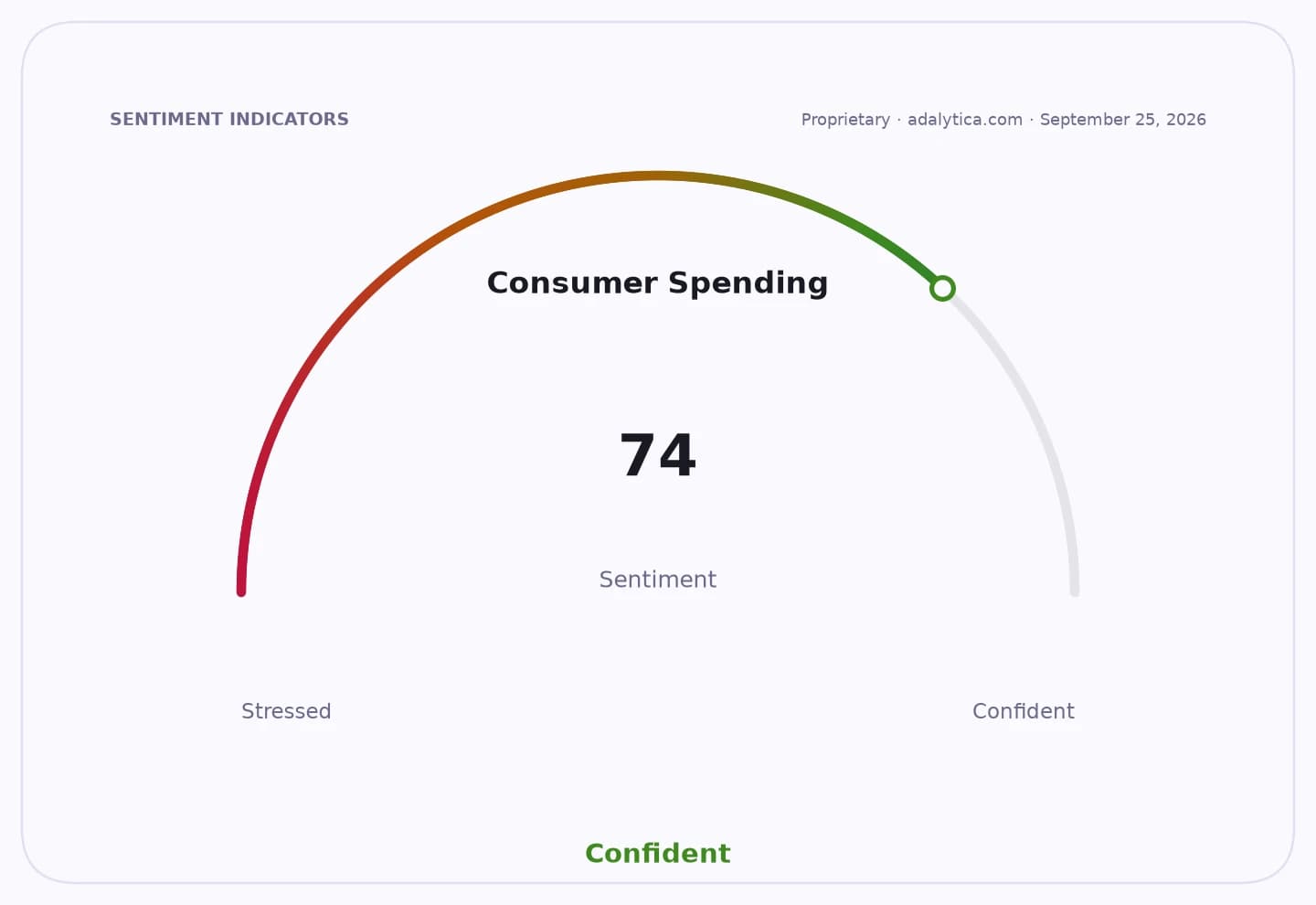
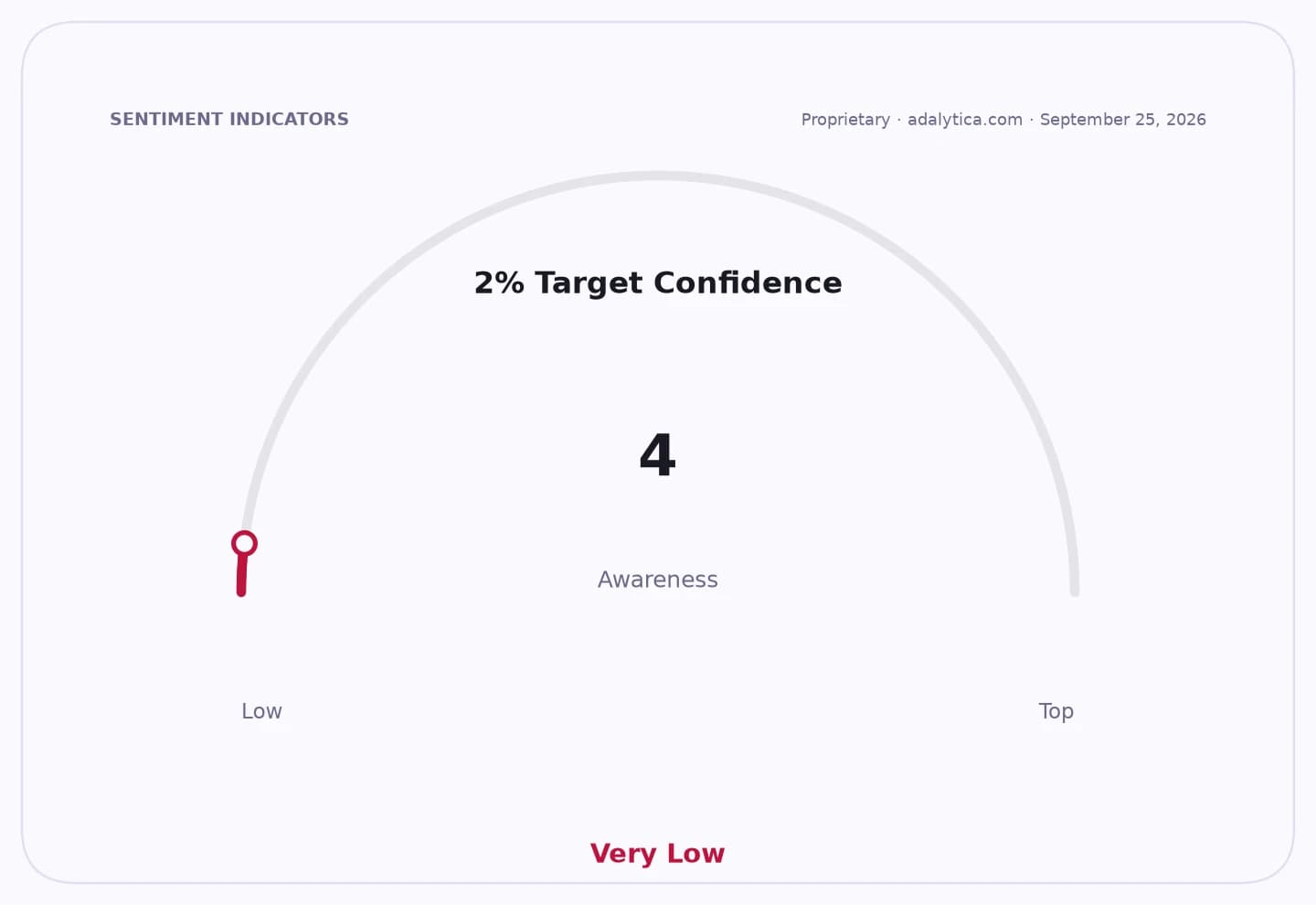
Sentiment IndicatorsⓘProprietary · adalytica.com · July 21, 2026
This is a snapshot — live sentiment, awareness and momentum for 130+ markets update continuously in the dashboard.Open AlphaPulse
The latest read-through from market data is consistent with that narrative. Sterling was little changed around $1.34, with conventional technical indicators such as the 50-day and 200-day moving averages converging near that level, suggesting the currency has been trading without a strong directional catalyst. UK-focused assets have been steadier: the iShares MSCI United Kingdom ETF has held above both its 50-day and 200-day moving averages, indicating investors are not pricing a sharp deterioration in the domestic outlook. At the same time, the Adalytica Wage Inflation sentiment gauge remains at an extreme reading, underscoring how closely traders are still watching pay trends for signs of persistent inflation.
The easing in wage pressure also aligns with a labour market that is cooling rather than cracking. The unemployment rate has edged down to 4.2% in the latest data and is forecast to ease slightly further, a combination that suggests hiring remains resilient enough to avoid a sharp downturn but not so tight as to keep wages accelerating. That balance is exactly what central bankers have been trying to engineer: fewer vacancies, less bidding up of pay, and a gradual return to labour-market normality.
For investors, the implications run across rates, currencies and domestic equities. A sustained slowdown in private-sector earnings growth strengthens the case for earlier or deeper BoE cuts than the market would otherwise have expected, which would typically support duration-sensitive assets and potentially weigh on the pound if the UK rate advantage narrows versus the US. Yet there is a bear case for the economy: if wage growth slows because firms are cutting demand, not because supply has improved, the same data would be a warning of weaker consumption ahead.
The key question now is whether this is the start of a benign rebalancing or the first sign that labour demand is losing momentum more broadly. If wage growth keeps cooling while employment holds up, the BoE can keep moving toward a less restrictive stance. If hiring slows further and consumer spending weakens, the stabilisation story could quickly turn into a growth scare.
| Entity | Gains | Losses |
|---|---|---|
| Bank of England | ▲Easier inflation fight | ▼Pressure to keep rates high |
| UK borrowers | ▲Lower rate-cut odds | ▼Higher borrowing costs |
| UK workers | ▲More stable jobs market | ▼Slower pay gains |
| Sterling bears | ▲Softer wage-led rate support fades | ▼Stronger UK policy-differential case |