Ukraine’s weapons pipeline is likely to remain constrained through the end of the decade, with the Pentagon preparing to spend about $400 million on aid that stretches only to 2029, a signal that Washington is still supporting Kyiv but on a far more limited, budget-conscious footing.
Ukraine Aid Cooling Supports Steady Defense Demand

The significance is economic as much as geopolitical. A multi-year funding plan that is modest in scale relative to the cost of modern warfare suggests the US is shifting from open-ended emergency support toward a narrower, longer-dated commitment. For Ukraine, that means fewer expectations of a sudden surge in US-supplied hardware. For investors, it points to a defense demand profile that is steadier than a wartime spike, but still anchored by replenishment orders, missile defense and sustainment spending.
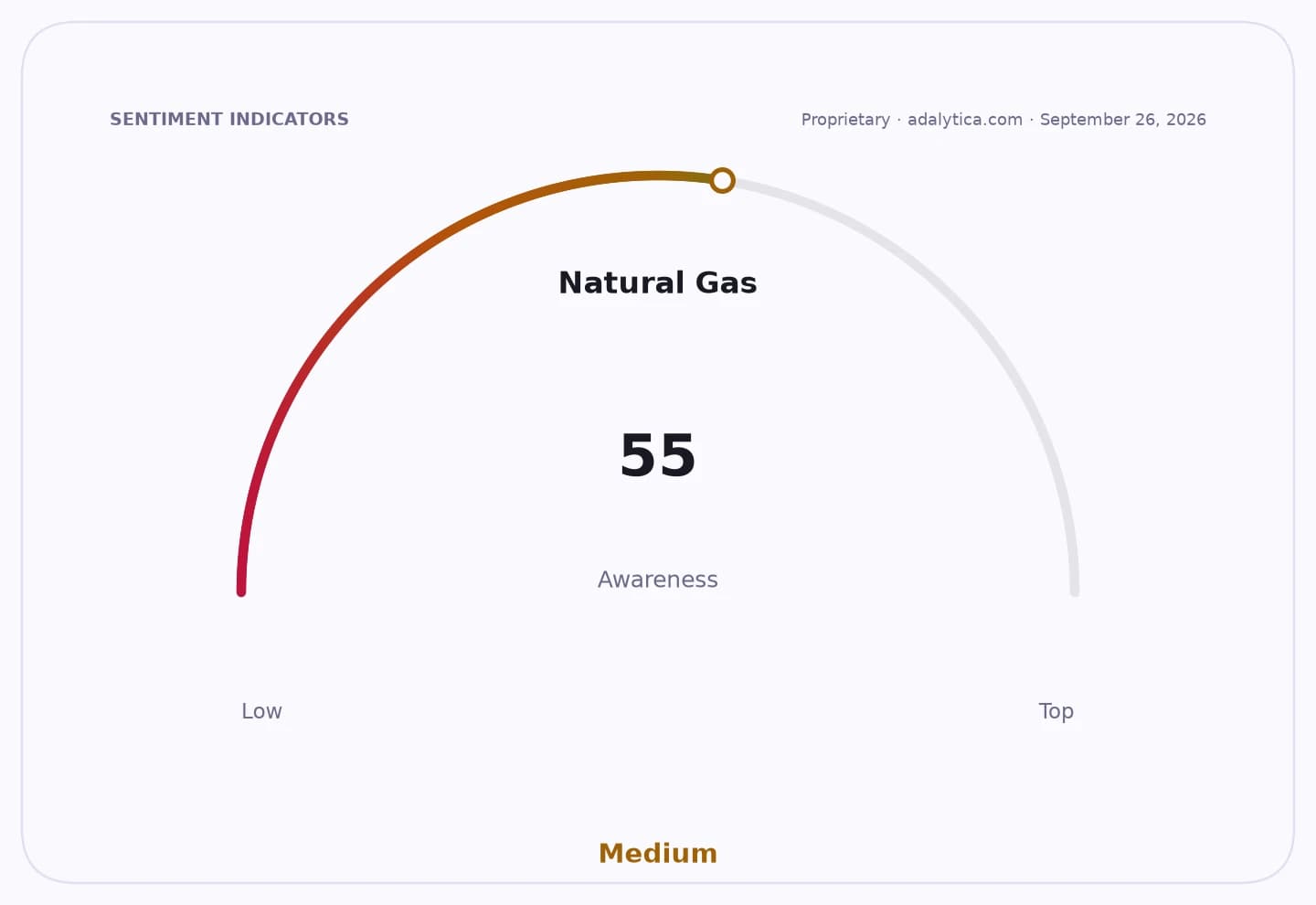
Sentiment IndicatorsⓘProprietary · adalytica.com · July 28, 2026
This is a snapshot — live sentiment, awareness and momentum for 130+ markets update continuously in the dashboard.Open AlphaPulse
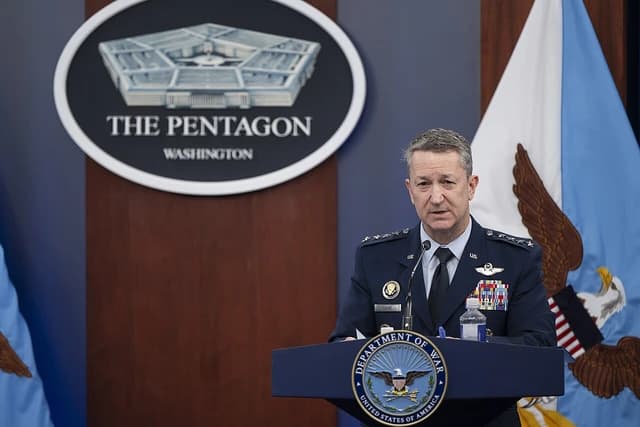
The headline figure is small in the context of US defense budgets and even smaller relative to the total cost of keeping Ukraine supplied. It also reinforces a broader policy reality: the US remains willing to back Kyiv, but the political and fiscal appetite for large, discretionary transfers has cooled. That matters because aid flows shape battlefield endurance, European burden-sharing and procurement visibility for defense contractors.
The market’s read-through has been clearest in US defense names. Lockheed Martin, Northrop Grumman and RTX have all traded stronger over the past several months, reflecting investor confidence that geopolitics, rearmament and missile-defense demand will support revenue even if Ukraine-specific assistance becomes more measured. Lockheed shares closed at $580 on July 27, well above the 50-day moving average of $523.61, while RTX finished at $218.42, also above its 50-day and 200-day averages. Northrop Grumman, however, remains below its 200-day average, suggesting investors still see more uneven demand visibility there.
That divergence speaks to the quality of defense demand, not just its quantity. The Ukraine war has accelerated consumption of interceptors, precision munitions and air-defense systems, but the Pentagon’s latest posture suggests the next phase is more about industrial capacity, inventory replacement and scheduled procurement than headline-grabbing aid packages. For contractors, that is usually less explosive than emergency funding, but more durable.
The bull case is that even a restrained US commitment locks in a baseline of orders and keeps allied rearmament in motion, especially as Europe steps up its own support. Ireland’s latest EUR 125 million package and broader EU assistance underline that burden-sharing is widening, not receding. The bear case is that a limited Pentagon plan could lengthen delivery timelines and leave Ukraine reliant on piecemeal support, raising execution risk for suppliers and leaving some programs vulnerable to political delay.
Technical signals in the stocks suggest the market is leaning into the durable-demand view. Lockheed’s relative strength index has risen to 71.0, near overbought territory, while RTX’s RSI sits at 71.0 as well, indicating strong momentum but also stretched near-term positioning. Northrop’s RSI near 49 points to a more neutral setup, consistent with a market waiting for clearer contract visibility. None of that changes the core point: investors are pricing defense as a structural trade, but one increasingly driven by backlog conversion and sustainment rather than war-aid headlines alone.
For Ukraine, the message is less encouraging. A $400 million plan through 2029 implies support, but not abundance, and likely not at the pace needed to transform the battlefield balance. For defense investors, it reinforces a familiar thesis: the war is no longer just about emergency transfers, but about how quickly the US and its allies can convert strategic concern into industrial output.
| Entity | Gains | Losses |
|---|---|---|
| Ukraine | ▲Continued US support | ▼Larger weapons pipeline |
| Pentagon/US budget planners | ▲Fiscal discipline | ▼Open-ended aid commitments |
| Lockheed Martin, RTX | ▲Steady missile and air-defense demand | ▼Emergency-spike pricing |
| Northrop Grumman | ▲Long-cycle procurement visibility | ▼Near-term aid-driven upside |