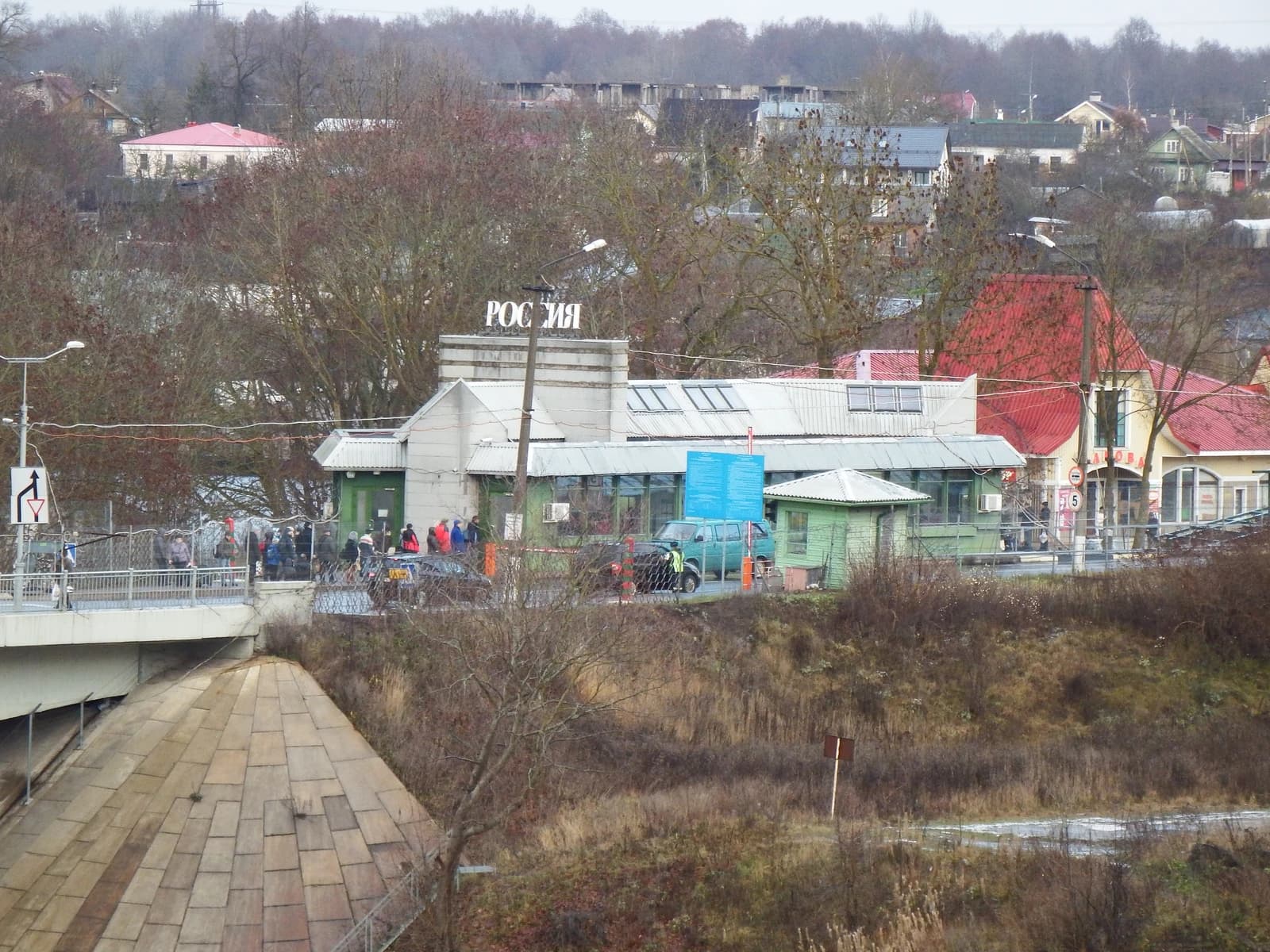
Ukraine has imposed a special border regime along a 1-kilometer strip on its frontier with Russia and Belarus, a wartime security move that underscores Kyiv’s focus on rear-area defense as the war grinds on and the risk of cross-border disruption remains elevated.
Ukraine imposes border regime along Russia, Belarus frontier

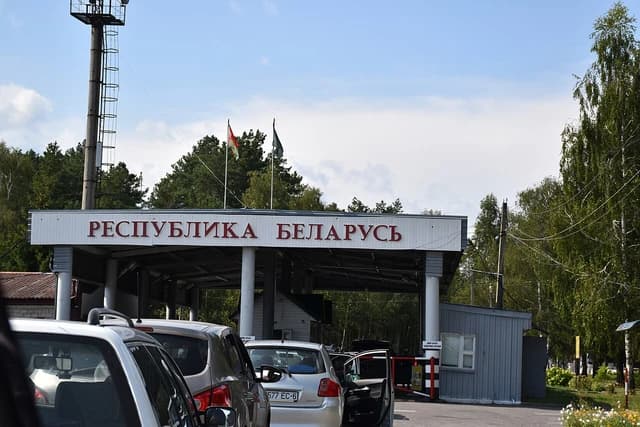
The restriction, announced by Ukraine’s State Border Guard Service, bars free entry, residence, movement and most non-military work within the kilometer-wide zone for as long as martial law remains in force. The government said the measure is meant to strengthen the country’s defenses and prevent Belarusian territory from being used to destabilize border regions inside Ukraine.
Economically, the step reflects a continuing shift of land use and labor away from civilian activity and toward security and logistics. A kilometer-wide exclusion zone may appear narrow, but along a long frontier it can affect farms, local businesses, property rights and infrastructure access, while adding another layer of uncertainty for any activity near the border. In wartime, that can also complicate municipal services, transport planning and reconstruction work in affected districts.
For investors, the immediate market read-through is less about direct revenue impact than about the durability of war risk in Eastern Europe. The tighter regime reinforces the view that Ukraine is preparing for a prolonged security environment, not an imminent normalization. That matters for sovereign risk pricing, reconstruction timelines, insurance costs and any corporate decision tied to supply chains, agriculture, mining and logistics in the country’s north and northeast.
Geopolitical Risk — 30-day sentimentadalytica.com
Explore this data interactively — full history, time series and cross-market comparisons.Open AlphaPulse

The move also highlights the strategic importance of Belarus, which Kyiv has long treated as a potential staging ground for Russian pressure. By tightening controls close to that border, Ukraine is trying to reduce the odds of infiltration, sabotage or civilian disruption in a region that remains exposed even when the front line is elsewhere. The broader message is that the war is still reshaping not just military positions but the geography of economic activity inside Ukraine.
For defense contractors and security-sensitive industries, the ruling is a reminder that demand for border protection, surveillance and engineering support is likely to remain elevated. For companies with exposure to Ukraine, the regime raises the premium on route planning, site security and continuity planning. The key investor question is whether such measures stay localized or become part of a more persistent tightening of internal controls as the conflict continues.
| Entity | Gains | Losses |
|---|---|---|
| Ukraine government | ▲tighter border control | ▼higher administrative burden |
| Military and border forces | ▲easier enforcement | ▼more operational responsibilities |
| Local civilians and landowners | ▲greater security | ▼restricted movement and access |
| Investors and businesses | ▲clearer security posture | ▼longer war-risk premium |