Ukraine is still hardening its northern border with Belarus because the threat there never fully went away, and that matters for anyone trying to gauge how long this war will keep draining Eastern Europe’s economy, defense budgets, and investor confidence.
Ukraine Border Risks Keep Defense Spending Elevated

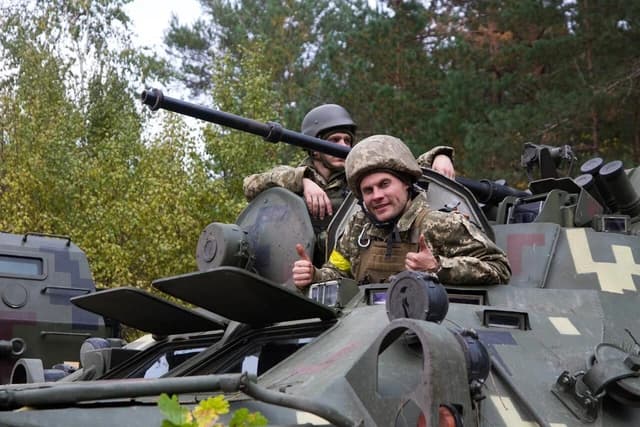
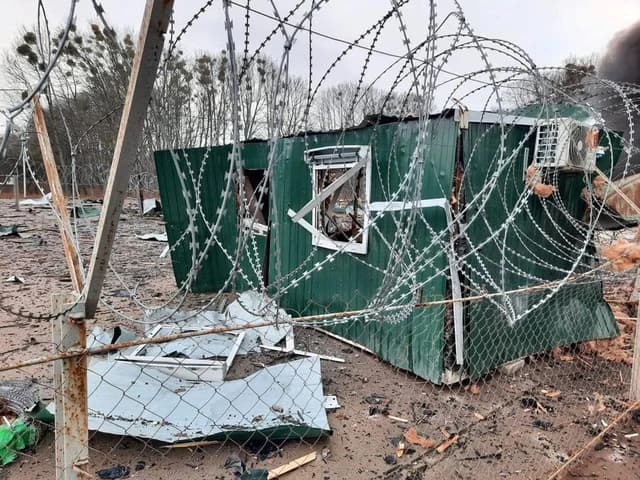
Border guards have built what they describe as a “kill zone” along the frontier, a blunt sign that Kyiv is preparing for a scenario that markets have been hoping to avoid: a renewed pressure point from the same direction Russia used when it launched its full-scale invasion. Belarusian President Alexander Lukashenko’s order to deploy special forces near the border, along with threats to conscript workers with little training, only reinforces the message that the Belarus-Ukraine line remains a live military risk, not a frozen one.
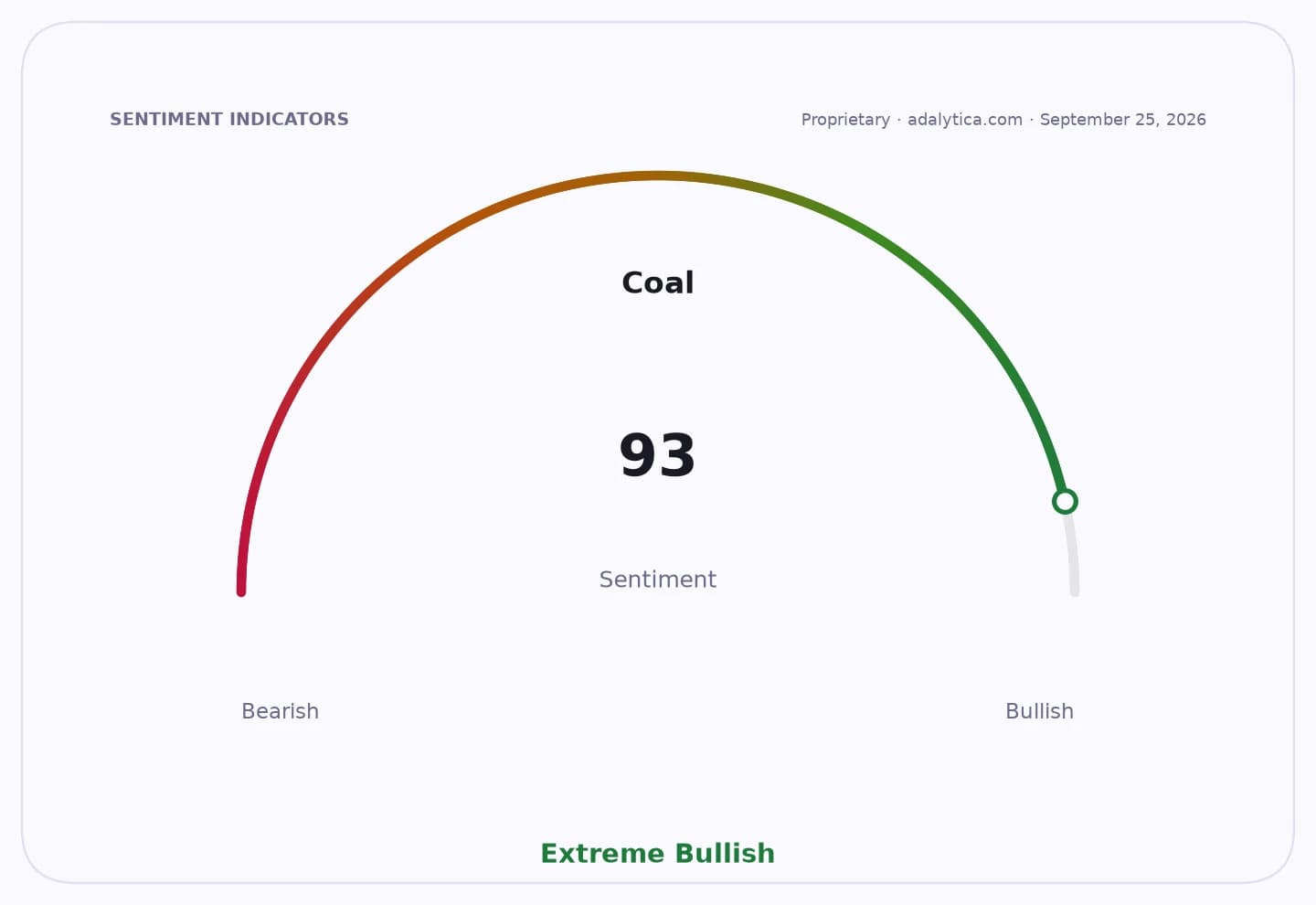
Sentiment IndicatorsⓘProprietary · adalytica.com · July 25, 2026
This is a snapshot — live sentiment, awareness and momentum for 130+ markets update continuously in the dashboard.Open AlphaPulse
For Ukraine, the economics are straightforward even if the politics are not. Every ruble, hryvnia, or dollar spent on trenches, fortifications, surveillance, drones, and troop rotations is money not going into rebuilding factories, power grids, housing, or transport links. That is the hidden cost of a border that cannot be left unguarded. The longer the threat persists, the more Ukraine must budget as if the war’s front line could shift again at any moment.
For investors, that is the key takeaway: geopolitical risk in the region is still not fading into the background. It keeps a premium on defense, cybersecurity, logistics resilience, and energy security, while continuing to weigh on assets tied to a quick normalization in the region. The latest tension also serves as a warning against assuming that battlefield containment means strategic stability. In Eastern Europe, the two are not the same thing.
Geopolitical Risk vs EWTadalytica.com
Explore this data interactively — full history, time series and cross-market comparisons.Open AlphaPulse
Adalytica’s Global Stability Sentiment snapshot captures that unease, showing “Extreme Fear” even as awareness remains high. In plain English, the world may be paying more attention to geopolitical risk again, but that does not mean it feels safer. For long-term investors, those swings in sentiment matter because they can keep capital flowing toward companies and sectors that benefit from prolonged security spending and away from businesses that need open borders and calm supply chains to thrive.
The market lesson is not to trade every headline, but to recognize the durable winners and losers that emerge when a conflict becomes entrenched. Defense contractors, surveillance providers, and infrastructure-security firms can continue to see support from elevated spending. Broader European risk assets, cross-border trade names, and any recovery story built on a fast end to the war remain vulnerable as long as Belarus stays a credible launchpad for pressure on Ukraine.
This is why investors should think in years, not days. Border fortifications do not produce a headline-friendly ending, but they do reveal something important about the future: Ukraine is planning for a long conflict, and markets should do the same. The companies and funds that can compound through uncertainty, especially those with diversified exposure and strong cash flow, are likely to be the better long-term places to stand. This remains a risk worth watching, not a reason to panic.
| Entity | Gains | Losses |
|---|---|---|
| Ukraine’s defense sector | ▲Higher security spending | ▼No peace dividend |
| Belarus-Russia military posture | ▲Tactical leverage | ▼Higher isolation |
| European defense investors | ▲More contract visibility | ▼Broader risk appetite |
| Cross-border trade and recovery bets | ▲Limited upside | ▼Prolonged uncertainty |