Ukraine’s strike on a bridge linking occupied southern Ukraine to Crimea underscores how the war is increasingly being fought through infrastructure that supports Moscow’s military logistics and the movement of goods into the peninsula.
Ukraine strikes Chonhar bridge to Crimea
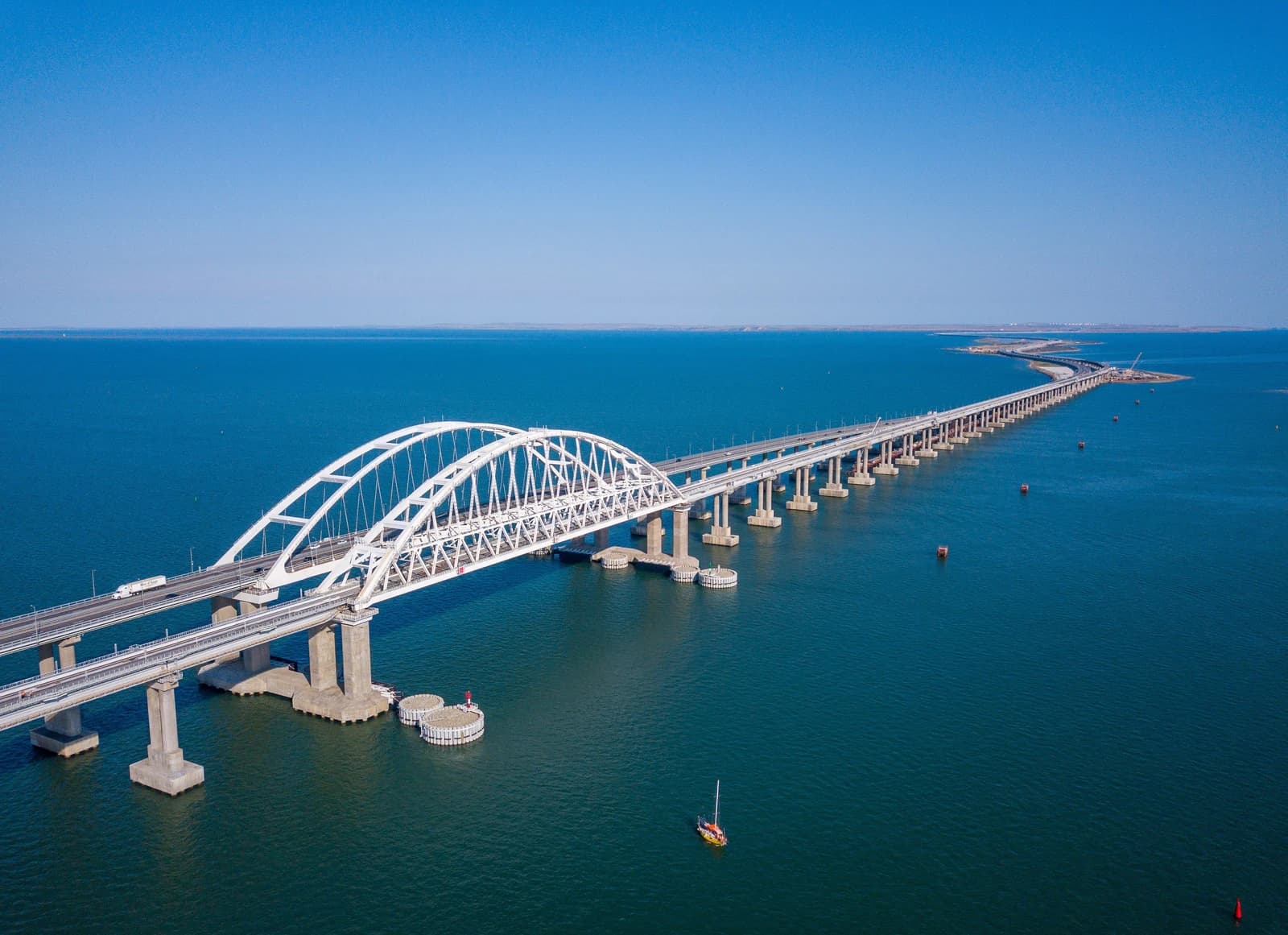
Russian officials said the two parallel Chonhar bridges were damaged in the attack, which they blamed on long-range British Storm Shadow missiles. No one was hurt, according to Vladimir Saldo, the Russian-installed governor in occupied Kherson. Kyiv has not publicly confirmed the weapon used, but the episode fits a pattern of Ukrainian efforts to disrupt Russian transport routes to and from Crimea.
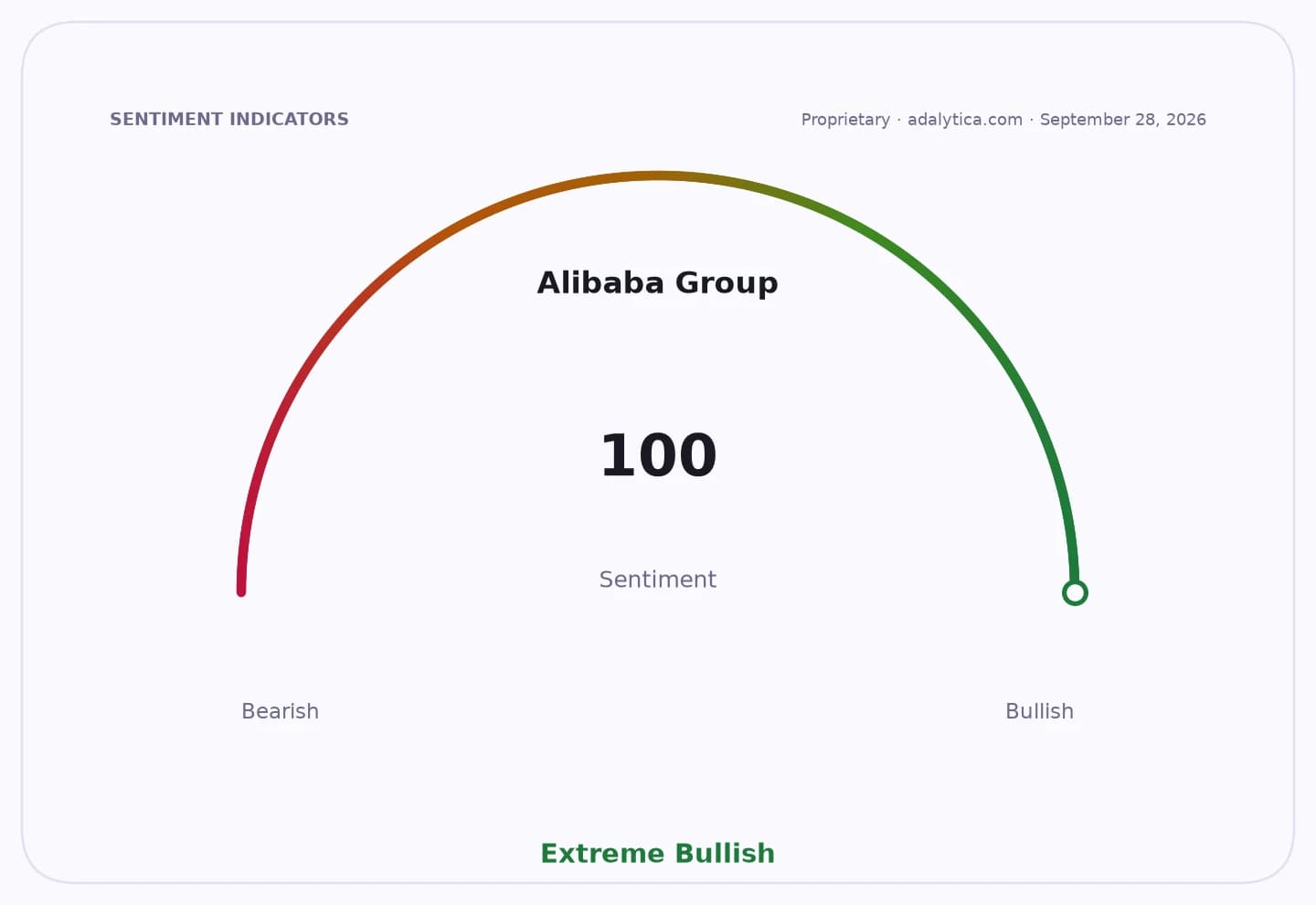
Sentiment IndicatorsⓘProprietary · adalytica.com · September 27, 2026
This is a snapshot — live sentiment, awareness and momentum for 130+ markets update continuously in the dashboard.Open AlphaPulse
The economic significance lies in the target itself. Crimea depends heavily on fixed links over the narrow approaches from southern Ukraine, making bridges a critical artery for fuel, ammunition, food and civilian traffic. Damaging those routes does not just complicate Russian military resupply; it also raises the cost of holding and administering occupied territory by forcing longer detours, more vulnerable convoys and greater reliance on rail or sea transport.
For investors, the relevance is less about immediate market moves than about the war’s continuing impact on commodities, shipping risk and defense demand. Any escalation that threatens transport infrastructure in the Black Sea region keeps attention on agricultural exports, energy logistics and insurance costs. It also reinforces the case for defense suppliers as European governments face prolonged demand for missiles, air defenses and munitions.
The strike also carries a political signal. Using a Western-made long-range missile, if confirmed, would highlight Ukraine’s reliance on outside military support even as it seeks to widen the battlefield beyond the front line. For Russia, repeated damage to routes into Crimea exposes the vulnerability of a territory it annexed in 2014 and has treated as strategically and politically non-negotiable.
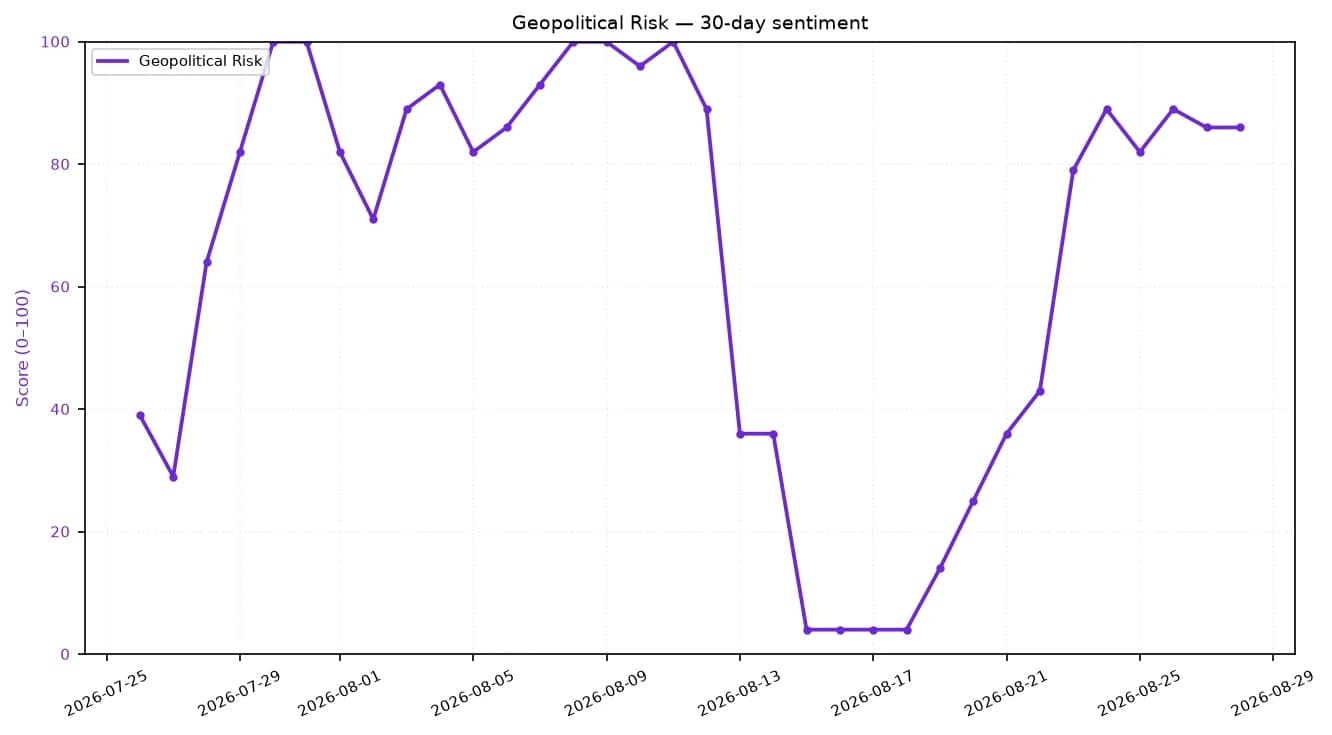
Markets are unlikely to trade the incident in isolation, but the broader backdrop is one of elevated geopolitical risk. Adalytica’s Global Stability Sentiment gauge shows extreme greed at the headline level while awareness remains in extreme fear, a combination that suggests investors are comfortable with risk assets even as conflict and supply-chain shocks remain a live tail risk. Gold, by contrast, has been under pressure, but renewed strikes on critical infrastructure could revive safe-haven demand if the conflict broadens or disruptions intensify.
The next question is whether Ukraine can keep hitting fixed Russian transport links without prompting a sharper retaliation. If bridge strikes become a sustained campaign rather than isolated episodes, the war’s economic cost would rise for Moscow, the Black Sea region would become harder to insure and move through, and investors would have one more reason to keep a geopolitical premium in commodities and defense stocks.
| Entity | Gains | Losses |
|---|---|---|
| Ukraine | ▲Disrupts Russian logistics | ▼Faces retaliation risk |
| Russia | ▲Retains control claims | ▼Supply-line vulnerability |
| Defense contractors | ▲Higher weapons demand | ▼— |
| Black Sea shippers | ▲— | ▼Higher disruption risk |