Ukraine’s state debt repayment burden works out to about $9,523 for every resident, underscoring how heavily the war-hit country will lean on external financing for decades even as its current obligations remain under pressure.
Ukraine debt service reaches $209.5 billion by 2061

The calculation, based on a schedule from Ukraine’s finance ministry, shows $209.51 billion in debt service payments due from October 2026 through December 2061, including principal, interest and fees. That compares with a total state debt stock of $215.55 billion at the end of August, according to the data cited. With an estimated population of 22 million, the repayment load highlights the scale of Ukraine’s fiscal challenge far beyond the immediate war effort.
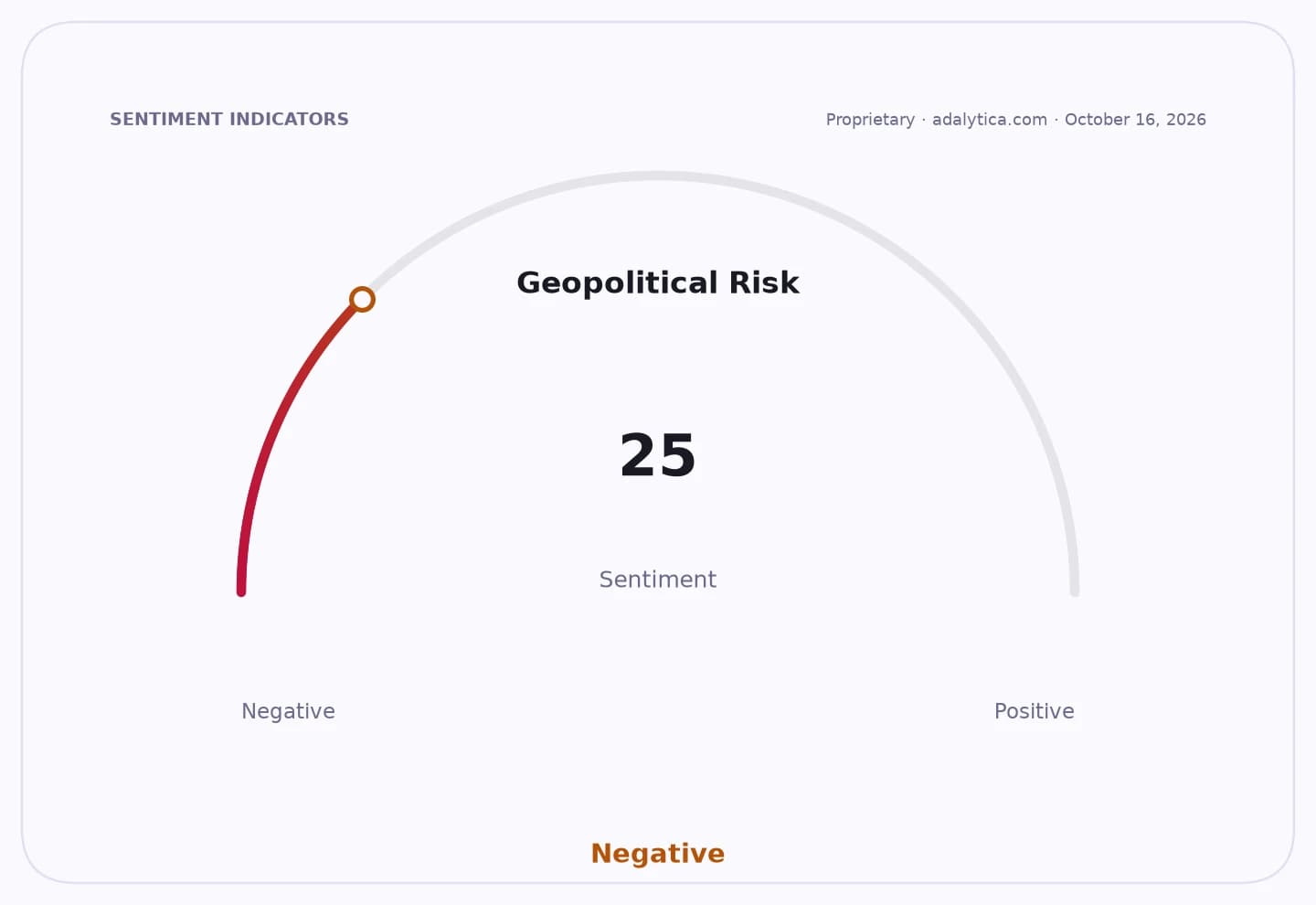
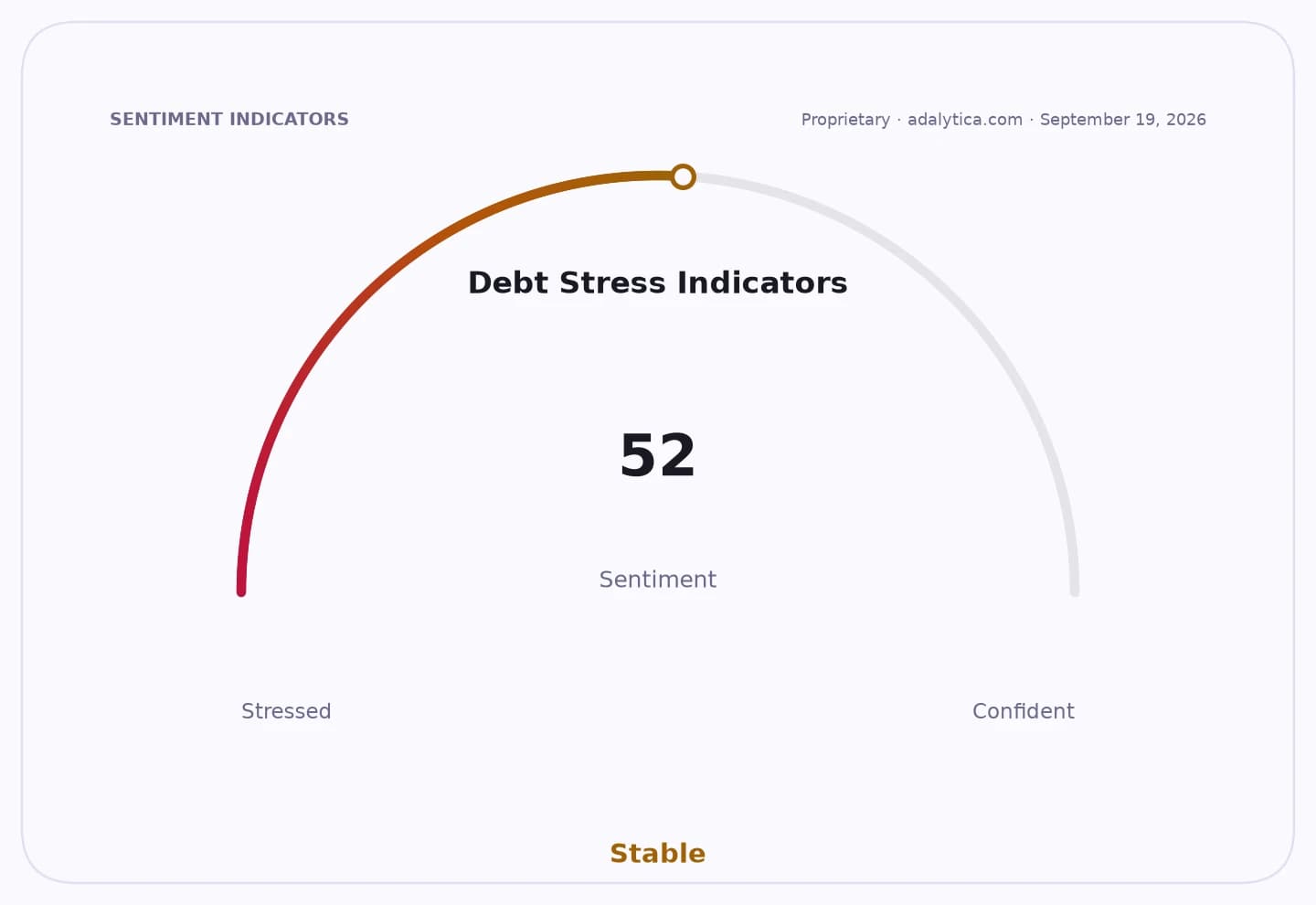
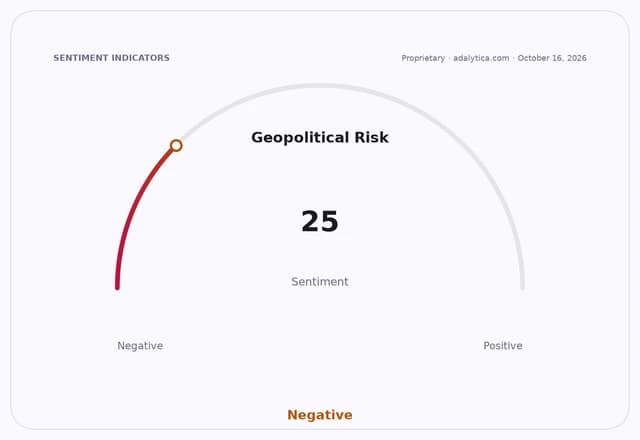
Sentiment IndicatorsⓘProprietary · adalytica.com · October 16, 2026
This is a snapshot — live sentiment, awareness and momentum for 130+ markets update continuously in the dashboard.Open AlphaPulse
For the economy, the figures point to a prolonged squeeze on public finances. Debt service of that magnitude leaves less room for reconstruction, social spending and defense once emergency aid is stripped out. It also implies that even if hostilities ease, Ukraine’s recovery will be shaped by refinancing risk, concessional lending terms and the willingness of official creditors to roll over maturities rather than demand cash repayment.
For investors and creditors, the message is two-sided. On one hand, the long-dated schedule suggests Ukraine is not facing an imminent wall of repayments, which reduces near-term default risk. On the other, the sheer size of the obligation relative to the country’s population and economic base reinforces the view that private holders and official lenders will remain central to any restructuring or support package. That keeps Ukraine sovereign debt tied closely to geopolitical developments, donor policy and IMF-backed financing.
The narrative is less about a new number than about the shape of Ukraine’s balance sheet after years of war: a sovereign that will likely depend on external support for a generation, with the burden of repayment stretching to 2061. Markets will continue to watch whether international backing can keep funding stable enough to avoid a disorderly debt event while allowing Kyiv to finance reconstruction and basic state functions.
| Entity | Gains | Losses |
|---|---|---|
| Official creditors | ▲Seniority and influence | ▼Exposure to long-dated risk |
| Ukraine government | ▲Cash-flow breathing room | ▼Fiscal flexibility |
| Private bondholders | ▲Potential support framework | ▼Recovery uncertainty |
| Taxpayers/residents | ▲Deferred immediate repayment pressure | ▼Long-term burden |