Ukraine’s expanding drone campaign against Russian logistics is forcing the war deeper into Russia’s economy, and that matters because it raises the cost of the conflict for civilians, businesses and ultimately the Kremlin itself.
Ukraine drone strikes hit Russia logistics network

The latest attacks on infrastructure, including warehouses tied to Wildberries — the e-commerce giant often called Russia’s Amazon — highlight a clear shift in strategy. Kyiv is no longer focused only on military targets near the front. It is trying to disrupt the systems that keep Russian commerce moving, from storage and transport to consumer deliveries, while bringing the war closer to the cities and the elite that sustain President Vladimir Putin’s rule.

That is economically important because logistics are the backbone of domestic trade. When warehouses, transport corridors and regional hubs are hit, the damage ripples through supply chains, inventories and consumer access. It also forces businesses to spend more on security, rerouting and repairs at a time when Russia is already absorbing war-related strains. The reported deaths at a Wildberries facility in the Moscow region underscore that the campaign is no longer symbolic. It is imposing real costs on people and companies far from the battlefield.
For investors, the implication is not about a tradeable Russian equity story — it is about the widening gap between apparent wartime resilience and underlying economic fragility. The market tends to price Russia’s war economy as durable because energy exports, state spending and capital controls have kept the system functioning. But attacks on domestic infrastructure expose a different vulnerability: a consumer economy and logistics network under pressure from both sanctions and direct disruption. That raises the risk premium around any assets tied to Russian stability, while reinforcing the case for defense, drones, missile systems and infrastructure-security beneficiaries outside Russia.
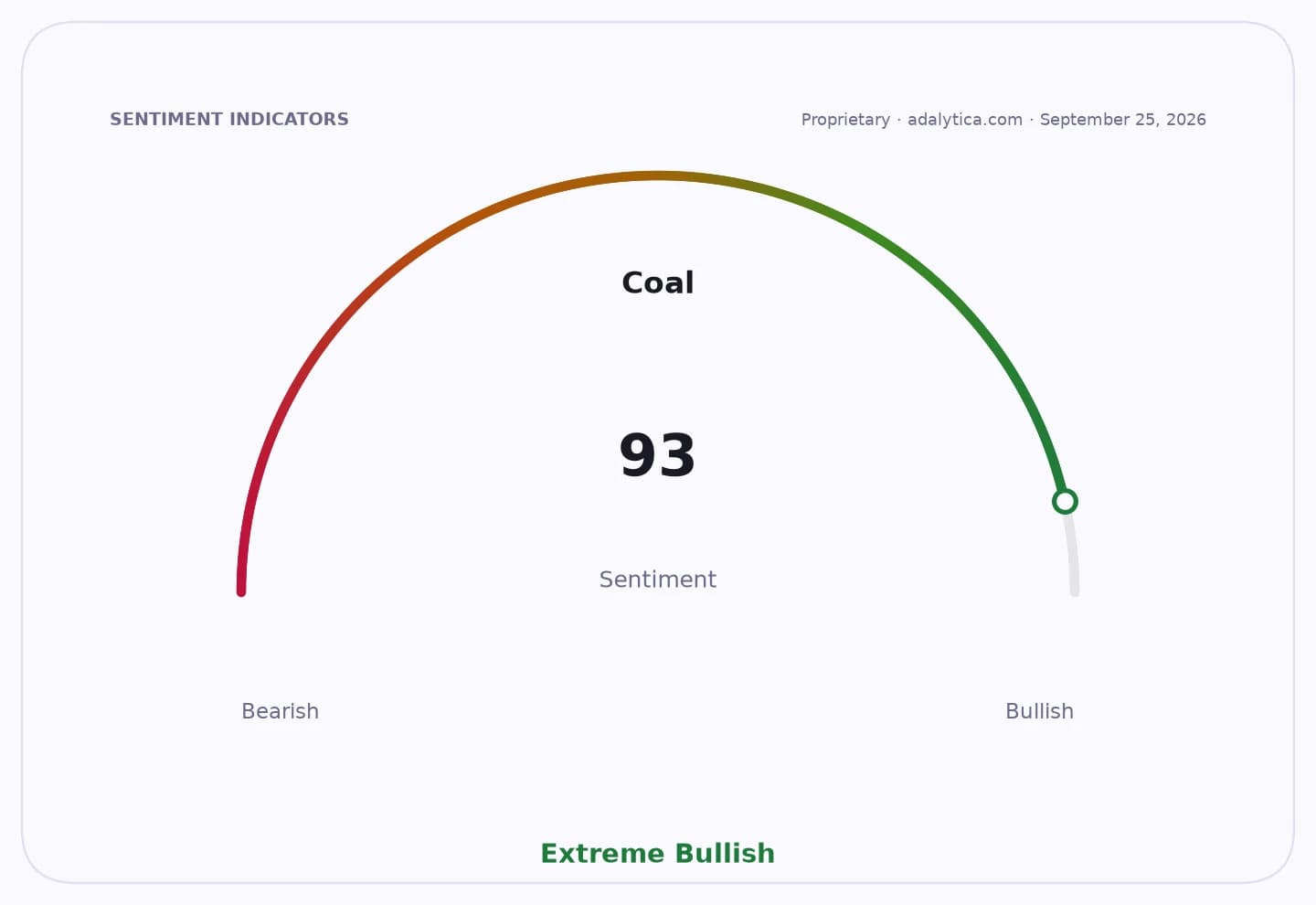
Geopolitical Risk — 30-day sentimentadalytica.com
Explore this data interactively — full history, time series and cross-market comparisons.Open AlphaPulse

The broader narrative is that the war is entering a second economic phase. Initial sanctions were designed to isolate Russia from global finance and technology. Now Ukraine is trying to turn geography itself into a cost center by attacking the internal arteries of Russian commerce. That is exactly the kind of escalation the Kremlin can absorb politically for a while, but not indefinitely without more strain on households, regional supply chains and elite confidence.
The market underestimates how much this shift matters. A war that once looked contained to the front line is increasingly a war of attrition against Russia’s domestic economic base. That favors companies and funds exposed to defense, counter-drone systems, logistics resilience and critical infrastructure hardening, while keeping Russian-linked risk assets structurally unattractive.
| Entity | Gains | Losses |
|---|---|---|
| Ukraine | ▲Pressure on Russia’s home front | ▼Higher escalation risk |
| Russian consumers | ▲None | ▼Supply disruptions, insecurity |
| Wildberries and logistics firms | ▲None | ▼Warehouse losses, higher security costs |
| Defense and counter-drone suppliers | ▲Higher demand | ▼None |