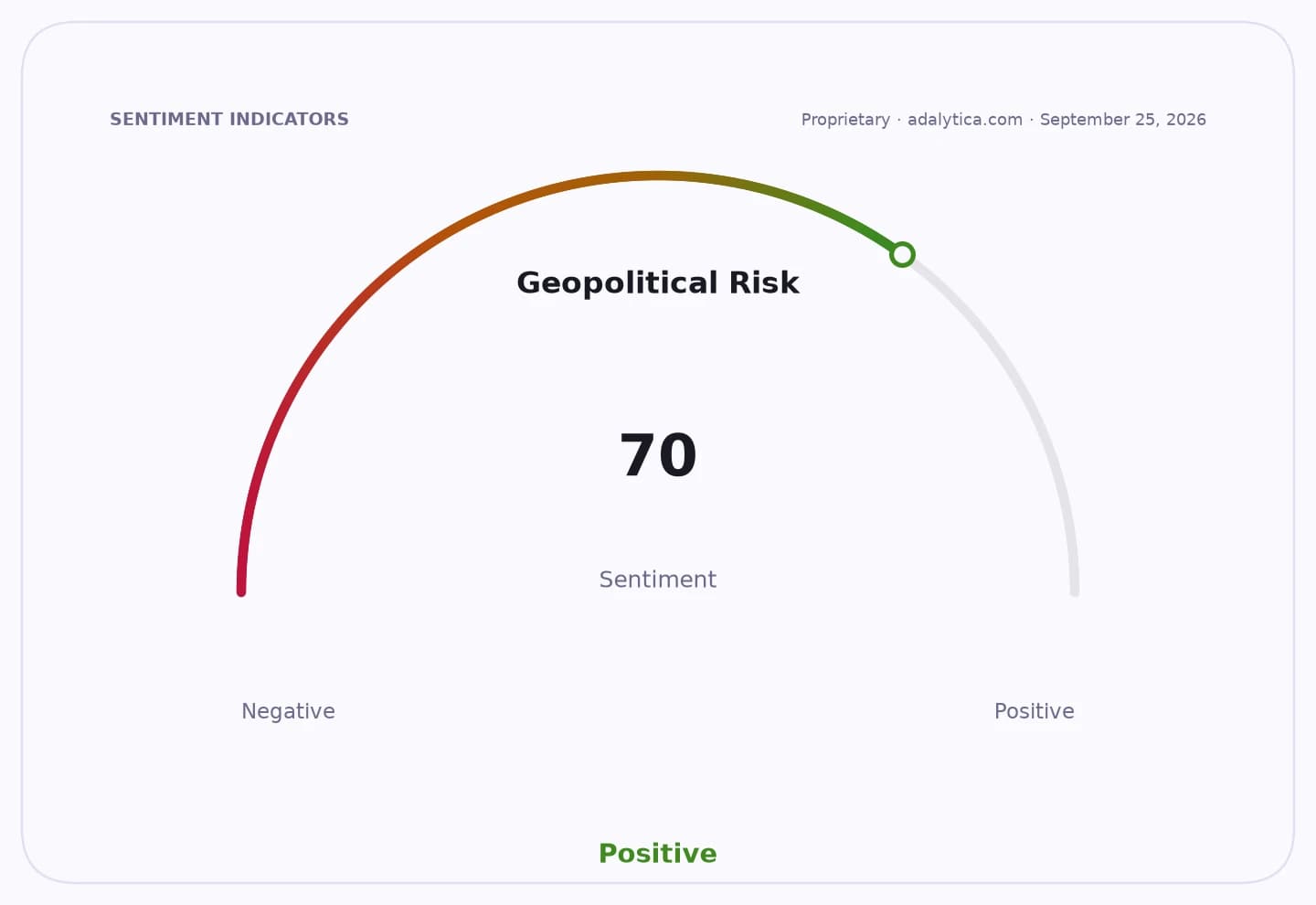
Ukraine’s central bank has loosened foreign-exchange rules, allowing businesses and individuals to buy up to four times more currency in a move designed to keep commerce moving as Europe channels another €1.4 billion in aid from frozen Russian assets into Kyiv’s war economy.
Ukraine central bank loosens FX rules as EU sends €1.4 billion
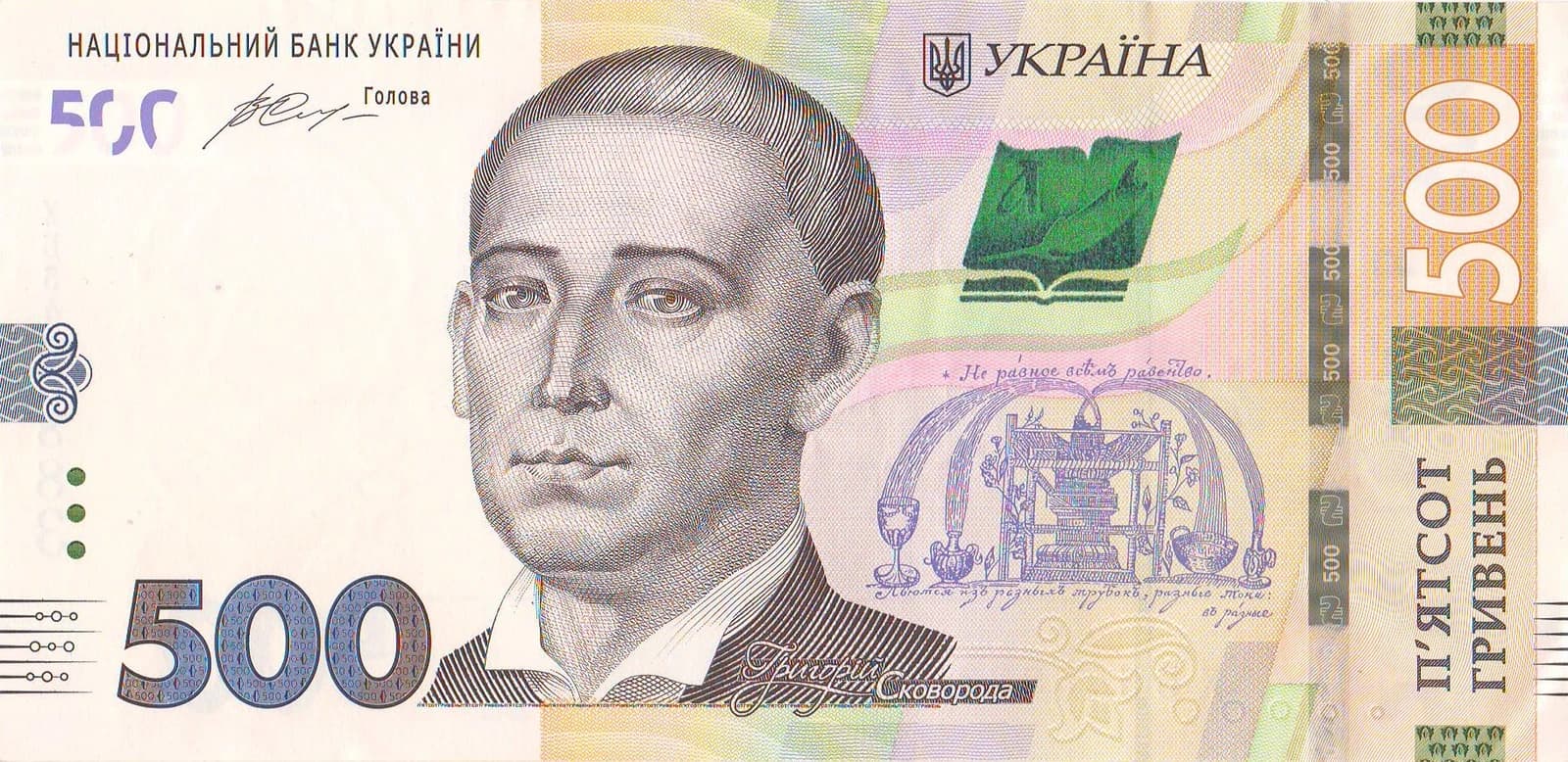
The change matters because foreign-currency access is not a technical detail in Ukraine right now — it is a pressure valve. Firms need dollars and euros to pay for imports, energy equipment and wartime logistics, while households and smaller businesses are trying to preserve working capital in an economy still shaped by missile strikes, power shortages and capital controls. Easing those restrictions can help unclog trade and support confidence without forcing the central bank to burn through scarce reserves.
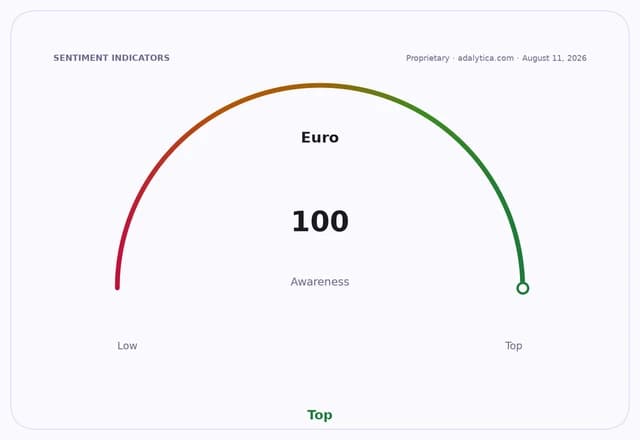
Sentiment IndicatorsⓘProprietary · adalytica.com · August 11, 2026
This is a snapshot — live sentiment, awareness and momentum for 130+ markets update continuously in the dashboard.Open AlphaPulse
That makes the policy shift economically significant even if it looks modest on paper. By widening access to currency, the National Bank of Ukraine is signaling that it wants to support activity and reduce distortions in the domestic economy, not just defend the hryvnia at all costs. For a country where external financing is the difference between stability and stress, the move fits a broader pattern: international support is increasingly being converted into immediate liquidity, especially for energy and reconstruction needs.
The EU’s new €1.4 billion transfer, drawn from interest on frozen Russian assets, reinforces that backdrop. It underscores that Ukraine’s funding base is not only coming from standard budget aid and loans, but from a sanctions-linked revenue stream that can be recycled into resilience spending. Additional contributions to the Ukraine Energy Support Fund, including money from Luxembourg, point to the most vulnerable part of the economy: power infrastructure. In wartime Ukraine, energy spending is not cyclical capex; it is a survival trade.
For investors, the important point is that this is not a normal FX liberalization story. It is a war-finance story with second-order winners and losers. Companies tied to imports, logistics, industrial supply and energy equipment gain if currency access improves and payment bottlenecks ease. Exporters with hard-currency earnings may face less immediate pressure to convert proceeds domestically, but they also benefit from a more orderly foreign-exchange market and lower administrative friction. Banks and payment processors could see steadier transaction flows if demand for currency no longer has to be rationed so tightly.
The market underestimates how these incremental policy adjustments compound. When a central bank relaxes currency rules while external support arrives through EU channels, it is effectively trying to stabilize expectations ahead of deeper reconstruction spending. That can matter for everything from inflation to working-capital demand to how quickly businesses restart investment in energy, transport and imported machinery.
The investment takeaway is straightforward: in Ukraine, liquidity is policy, and policy is survival. The next winners are likely to be the companies and sectors that facilitate imports, move capital efficiently and rebuild critical infrastructure as donor money and wartime demand continue to flow.
| Entity | Gains | Losses |
|---|---|---|
| Ukrainian importers | ▲Easier access to FX | ▼Currency rationing |
| Banks and payment firms | ▲Higher transaction flow | ▼Administrative friction |
| Energy and infrastructure suppliers | ▲More funding and purchases | ▼Delayed projects |
| Hryvnia holders | ▲More orderly market | ▼FX scarcity premiums |