Russia said President Volodymyr Zelensky’s vow of a 40-day operation against Moscow is now rebounding on Ukraine, as intensified air strikes deepen damage to the country’s cities, industry and power system.
Ukraine strikes, Russia air attacks hit grid and cities
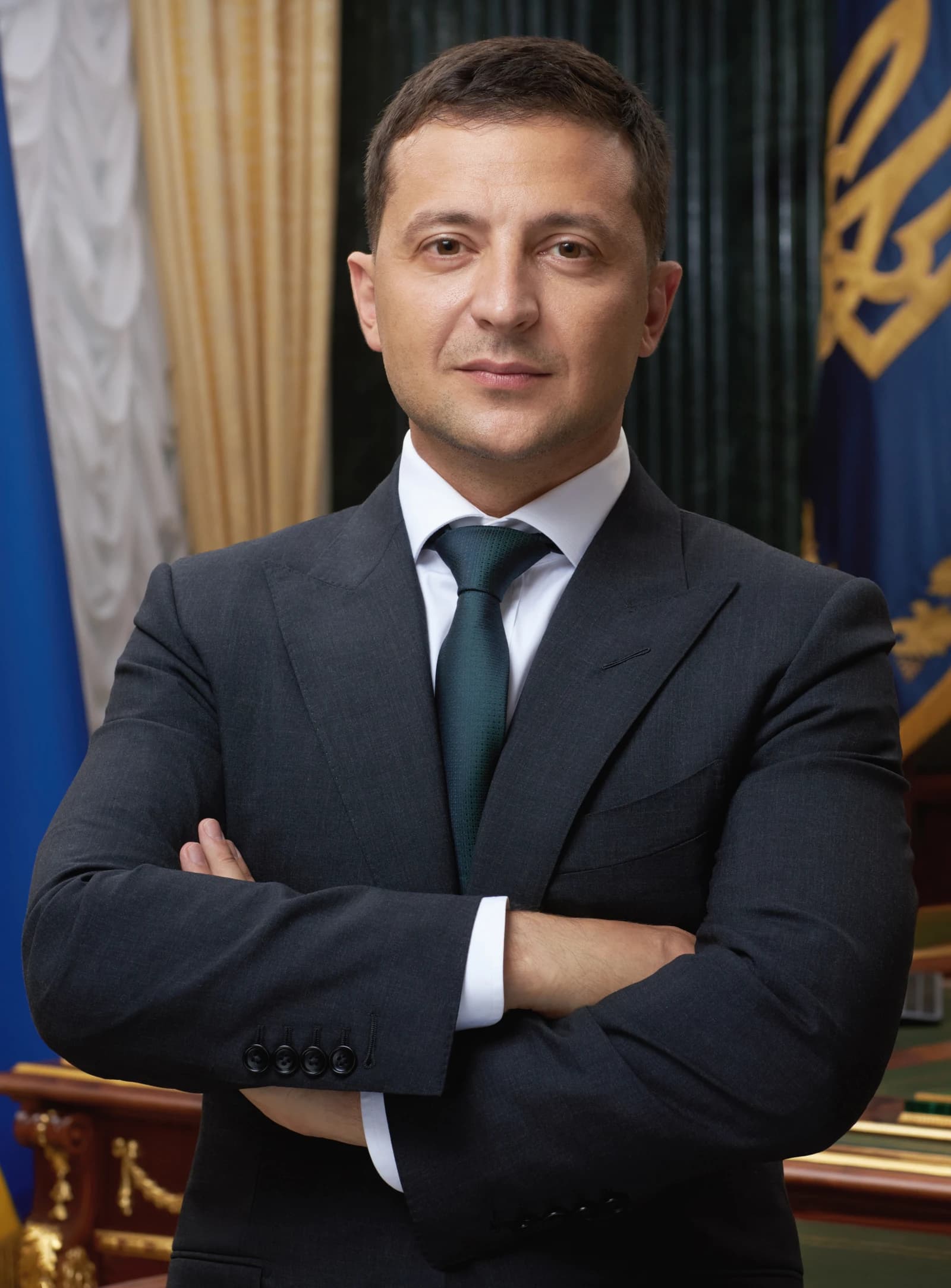
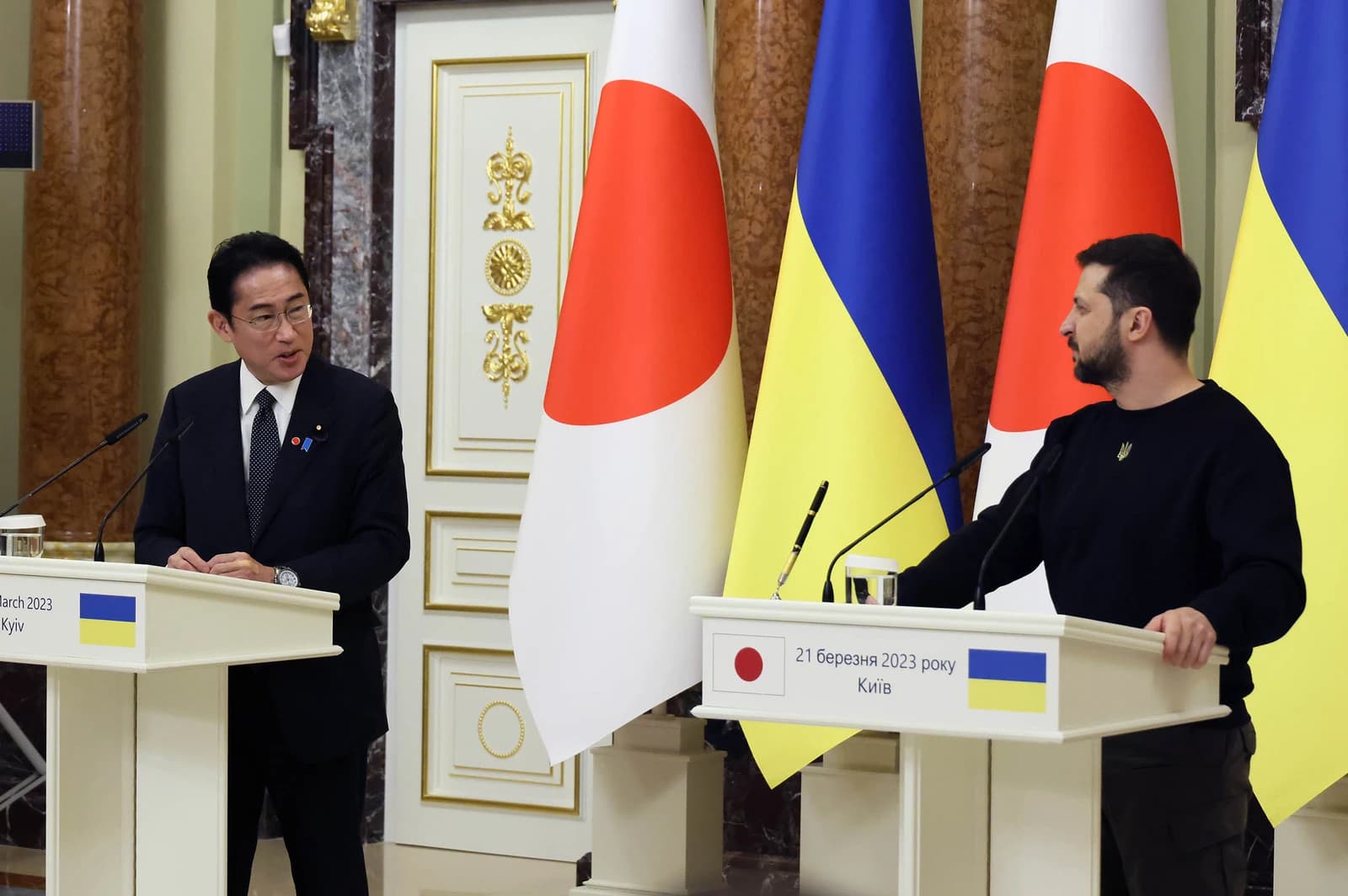
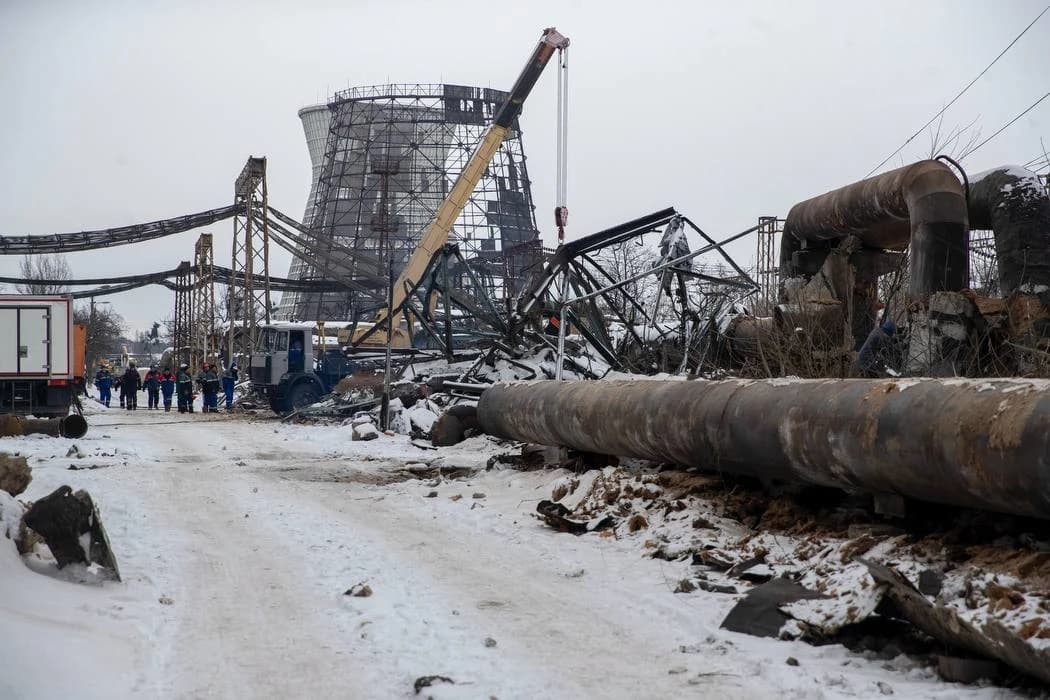
Kremlin spokesman Dmitry Peskov told reporters the “40 days” Zelensky had announced are “now coming back” against Kyiv, saying the consequences are being felt by residents, the industrial sector and the wider Ukrainian economy. The remarks come after Zelensky accused Russia of some of its “most vile” attacks, said at least 25 people had been killed and reported major damage to the power grid.
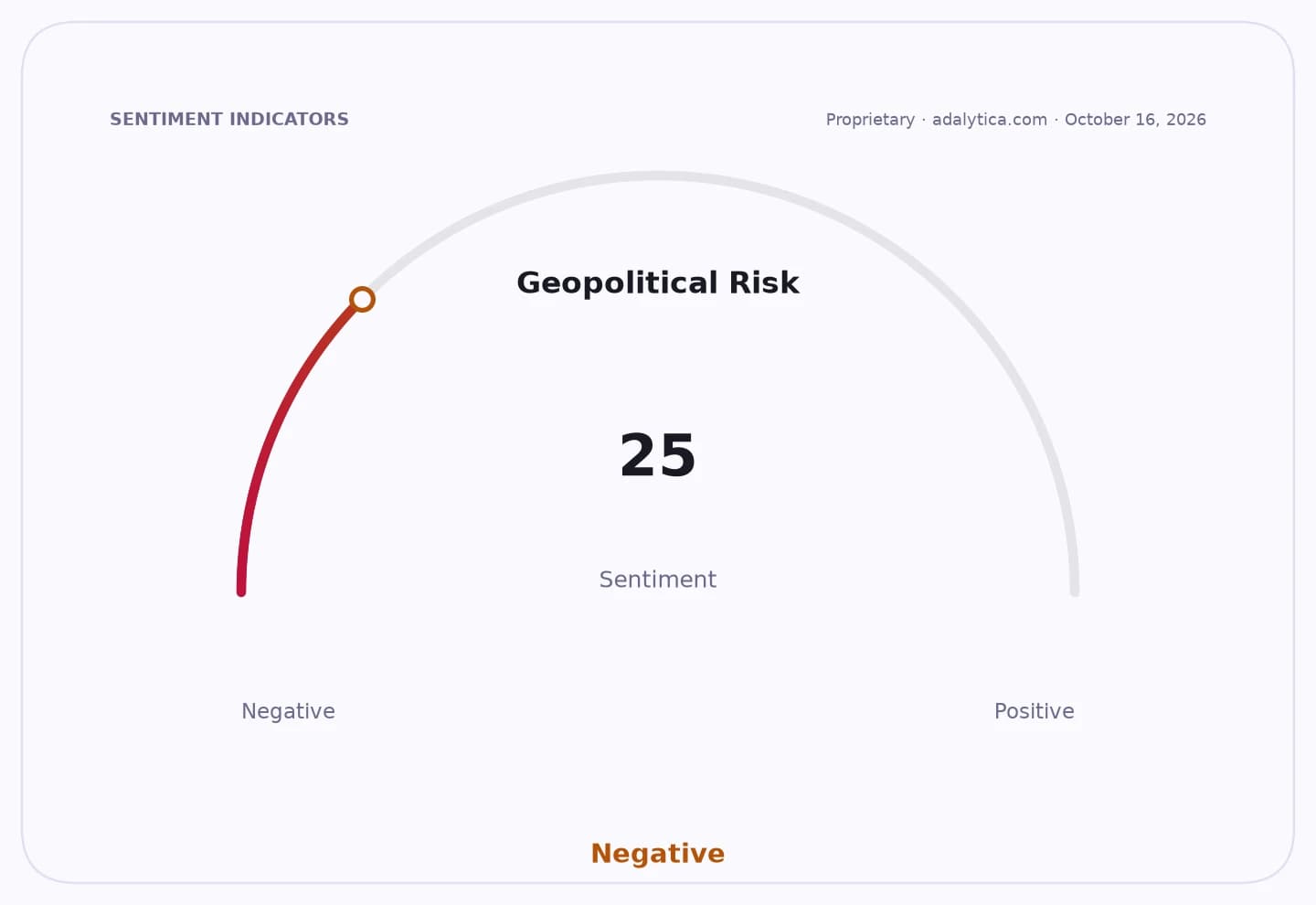
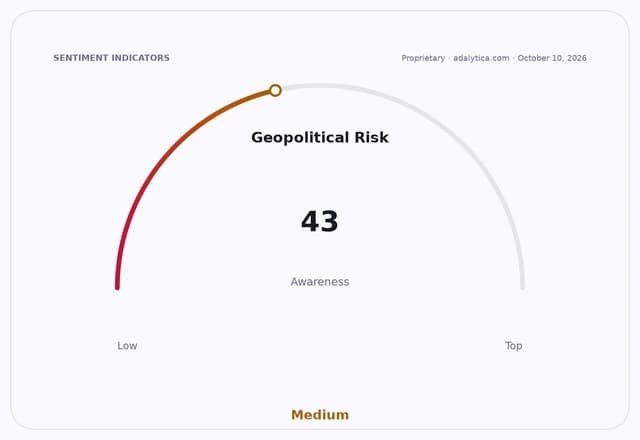
Sentiment IndicatorsⓘProprietary · adalytica.com · October 10, 2026
This is a snapshot — live sentiment, awareness and momentum for 130+ markets update continuously in the dashboard.Open AlphaPulse
The exchange underscores how the war is increasingly being fought through infrastructure attrition as much as battlefield movement. Power generation, transmission lines and industrial plants are among the highest-value targets because they affect civilian morale, manufacturing capacity and the state’s fiscal burden. For Ukraine, repeated strikes raise reconstruction costs and keep pressure on economic output at a time when emergency financing and military aid remain critical.
For investors and markets, the direct read-through is not to Ukrainian assets — which remain dominated by war risk — but to commodities and broad risk sentiment. Energy markets are particularly sensitive to any escalation that threatens supply routes or widens the conflict, while gold typically benefits when geopolitical risk spikes. In the latest moves, gold has recovered from a sharp early-month selloff and was still trading above key shorter-term technical levels, while US oil prices have stabilized after a volatile run and sit near their 50-day moving average.
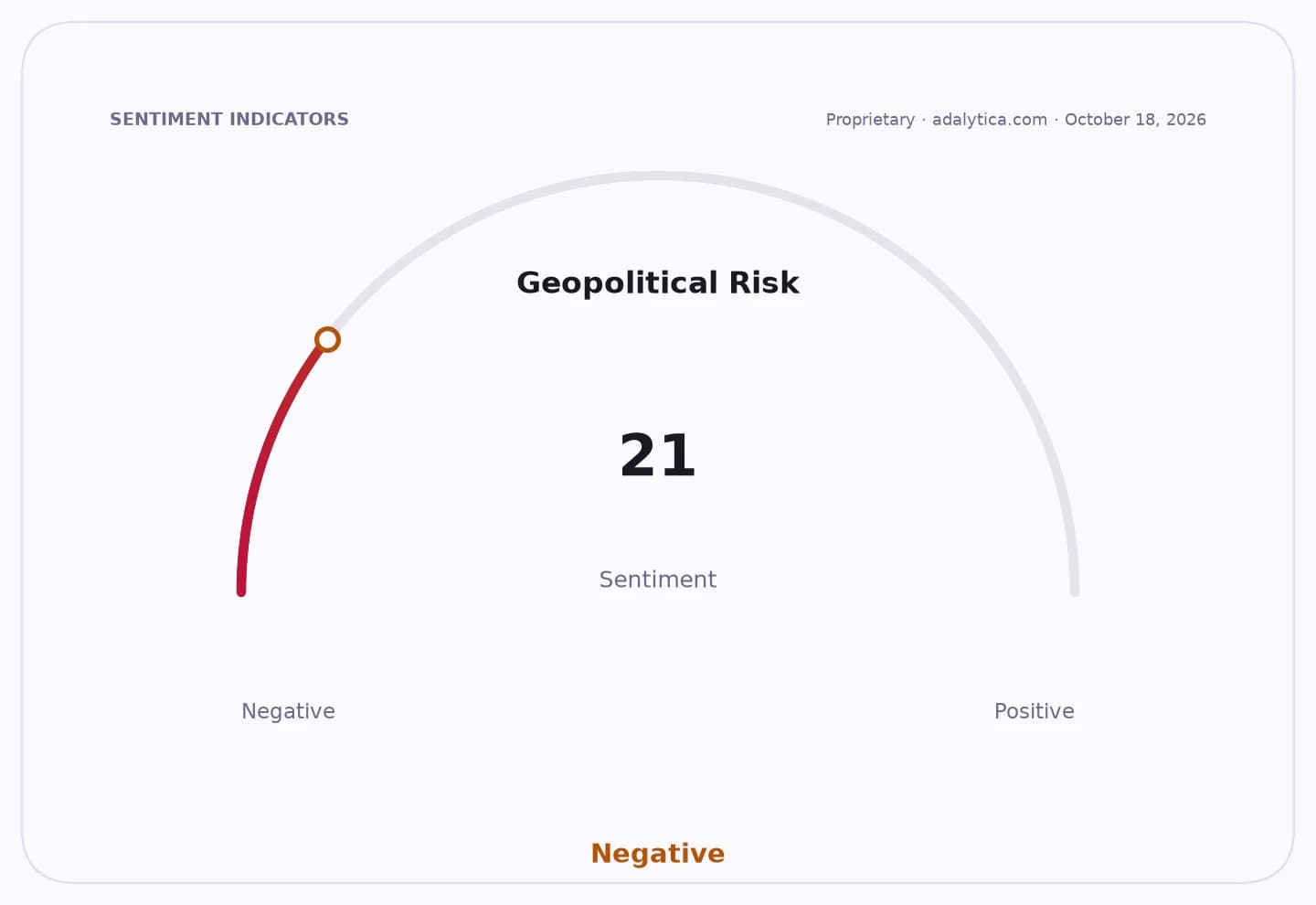
Geopolitical Risk — 30-day sentimentadalytica.com
Explore this data interactively — full history, time series and cross-market comparisons.Open AlphaPulse
The rhetoric also points to a familiar wartime dynamic: each side is framing the other’s escalation as justification for its own. Zelensky has argued that Russian strikes are part of a deliberate campaign against civilians and critical infrastructure, while Moscow is portraying Ukraine’s threats as evidence of “terrorist” intent. That narrative battle matters because it shapes foreign support, sanctions pressure and the willingness of Western governments to sustain military and financial assistance.
The near-term market focus will be on whether the latest strikes trigger another round of Western pledges for air defense, grid repair and long-range capabilities, or whether the conflict escalates enough to jolt energy prices and safe-haven demand more broadly. For now, the story is less about any single statement than about a war moving deeper into the infrastructure of the Ukrainian economy.
| Entity | Gains | Losses |
|---|---|---|
| Ukraine government | ▲Western sympathy, aid appeals | ▼Grid damage, economic strain |
| Russia/Kremlin | ▲Narrative leverage | ▼Sanctions and escalation risk |
| Gold holders | ▲Safe-haven demand | ▼If tensions ease |
| Oil producers | ▲Geopolitical premium | ▼If conflict-related risk fades |