Ukraine and Russia are moving deeper into a long-range infrastructure war that is raising civilian losses, threatening winter power supplies and lifting the geopolitical risk premium across energy markets and defense spending.
Ukraine Russia infrastructure war hits energy markets

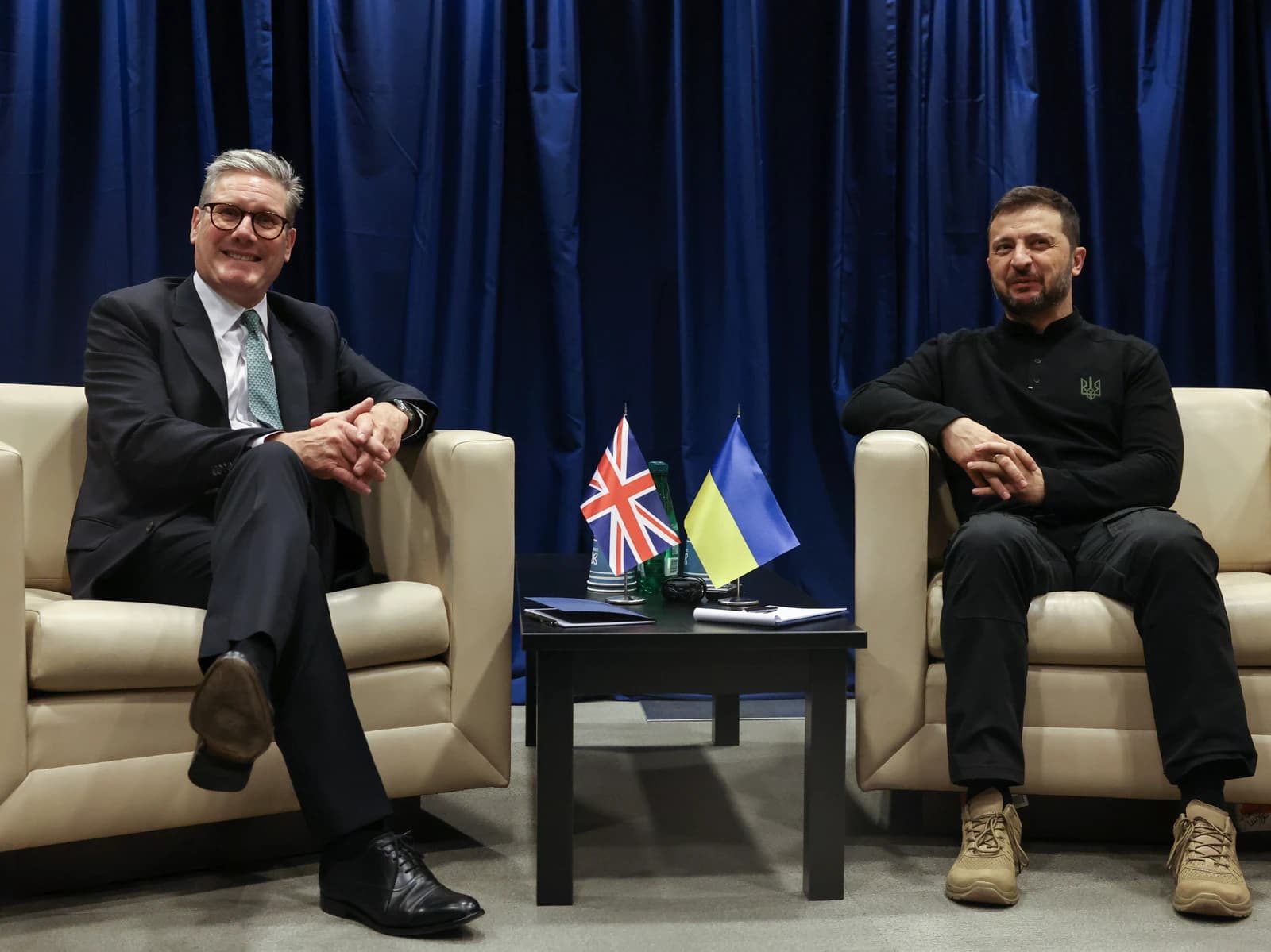
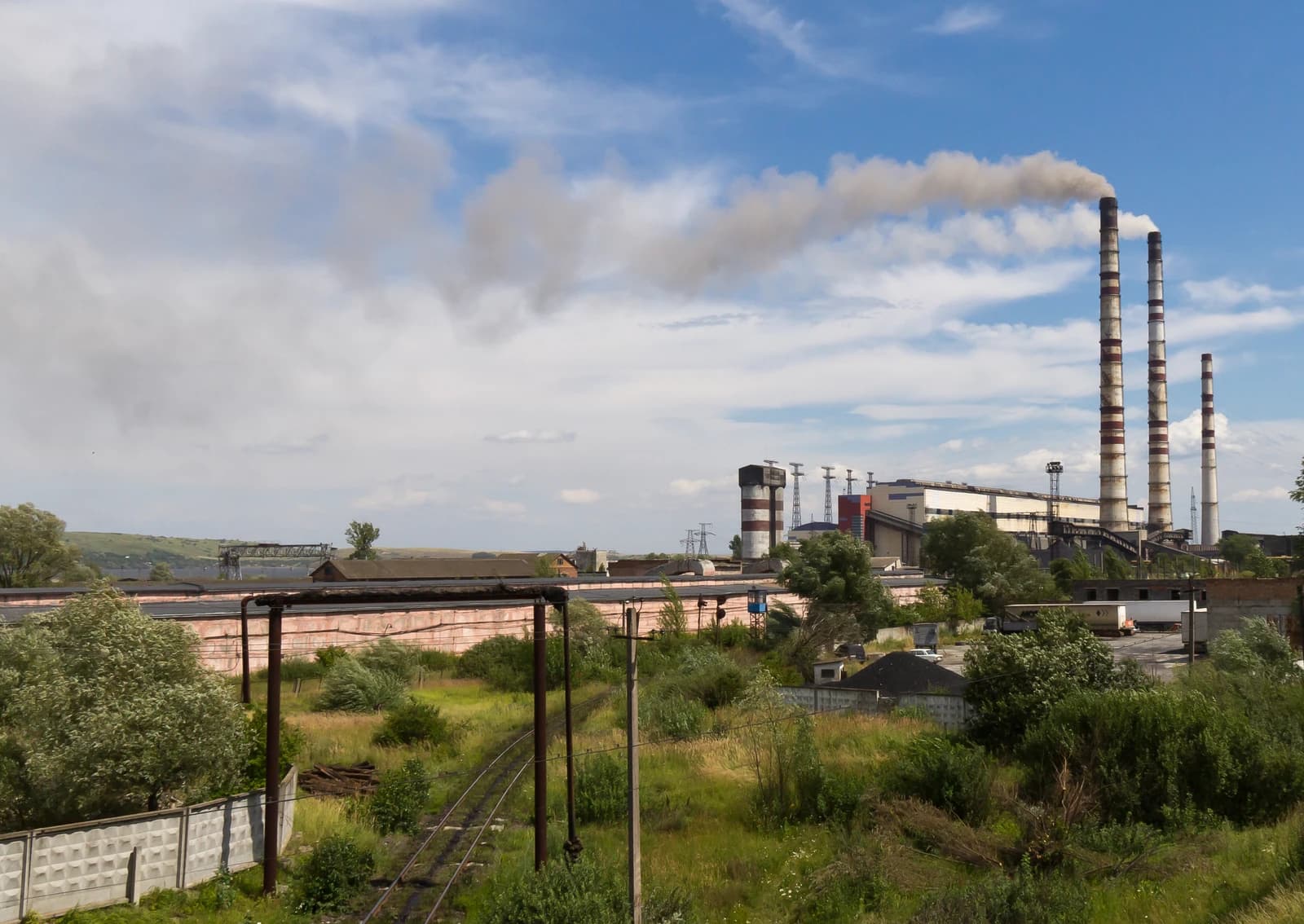
Volodymyr Zelenskyy’s defence technology adviser Serhii Beskrestnov said neither side can secure a decisive victory if the conflict continues in its current form, warning that the destruction of electricity, water, heating and transport networks will leave both economies damaged even if one side gains battlefield advantages. His message matters because it underlines a shift in the war’s economic center of gravity: away from territorial gains on the front line and toward attacks on the systems that keep cities functioning.
That shift carries immediate consequences for Ukraine’s winter resilience and for investors watching commodities, European risk assets and defense suppliers. Beskrestnov said Russia is producing more than 100 high-speed ballistic missiles a month and is preparing mass strikes on energy facilities, while Ukraine remains short of U.S.-made Patriot interceptors, the main defense against ballistic missiles. He said Kyiv may need to consider evacuating elderly civilians if power networks are badly hit.
At the same time, Kyiv is trying to scale up its own deep-strike campaign. Beskrestnov said Ukraine wants to lift attacks on Russian targets to 1,000 a day from about 300, aiming at factories, warehouses, oil refineries and airports. That strategy is already hitting Russia’s commercial aviation and fuel system, and it feeds into a wider economic confrontation in which energy infrastructure has become a direct target rather than collateral damage.
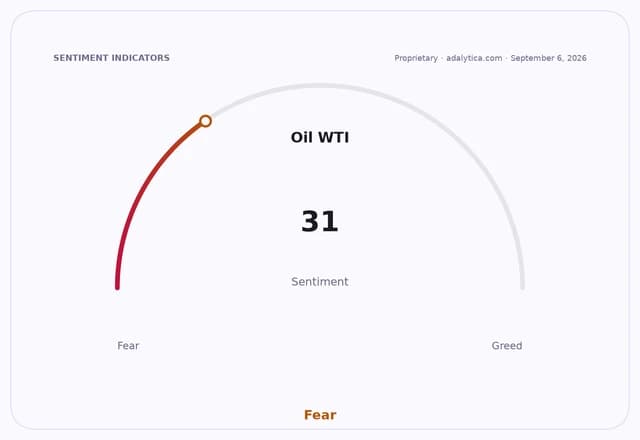
Oil WTI — 30-day sentimentadalytica.com
Explore this data interactively — full history, time series and cross-market comparisons.Open AlphaPulse
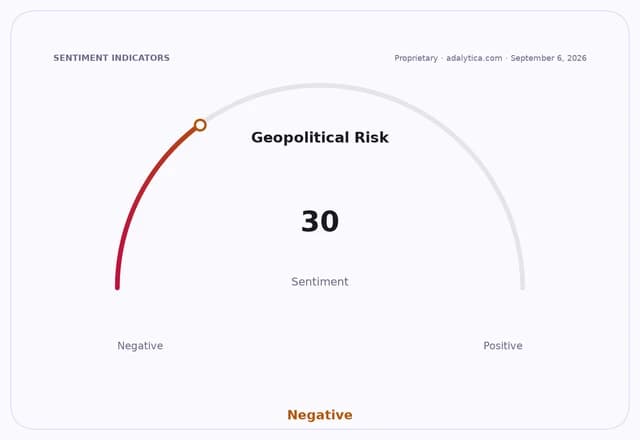
For markets, the risk is a further squeeze on oil supply and an added layer of volatility in Europe’s broader stability outlook. WTI crude, tracked by USO, has climbed sharply, with the ETF closing at 141.96 on Sept. 4 and trading well above its 50-day and 200-day moving averages, while its RSI reading near 70 suggests the move is stretched by conventional technical standards. Gold, through GLD, remains near elevated levels as investors retain a hedge against geopolitical shocks, even as the fund trades below its 200-day average. European energy equities, reflected in XLE, have also rallied, consistent with the market’s instinct to price in persistent disruption rather than a quick resolution.
The escalation also highlights a technology race that could change the balance of the air war. Beskrestnov said Russia is testing AI-guided drones and faster jet-powered Shaheds made with Chinese components, potentially reducing the effectiveness of Ukraine’s jamming systems. Moscow fired 2,500 jet-powered Shaheds in August, up from 1,500 in July, and he said it plans to produce tens of thousands more in 2027. Ukraine, meanwhile, is working on autonomous interceptors, but Beskrestnov said its own systems are not yet ready for full production.
For investors, the bull case is that higher oil prices, rising defense demand and stronger spending on interception and drone technology continue to support energy producers, aerospace suppliers and cybersecurity-linked industrial names. The bear case is that a prolonged infrastructure war damages regional growth, keeps European risk sentiment fragile and raises the odds of fresh disruption to refining, shipping and power grids. The conflict is increasingly less about who holds a trench line and more about who can absorb the cost of keeping a modern state running under fire.
With winter approaching, the key catalysts are Russia’s next wave of strikes, Ukraine’s ability to secure more Patriot interceptors and whether either side’s drone production scale changes the economics of the war. For now, the message from Kyiv is that neither side is close to winning outright — and both are getting poorer the longer it goes on.
| Entity | Gains | Losses |
|---|---|---|
| Russia | ▲pressure on Ukraine’s grid | ▼sanctions risk and war costs |
| Ukraine | ▲deeper-strike leverage | ▼civilian safety and power supply |
| Energy producers | ▲higher geopolitical premium | ▼supply disruption risk |
| Air defense suppliers | ▲stronger demand for interceptors | ▼stockpiles and production bottlenecks |