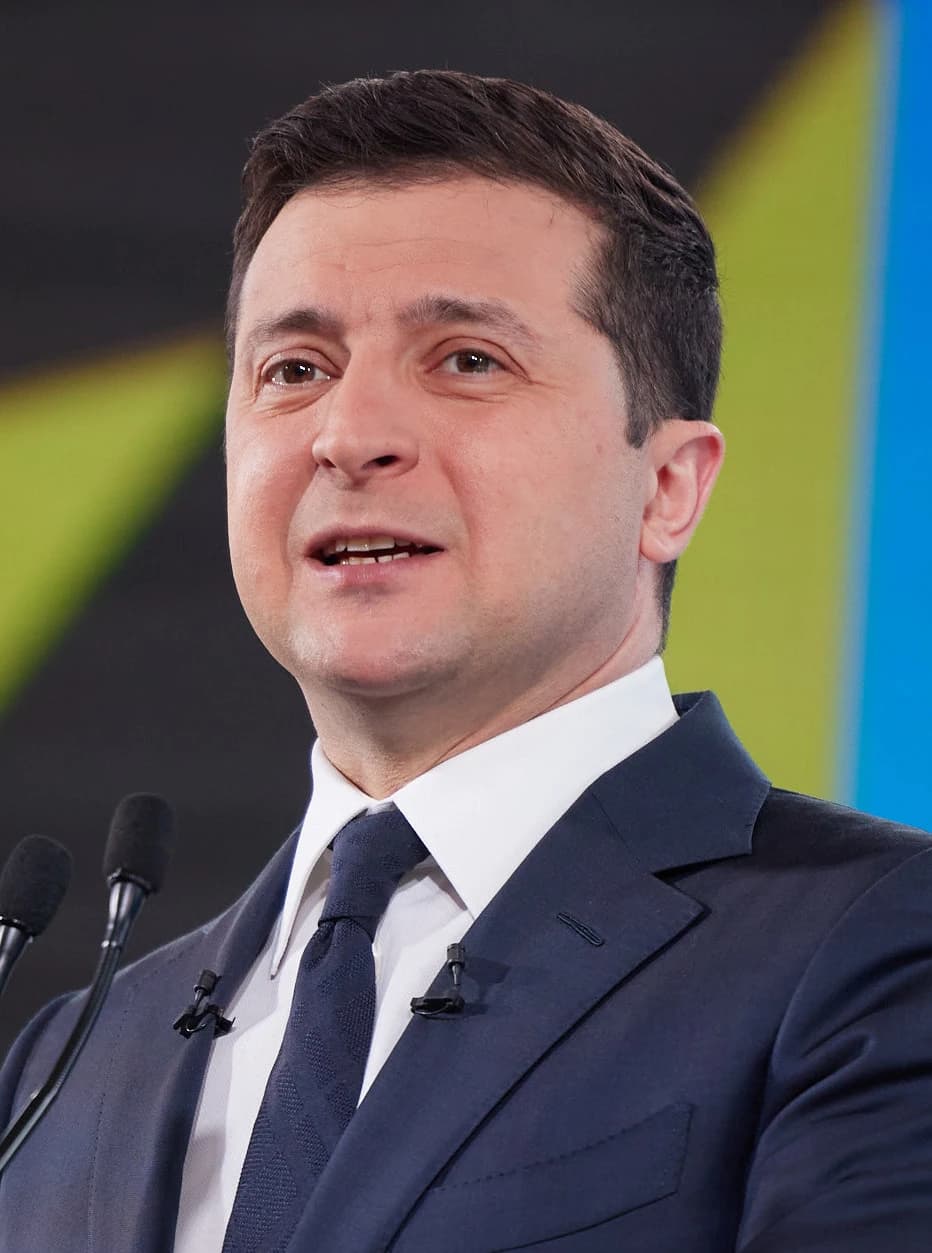
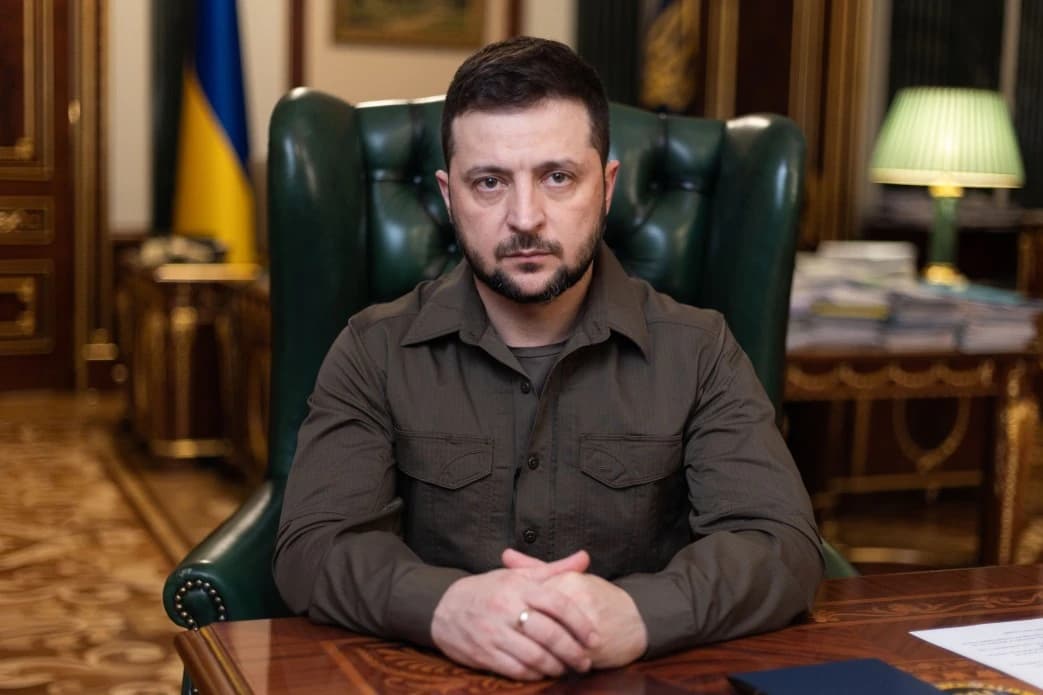
Ukraine’s President Volodymyr Zelensky said a meeting involving Russian, Ukrainian and American representatives will take place in November, a sign that diplomatic efforts to revive stalled peace talks are moving back onto the agenda after months of deadlock.
Ukraine, Russia, U.S. Plan November Peace Talks
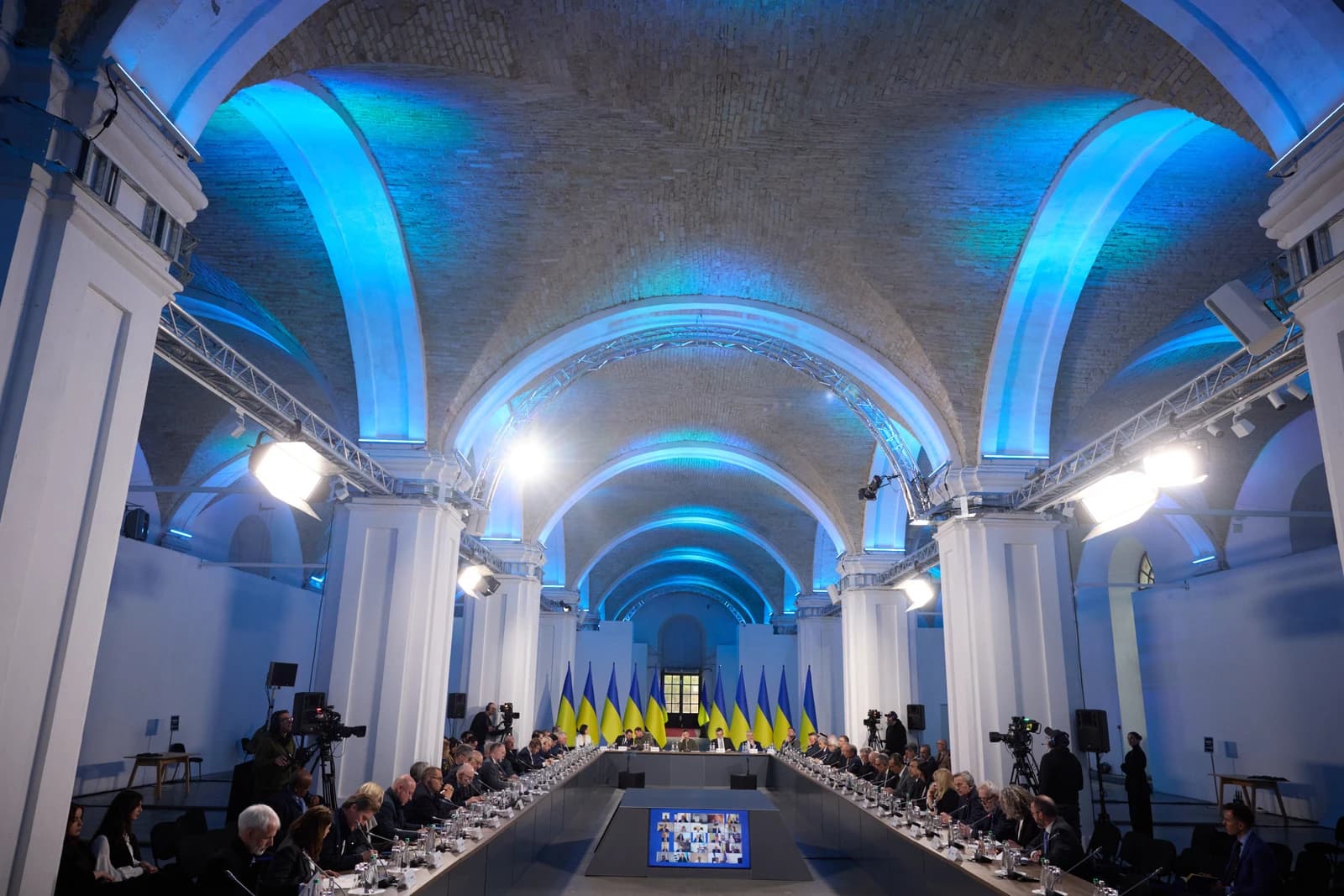
The comments matter economically because any credible path toward negotiations would affect the war premium embedded in energy, defense and safe-haven assets, while also shaping expectations for European growth, winter fuel security and the scale of future military spending. Zelensky said territorial issues would have to be handled “at the level of leaders,” while other questions could be worked through by technical groups, underscoring how far apart the sides remain even as talks resume.
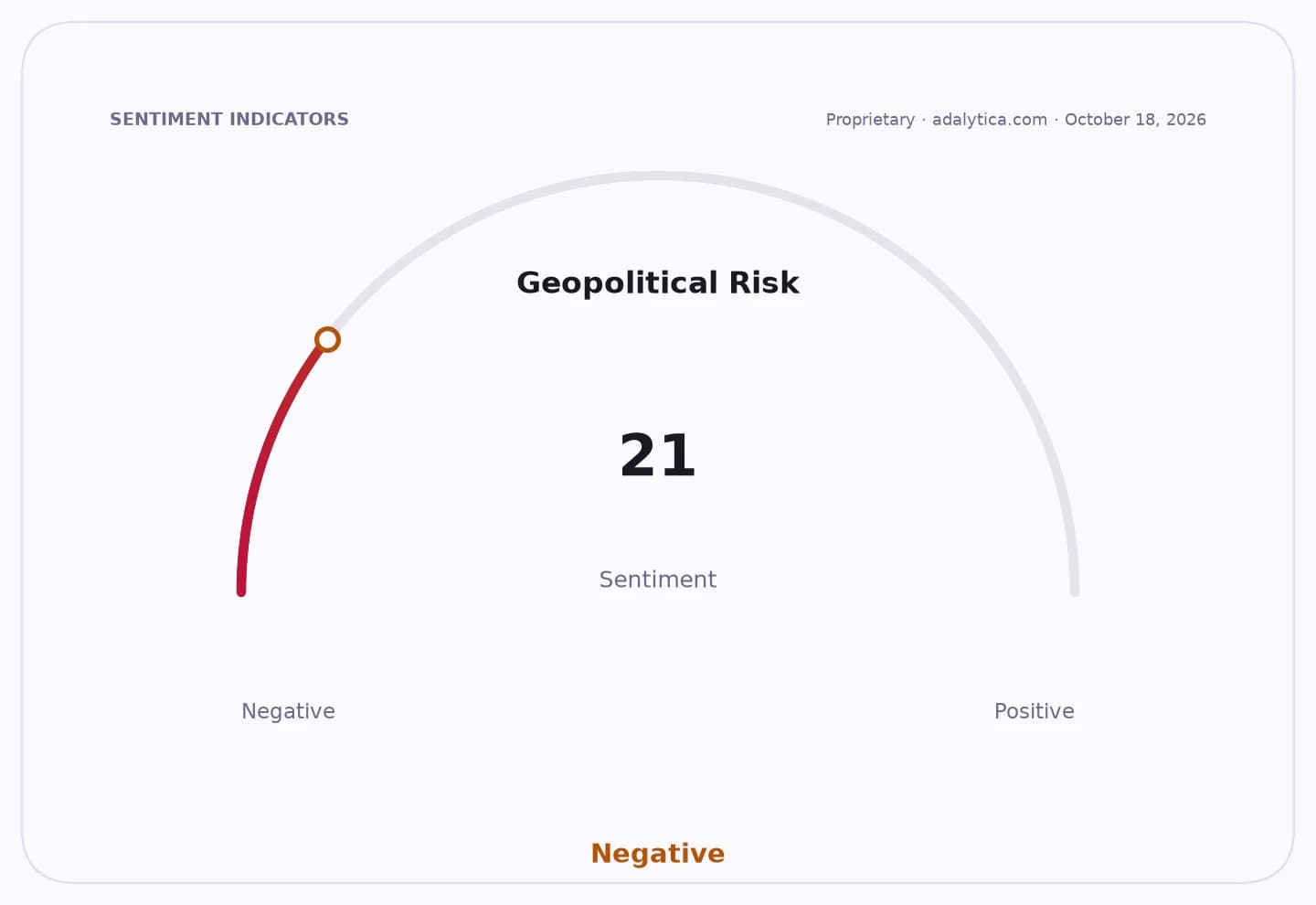
Sentiment Indicators
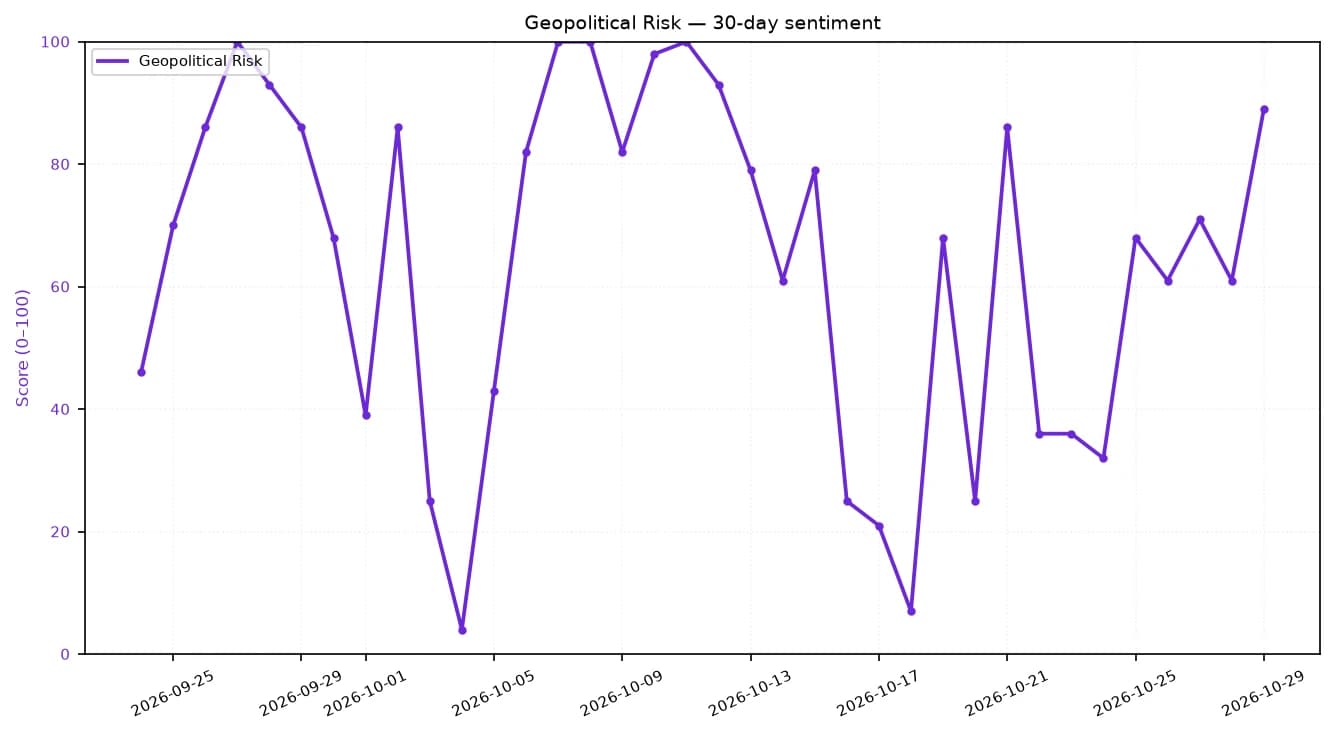
For investors, the immediate significance is less about a near-term breakthrough than about the prospect of reduced tail risk. The geopolitical risk gauge from Adalytica shows global stability sentiment at 93, or “Extreme Greed,” while awareness remains in “Extreme Fear,” suggesting markets are highly attuned to the diplomacy but still treating the outcome as uncertain. That tension has already filtered into assets: gold has fallen sharply, with GLD down to $355.78 on Oct. 30 from $373.51 two days earlier, while the dollar-tracking UUP has held near 29.0, reflecting a market still balancing risk reduction against the possibility of renewed volatility.
The broader backdrop is one of fragile, stop-start diplomacy. Trump has also flagged progress in peace efforts, but Russian demands remain heavy and European officials have warned that a harsh winter could harden positions rather than soften them. The news therefore points to an opening in the diplomatic calendar, not a settlement.
Geopolitical Risk — 30-day sentimentadalytica.com
Explore this data interactively — full history, time series and cross-market comparisons.
For markets, the key question is whether November talks produce a structured negotiating track or merely extend the current pause. A meaningful thaw would pressure defense names and support European risk assets, while failure would likely restore demand for havens and keep the war-related premium embedded in energy, metals and security stocks.
| Entity | Gains | Losses |
|---|---|---|
| Ukraine, Russia, U.S. negotiators | ▲Diplomatic leverage | ▼Little if talks stall |
| Gold and safe-haven assets | ▲Lower war premium if talks progress | ▼Haven demand if talks fail |
| Defense contractors | ▲Continued conflict and rearmament spending | ▼Peace-track progress and budget reprioritization |
| European risk assets | ▲Relief from lower geopolitical risk | ▼Renewed escalation and energy stress |