Ukrainian strikes on Russian warehouses are rippling beyond the battlefield, disrupting commerce in neighboring Kyrgyzstan and underscoring how the war is increasingly hitting logistics, trade routes and industrial supply chains across the region.
Ukraine strikes on Russian warehouses disrupt trade

The economic significance is broader than the immediate military damage. Warehouses are nodes in the regional movement of goods, so attacks that force rerouting, delay shipments or raise insurance and security costs can quickly squeeze merchants, transport operators and import-dependent economies.
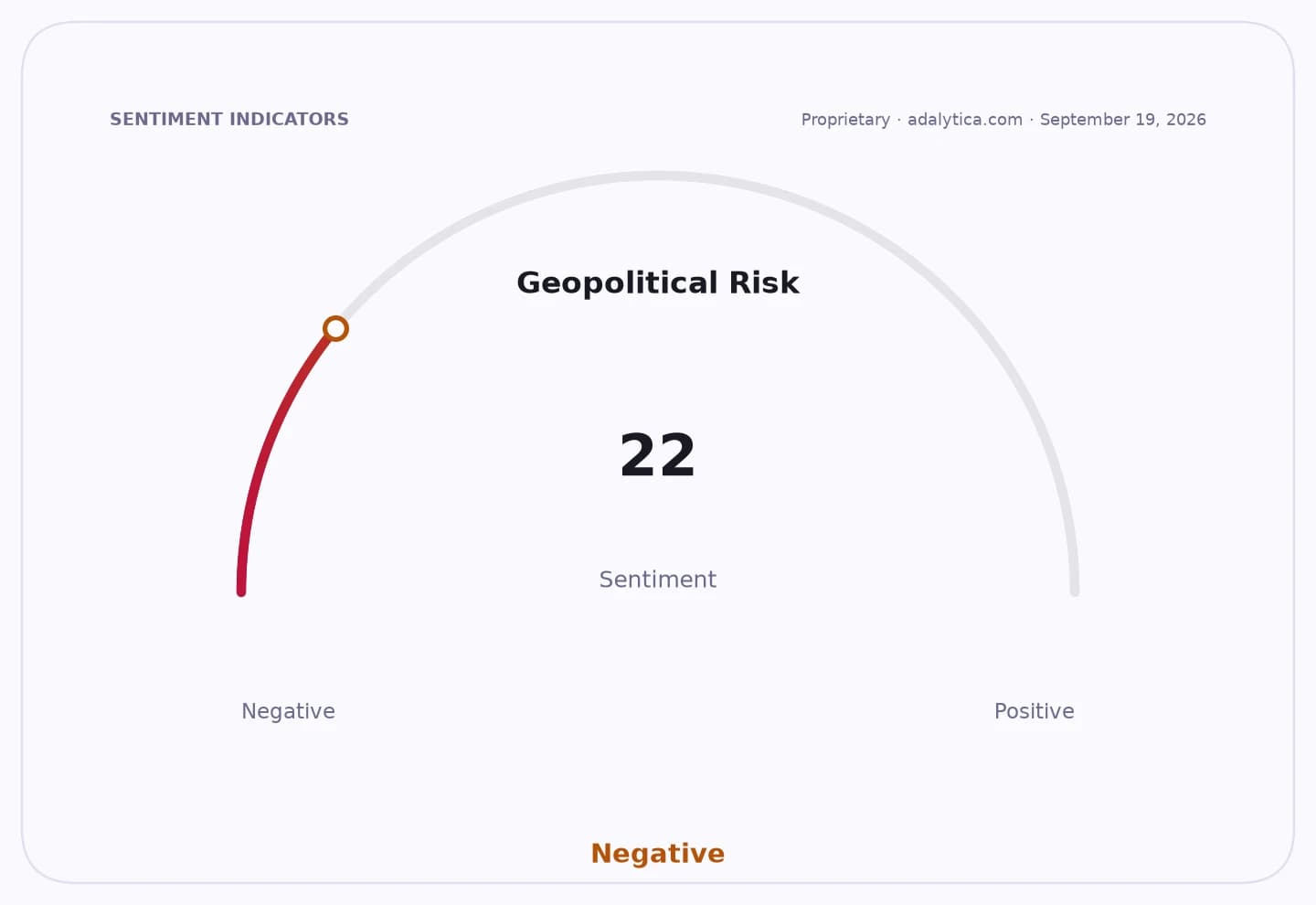
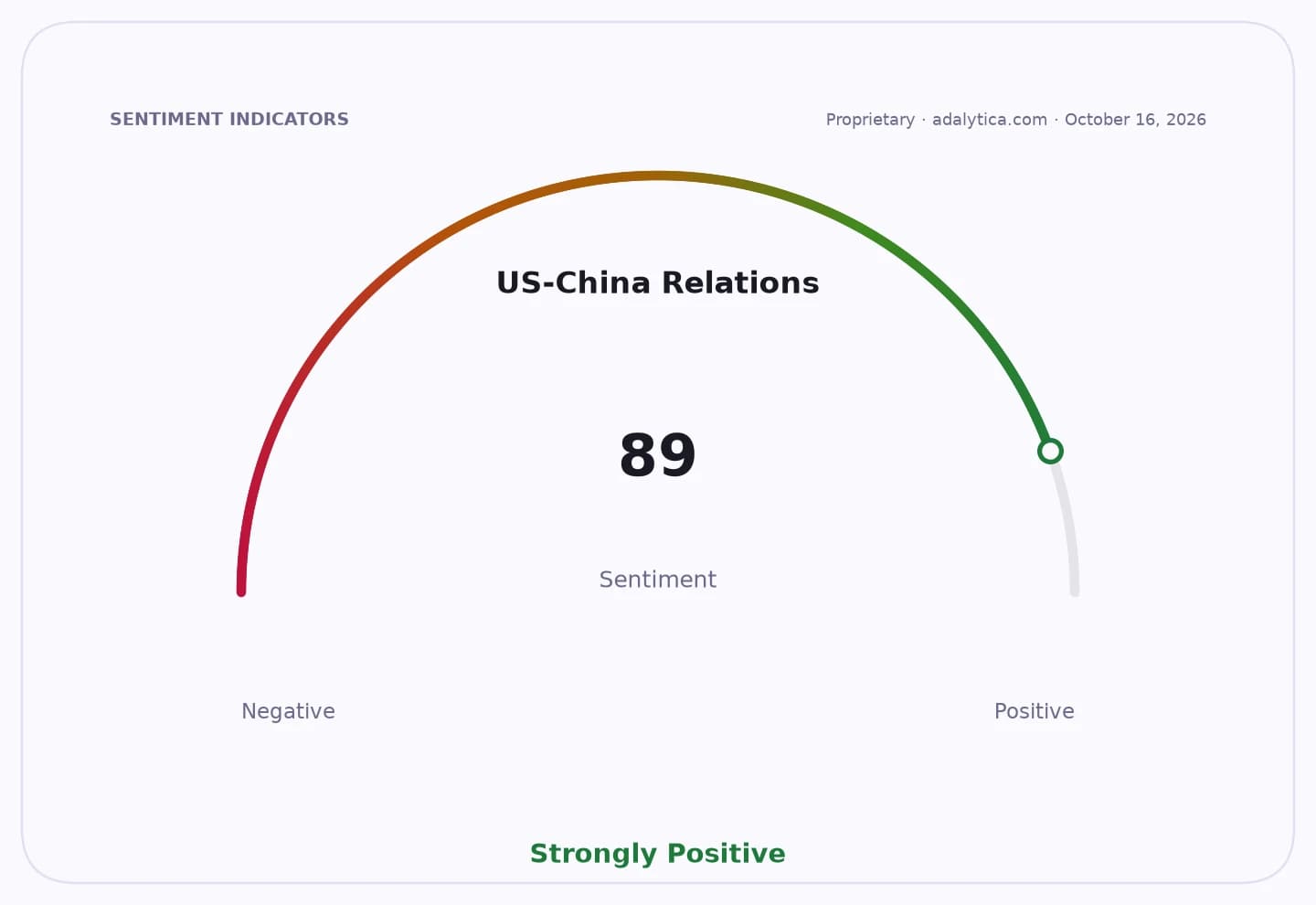
Sentiment IndicatorsⓘProprietary · adalytica.com · August 24, 2026
This is a snapshot — live sentiment, awareness and momentum for 130+ markets update continuously in the dashboard.Open AlphaPulse
For investors, the key issue is that the conflict is no longer just a defense story or a commodity shock. It is a persistent source of operational risk for companies exposed to Eastern Europe and Central Asia, with potential knock-on effects for freight, industrial supply, energy flows and cross-border trade financing.
The strikes come as Russia and Ukraine continue to exchange attacks on military and industrial targets. Russian strikes on Ukrainian sites, including a key port and a space center tied to satellite communications, add to the pressure on infrastructure already strained by the war.
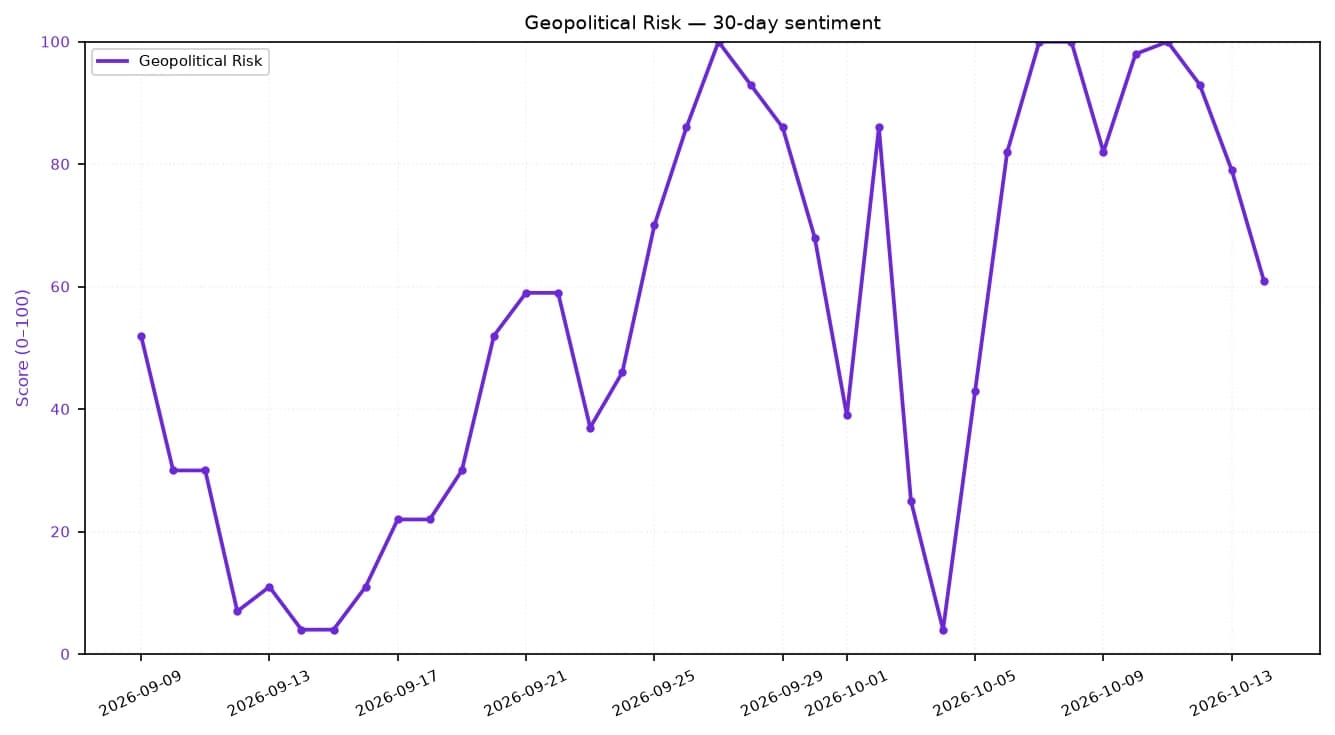
Geopolitical Risk — 30-day sentimentadalytica.com
Explore this data interactively — full history, time series and cross-market comparisons.Open AlphaPulse
That keeps geopolitical risk elevated even as market attention often shifts elsewhere. Adalytica’s Global Stability Sentiment gauge shows extreme greed at 89, while awareness remains in fear territory at 29, suggesting investors are still underpricing how quickly regional instability can feed into trade and asset volatility.
Defense contractors such as Kratos Defense & Security Solutions, Lockheed Martin and Northrop Grumman are not direct proxies for the strikes, but the sustained conflict supports demand for air defense, drones, surveillance and missile systems. At the same time, broader risk appetite can wobble if the war widens disruption to shipping, border commerce and industrial output.
KTOS shares closed at $57.17 on Aug. 21, below the 50-day moving average of 52.9 but well under the longer-term volatility seen earlier this year, while LMT ended at $563.57 and NOC at $551.03, both still near their recent trading ranges as defense spending remains firm.
The near-term catalyst is whether attacks on logistics targets keep spreading into commercial corridors and whether Moscow or Kyiv escalates strikes on infrastructure tied to trade and communications. If that happens, the costs of doing business in the region rise further, and investors are likely to price in a longer, more disruptive war.
| Entity | Gains | Losses |
|---|---|---|
| Ukraine | ▲Military pressure on Russia | ▼Risk of wider retaliation |
| Russia | ▲Tactical strike leverage | ▼Logistics disruption and costs |
| Kyrgyz traders/importers | ▲— | ▼Trade delays and higher costs |
| Defense contractors | ▲Higher demand outlook | ▼War-related volatility |