Sunflower has emerged as the least painful crop for farmers in Ukraine’s Poltava region, a sign that the economics of grain production are deteriorating even as oilseed growers find a workable margin through pricing discipline, forward sales and crop resilience.
Ukraine Sunflower Outperforms Wheat and Corn
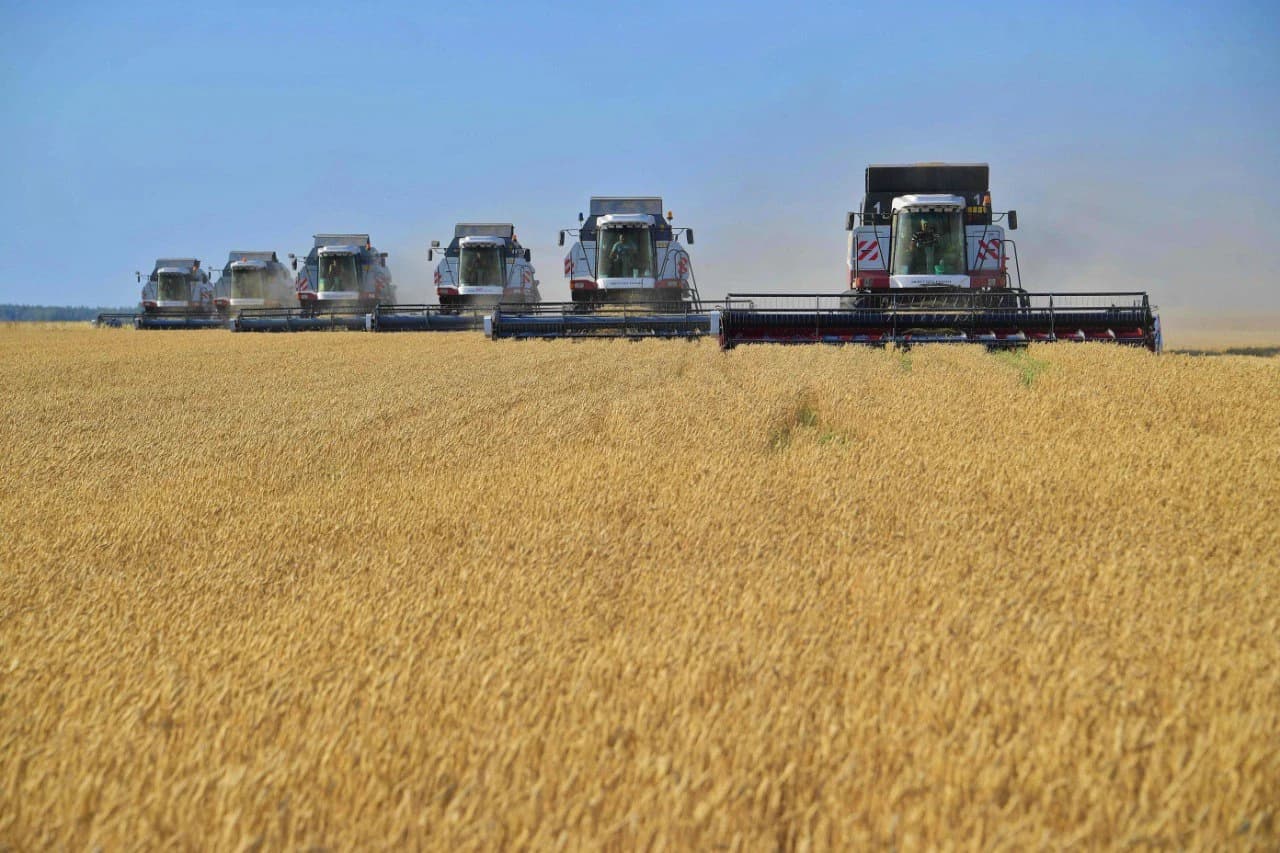
For Grigory Shamrytskyy, owner of the farm “Moya Zemlya 2015,” the message is blunt: sunflower beat wheat and corn on profitability this season, even after a broad drop in agricultural prices. That matters because the farm-level math in one of Ukraine’s key farming regions is increasingly being shaped less by yield alone and more by which crops can survive heat, moisture stress and weak spot prices.
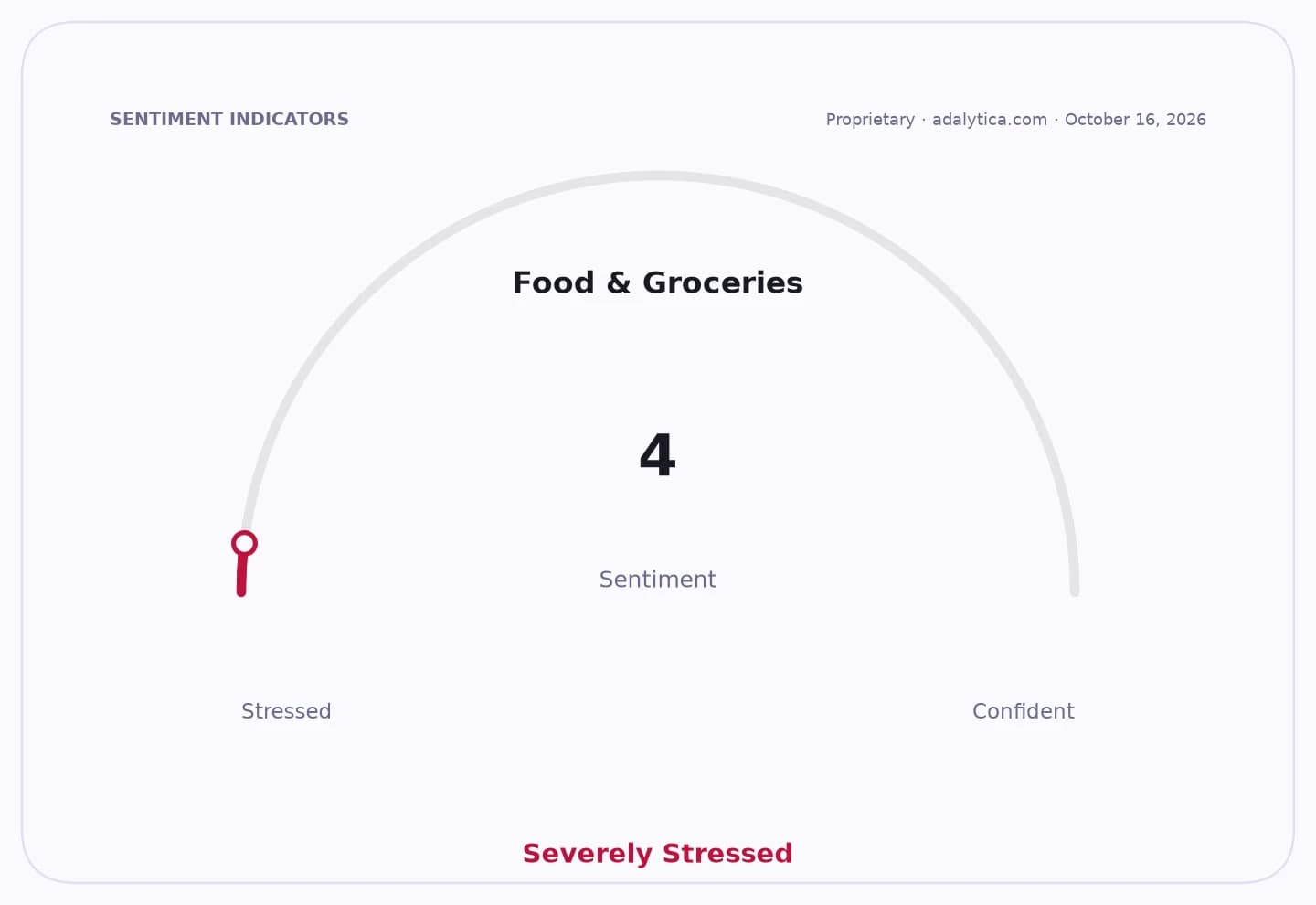
Sentiment Indicators
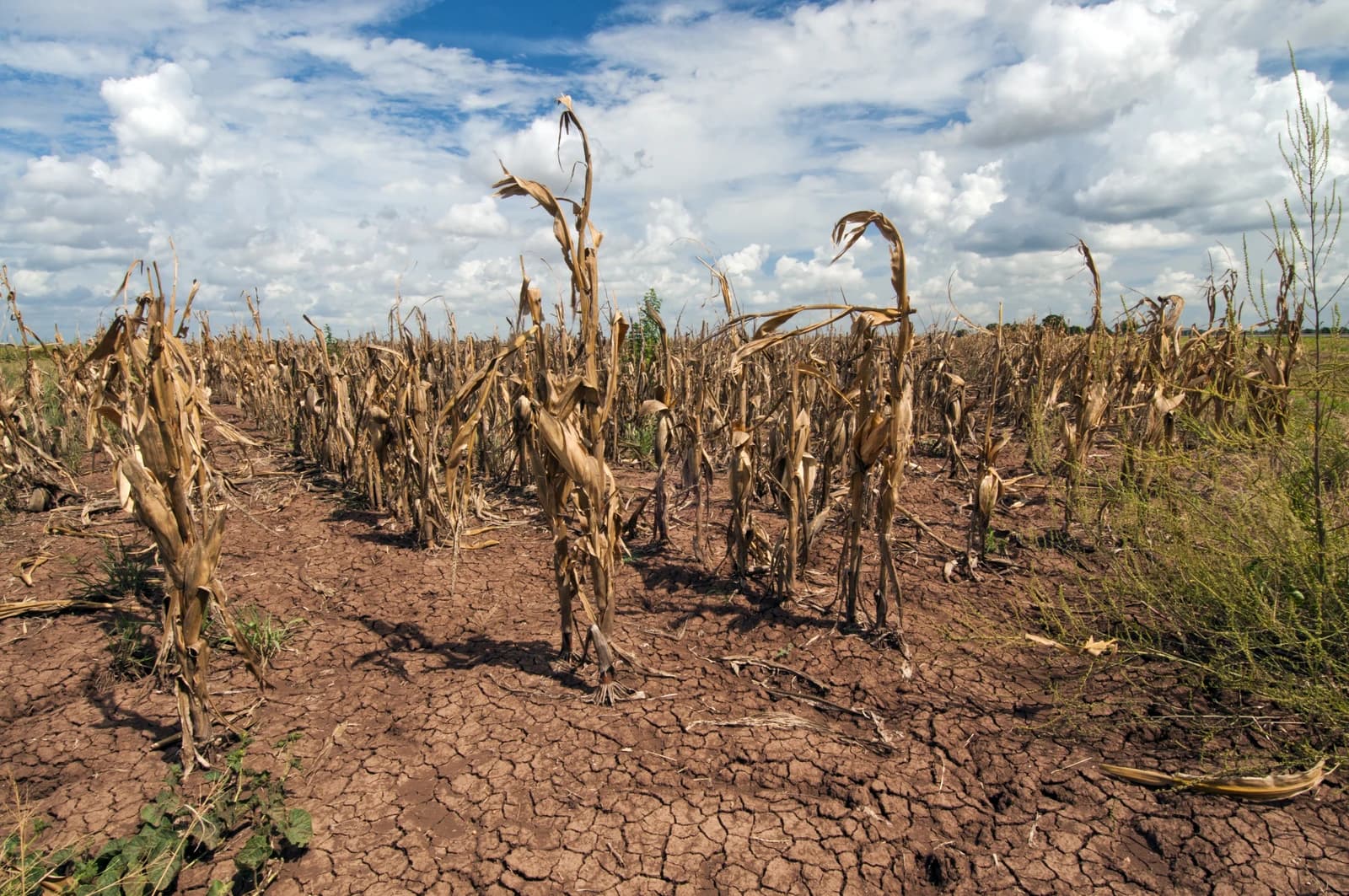
Sunflower’s advantage is both agronomic and financial. Shamrytskyy said corn is highly sensitive to drought and heat, while sunflower is easier to manage and can still deliver up to 3 tons per hectare. In a year when wheat and corn have been squeezed by softer prices, sunflower is proving to be the crop farmers are most willing to expand where rotation rules allow.
The hedge was even better for growers who locked in output early. Shamrytskyy said part of the harvest was sold under forward contracts at $615 a ton for conventional sunflower and $650 a ton for high-oleic seed, levels that now look far more attractive than open-market sales. His regret is familiar across commodity agriculture: he should have hedged more of the crop.
That dynamic matters well beyond one farm. Ukraine remains a major supplier of oilseeds and grains, and any shift in planting incentives can reshape export flows, crushing volumes and domestic input demand. Sunflower oilseed economics are outperforming cereals at a time when corn prices are weak and global crop markets are under pressure from large supplies and export uncertainty.
The broader signal is that Ukrainian farmers are adapting to a more volatile climate and a more unforgiving price environment by reallocating acreage toward the crop with the best risk-adjusted return. That is bullish for oilseed processors and traders with sunflower exposure, and less friendly for grain growers who are now battling lower prices, weather sensitivity and thinner margins at the same time.
For investors, the takeaway is straightforward: follow the crop that farmers are choosing, not the one they prefer in theory. When sunflower is the “least loss-making” option, it is a warning that grain economics are still under strain — and an opportunity for anyone positioned in oilseeds, processing and ag-linked logistics.
| Entity | Gains | Losses |
|---|---|---|
| Sunflower growers | ▲Better margins | ▼Lower downside |
| Wheat farmers | ▲— | ▼Weak pricing |
| Corn growers | ▲— | ▼Weather-sensitive economics |
| Oilseed processors/traders | ▲More supply visibility | ▼Grain-focused counterparts |