Ukraine’s effort to fund its war through military bonds is turning into a direct test of whether investors will back the country’s eventual victory while collecting income along the way.
Ukraine war bonds frame risk-reward trade
The appeal is straightforward: the bonds let savers and institutions finance a government at war, with returns tied less to conventional credit analysis than to the trajectory of the conflict, foreign aid and the state’s ability to keep servicing debt. In practice, that makes them a geopolitical instrument as much as a fixed-income product. For investors, the opportunity is not just yield — it is exposure to a possible postwar re-rating if Ukraine’s fiscal position improves and reconstruction capital returns.
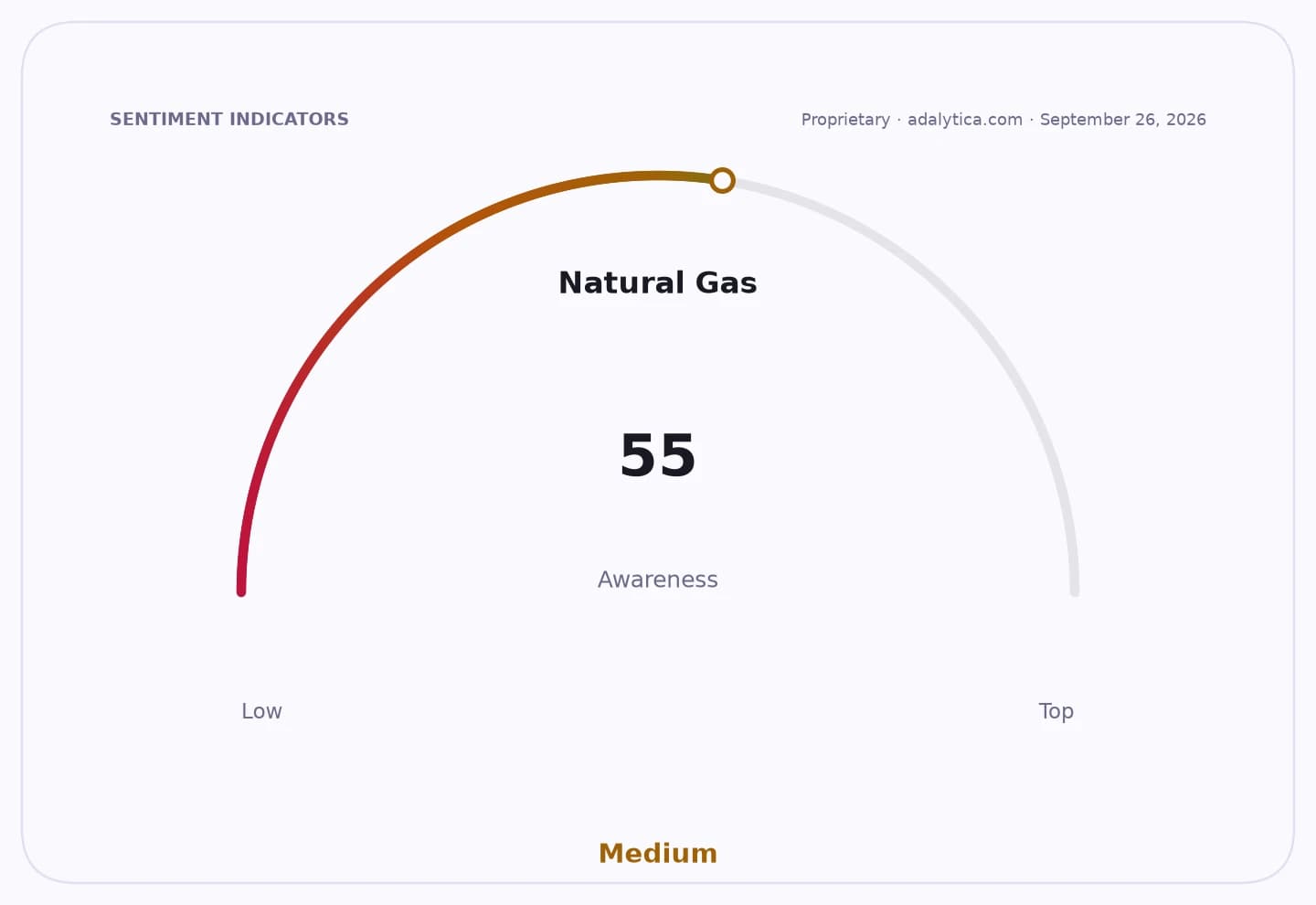
Sentiment IndicatorsⓘProprietary · adalytica.com · July 18, 2026
This is a snapshot — live sentiment, awareness and momentum for 130+ markets update continuously in the dashboard.Open AlphaPulse
The backdrop in global rates helps explain why the product is drawing attention. U.S. 10-year Treasury yields are around 4.56%, while two-year yields are near 4.12%, still high enough to keep investors focused on income. High-yield credit spreads have narrowed to about 2.72 percentage points, suggesting markets are more comfortable with risk than they were during periods of acute stress. Yet the appetite for long-duration government paper is mixed: Treasury-bond sentiment tracked by Adalytica.com is in “fear” territory, even as the stock market reads neutral. That matters because it leaves room for investors to look beyond plain-vanilla sovereign debt and into higher-conviction thematic instruments such as Ukraine-linked bonds.
The question for buyers is whether the yield compensates for the political and military risks. The bull case is that Ukraine’s external financing remains supported by allies, the country avoids a funding crisis, and any sustained improvement on the battlefield or in diplomacy would compress risk premia quickly. Under that scenario, military bonds could behave like a distressed sovereign claim on a recovery path: high current income today, capital appreciation tomorrow. The bear case is harsher. If the war grinds on, if aid becomes more erratic or if fiscal strains intensify, the bonds remain hostage to events investors cannot model with conventional duration or credit tools.
That asymmetry is what makes the story matter economically. Ukraine’s borrowing is no longer just a public-finance issue; it is a mechanism for transferring war risk to capital markets. For the government, military bonds can broaden domestic participation, tap patriotic demand and reduce immediate dependence on grants. For investors, they create a niche asset class that sits between sovereign debt, special situations and geopolitical speculation.
The broader bond market underscores the contrast. Short and intermediate Treasuries remain far more liquid and benchmark-driven, with the iShares 20+ Year Treasury Bond ETF trading below its 200-day moving average and its RSI reading weak, suggesting caution in long-duration U.S. bonds. By comparison, Ukraine military bonds are not a duration trade but a conviction trade on state resilience. They are likely to attract investors who want yield with a political thesis, not those seeking a neutral macro hedge.
What to watch next is not just coupon levels but distribution, demand and any official backing attached to future issuance. If Ukraine can keep refinancing credible and the war’s financing burden remains manageable, the bonds may become a rare example of a wartime instrument that can pay income and offer upside. If not, they will remain a stark reminder that in conflict finance, yield is often another word for risk.
| Entity | Gains | Losses |
|---|---|---|
| Ukraine government | ▲war financing | ▼higher debt burden |
| Bond buyers | ▲high income | ▼geopolitical risk |
| Allied donors/lenders | ▲policy leverage | ▼funding exposure |
| Conventional sovereign debt | ▲benchmark safety | ▼attention share |