Coal companies tied to the family of ousted Ukrainian president Viktor Yanukovych have changed owners, a politically charged transfer that underscores how Ukraine is recasting control of strategic assets while the war economy and coal market stay under strain.
Ukraine changes ownership of Yanukovych-linked coal assets
The ownership shift matters well beyond a corporate filing or legal footnote. Coal remains a core input for Ukraine’s power system and heavy industry, and control of mines and processing assets has become entwined with sanctions enforcement, wartime asset reallocation and the wider effort to cut the influence of pre-war oligarchic networks. Any transfer away from Yanukovych-associated interests will be watched as a signal of how aggressively Kyiv is moving to reassign contested industrial property and stabilize critical supply chains.
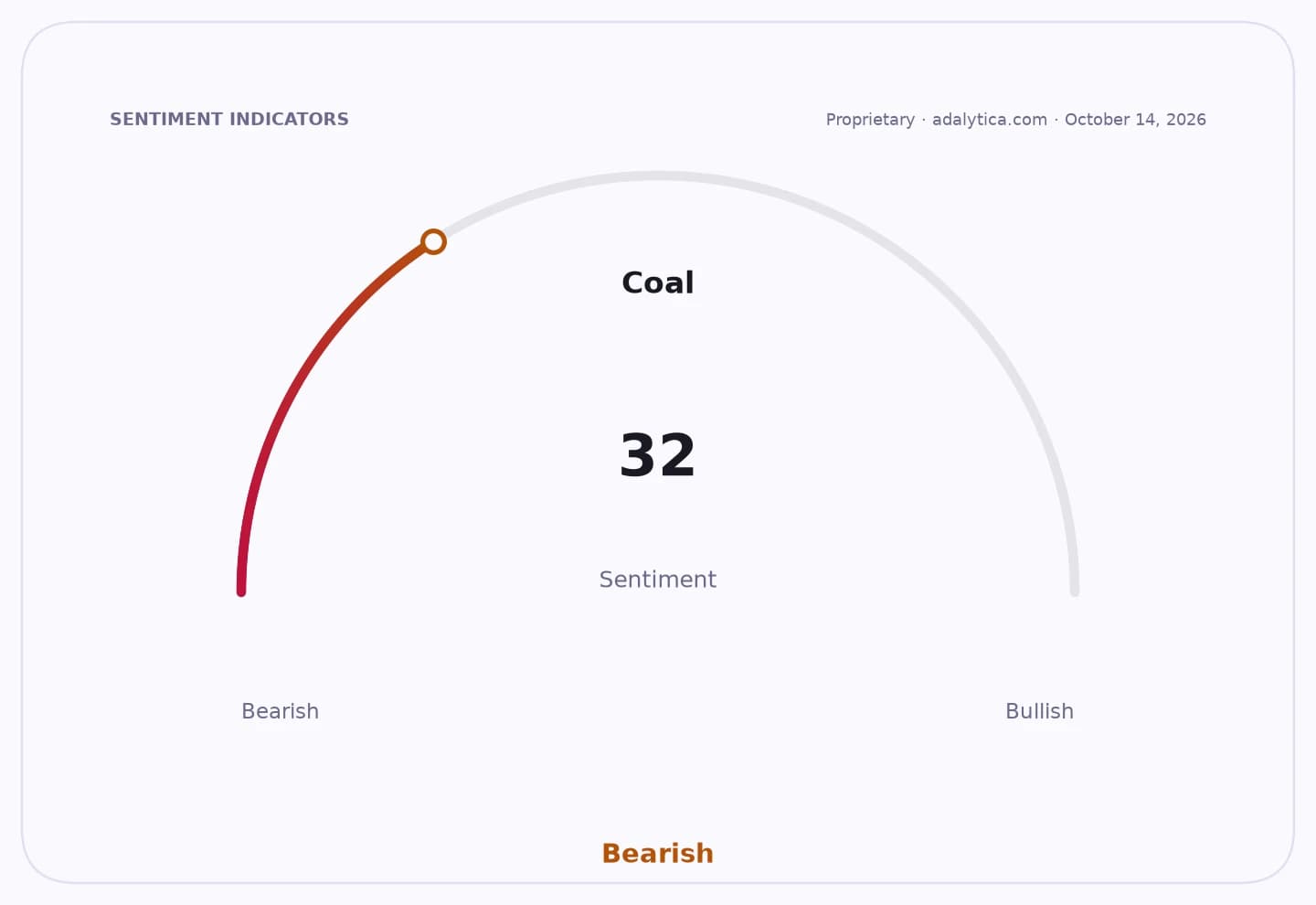
Sentiment IndicatorsⓘProprietary · adalytica.com · October 15, 2026
This is a snapshot — live sentiment, awareness and momentum for 130+ markets update continuously in the dashboard.Open AlphaPulse
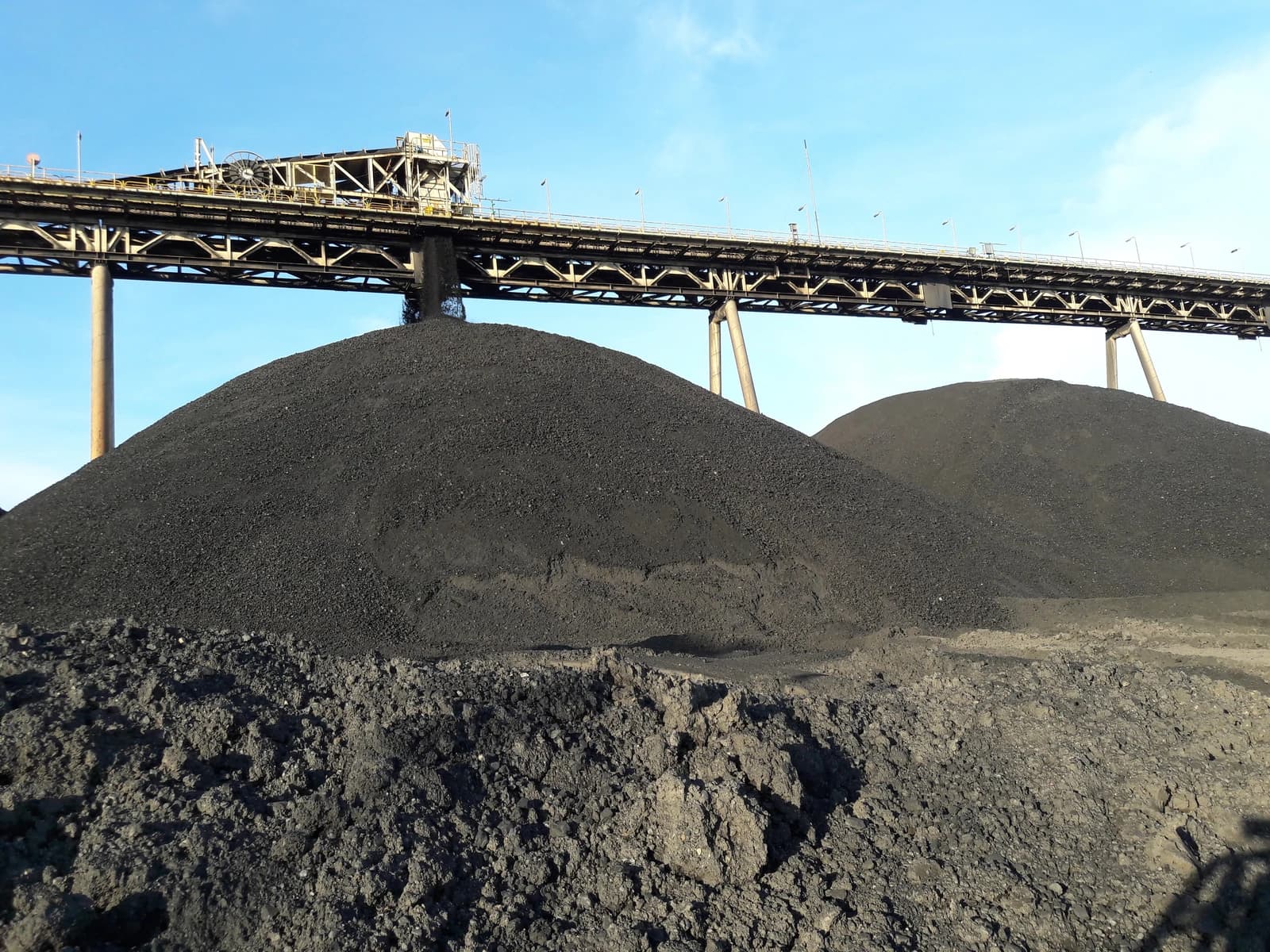
The backdrop is a coal sector still shaped by tight supply, volatile pricing and geopolitical risk. Coal markets have been firming globally, with Asian coal prices at a two-year high and China’s thermal coal at a three-year peak, reflecting constrained supply conditions. In Ukraine, those pressures are compounded by logistics disruptions and the need to maintain fuel stocks for power generation. Industry data cited in the briefing show plant inventories still above 18 million tons, but likely to thin by October, even as domestic supply improves.
That makes ownership as much an economic issue as a legal one. New owners of politically sensitive coal assets inherit not only production risks and environmental liabilities, but also exposure to a market where pricing power has improved and where state oversight is intensifying. For the government, shifting ownership away from Yanukovych-era interests may help limit legal and reputational overhangs, support investment and reduce the risk that strategic output remains tied to sanctioned or politically exposed networks.
Investors will read the move through two lenses. The bullish case is that cleaner ownership could eventually improve governance, unlock capital spending and make the sector more bankable for counterparties, insurers and lenders. The bearish case is that politically driven transfers can create title disputes, operational uncertainty and delays in mine investment at exactly the moment the system needs more reliable fuel supply.
The market is already pricing a world of tighter coal availability. In the broader coal complex, Adalytica’s Coal Fear & Greed Index shows neutral sentiment but extreme fear in awareness, suggesting the sector remains highly sensitive to abrupt policy, supply and geopolitics. For Ukraine, the immediate question is whether the change in ownership brings more transparent stewardship of strategic coal assets or just another layer of legal and political complexity.
What happens next will depend on whether the new owners can keep output flowing, settle ownership questions and navigate regulatory scrutiny without disrupting fuel supply. If they can, the transfer could mark another step in Ukraine’s effort to de-Russify and depoliticize critical industry. If not, it risks becoming another contested asset in a sector where ownership has become inseparable from national security.
| Entity | Gains | Losses |
|---|---|---|
| Ukrainian state | ▲More control over strategic assets | ▼Legal disputes if transfers are challenged |
| New owners | ▲Access to coal assets | ▼Political and operational risk |
| Yanukovych-linked interests | ▲— | ▼Loss of ownership and influence |
| Power producers / industry | ▲Potentially cleaner supply chain | ▼Uncertainty if output is disrupted |