Rising U.S. medical spending is colliding with what critics call irresponsible personal behavior and a policy debate over who should pay for preventable costs, keeping pressure on insurers, hospitals and consumers as health inflation stays elevated.
UnitedHealth, Cigna Fall as Medical Costs Rise
Consumer Spending
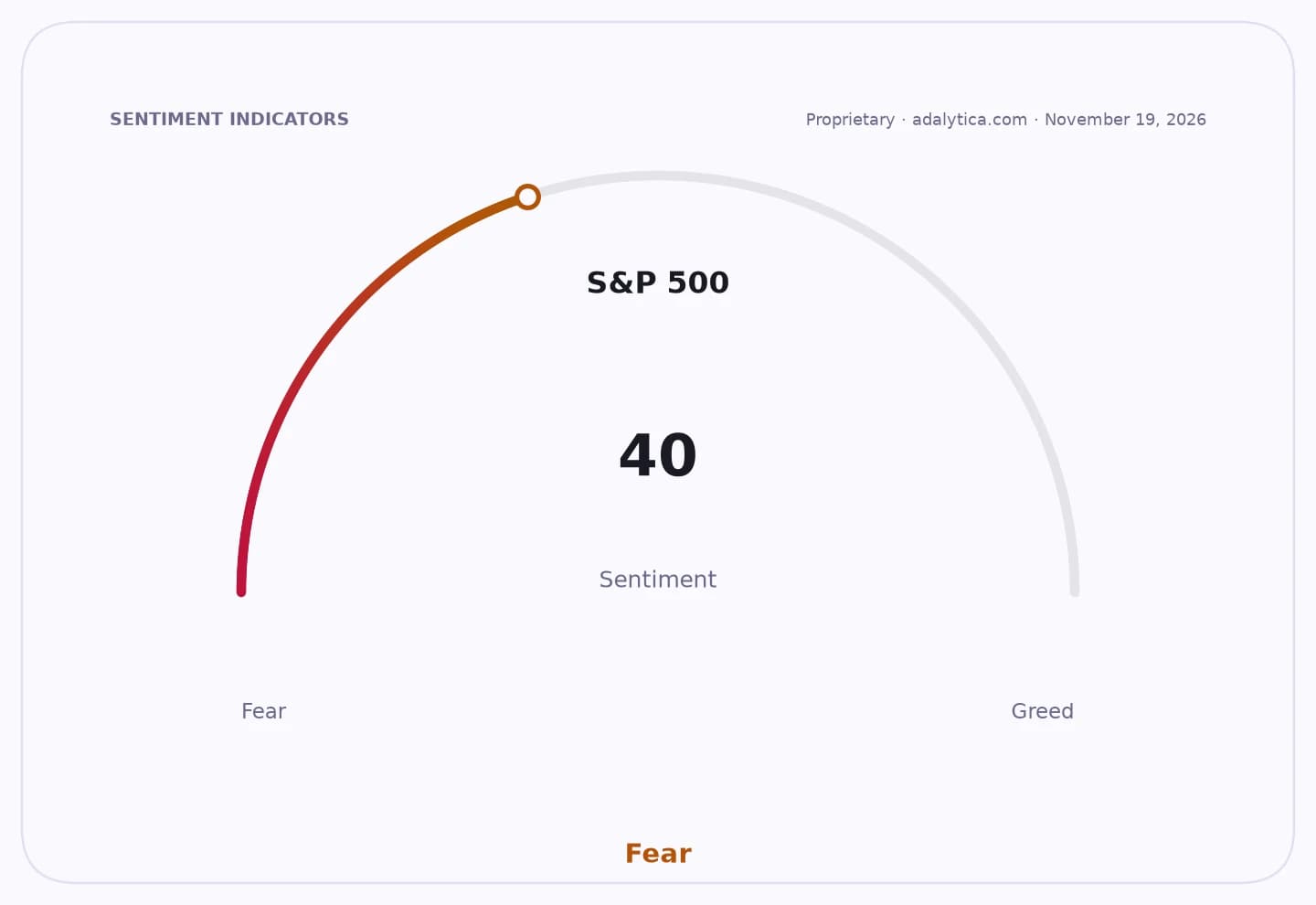
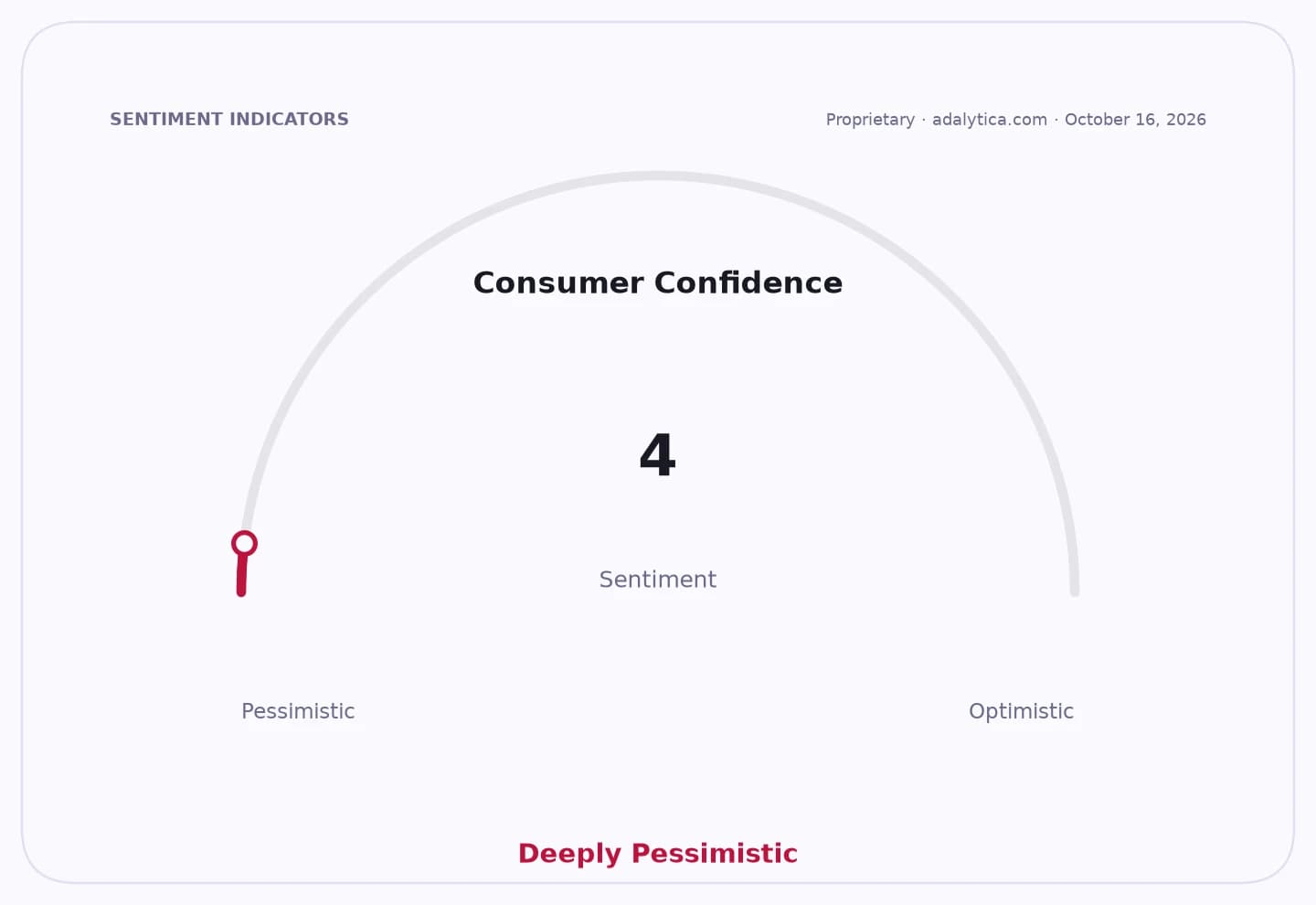
That tension sits at the center of a broader affordability problem. Consumer prices are forecast to rise to 338.65 in November from 337.48 in October, while the unemployment rate is seen holding near 4.1%, suggesting households are still employed but facing stubborn cost pressure. In that environment, Adalytica’s consumer spending sentiment has plunged to 7, labeled “Extreme Fear,” and consumer confidence recession sentiment has fallen to 4, also “Extreme Fear,” underscoring how quickly health bills and other necessities can squeeze discretionary spending.
Sentiment Indicators
The debate is increasingly about moral hazard as much as economics. The seed argument — that alcohol, tobacco, sugar, fat and avoidable injuries should trigger higher cost sharing — reflects a growing push to cap public and private insurance exposure to preventable claims, from drunk driving and drug use to missed safety precautions. Opponents argue bluntly that higher tickets and copays punish people already struggling with rising premiums, but insurers and employers see a system that rewards risky behavior and shifts the bill to everyone else.
Investors are already pricing in the strain on the sector. UnitedHealth Group fell to $349.90 on Nov. 18 from $412.02 two days earlier, with RSI at 24.4, a level that points to deeply oversold conditions after the stock broke below its 50-day and 200-day moving averages. Cigna slipped to $285.38 from $300.16 over the same span, while HCA Healthcare eased to $476.31 from $501.19 after a run-up that had pushed it well above both moving averages. The move highlights how quickly concerns about medical cost trends, reimbursement and utilization can hit the managed-care and provider complex.
At the same time, technology is being deployed to blunt some of the expense growth. OpenAI has expanded healthcare capabilities with more than 20 new plugins and improved clinical search, part of a wider effort to use AI to reduce unnecessary interventions, improve triage and support clinicians. That matters because even modest efficiency gains can ease pressure on insurers’ medical loss ratios, hospital operating expenses and ultimately premiums.
For investors, the key question is whether AI-driven productivity can offset the political and behavioral drivers of higher healthcare spending. If it cannot, the next round of premium increases, reimbursement fights and policy proposals around user charges could keep the sector volatile, especially as health systems report mixed margins and consumers remain under strain.
| Entity | Gains | Losses |
|---|---|---|
| Insurers | ▲Lower claims from deterrence | ▼Higher scrutiny on premiums |
| Hospitals | ▲AI efficiency gains | ▼Higher bad debt and utilization costs |
| Consumers with risky behavior | ▲None | ▼Higher copays and penalties |
| Employers and taxpayers | ▲Slower cost shifting | ▼Larger healthcare bills |