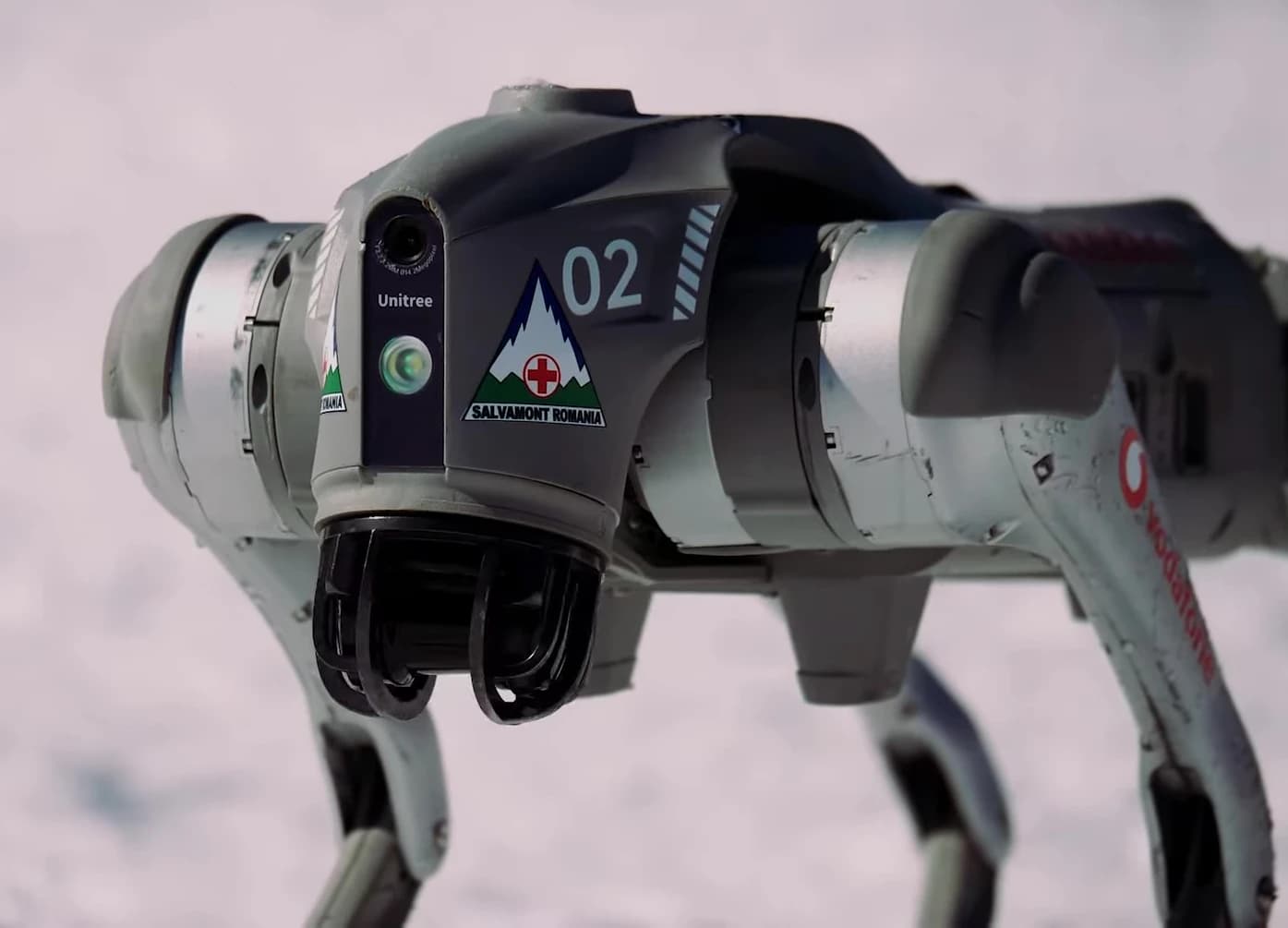
Humanoid robot maker Unitree has become the latest Chinese robotics name to move toward public markets as investors pile into a sector Beijing wants to industrialize and Tesla is trying to define.
Unitree heads toward IPO as Chinese humanoid robotics heats up
The significance goes beyond one listing. China’s humanoid-robot manufacturers are racing to secure capital while the market is still willing to fund a story that blends artificial intelligence, automation and national industrial policy. That matters economically because humanoid robotics remains a cash-intensive industry: companies need funding for chips, sensors, motion control, training data, software and manufacturing before they can scale into profitable deployment. It matters to investors because the surge in listings is both a sign of opportunity and a warning that valuation discipline can vanish quickly when a theme turns hot.
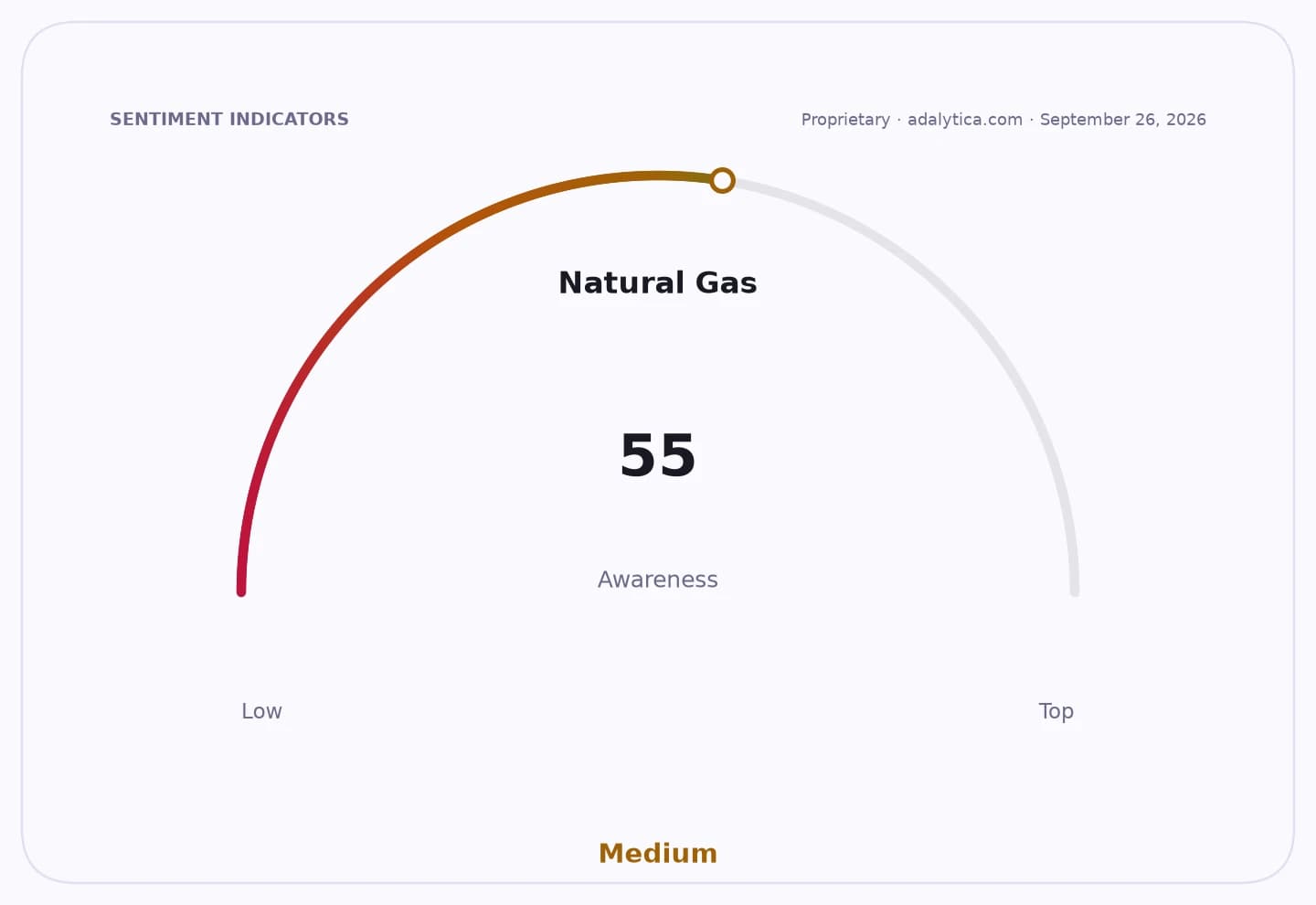
Sentiment IndicatorsⓘProprietary · adalytica.com · August 10, 2026
This is a snapshot — live sentiment, awareness and momentum for 130+ markets update continuously in the dashboard.Open AlphaPulse

Unitree sits at the center of that trade because it represents the kind of vertically integrated robotics company Chinese markets are trying to create: hardware-heavy, AI-enabled and positioned to serve factories, logistics and eventually consumer-facing applications. A wave of listings would give the sector more visibility, more benchmarks and potentially more liquidity, but it would also force investors to distinguish between companies with real manufacturing capability and those selling the robotics equivalent of an option on future hype.
The timing is notable. Shanghai companies have been showcasing embedded AI robots in real-world settings, including at the World Artificial Intelligence Conference, underscoring how quickly robotics is moving from lab demos to industrial deployment. That deployment race is being supported by state policy and by private capital chasing the same thesis: China wants to reduce dependence on foreign automation technology and build domestic supply chains in advanced manufacturing.
That push comes as the geopolitical backdrop is getting less friendly. The U.S. Federal Communications Commission has restricted imports of Chinese robots on security grounds, part of a broader effort to curb Chinese technology penetration and support domestic manufacturing. For Chinese robotics firms, that adds urgency to list at home and scale within a protected market. For global investors, it raises the risk that the sector fragments along national lines, limiting cross-border sales while encouraging parallel ecosystems in China and the U.S.
Tesla’s involvement in the broader narrative is why the market cares. The company has made robotics and autonomy central to its long-term equity story, and its shares have been trading with the volatility of a theme stock as much as a carmaker. Tesla’s stock recently fell to $321.55 on Aug. 5 from $419.77 a month earlier before rebounding to $328.58 on Aug. 7, with RSI readings dropping into oversold territory and then recovering slightly. That move shows how sensitive investors are to anything that changes the competitive or strategic map around humanoid robotics and AI hardware.
The bull case for Unitree and its peers is straightforward: if humanoid robots move from prototype to factory floor, early leaders could become the equivalent of China’s next generation of industrial platform companies. The bear case is that public-market enthusiasm can get ahead of economics, especially in a sector where revenue visibility is still limited and competition may intensify as more companies list and chase the same customers.
For investors, the key question is whether these IPOs mark the beginning of durable commercialization or simply a crowded funding window. If the listings are backed by real orders, repeatable production and improving unit economics, they could become the funding base for one of China’s most strategic new industries. If not, the rush to market may end up exposing how far humanoid robotics still has to travel before it can justify the valuation premiums now being assigned to it.
| Entity | Gains | Losses |
|---|---|---|
| Unitree and Chinese robot makers | ▲IPO funding, visibility | ▼Higher scrutiny |
| Beijing and local exchanges | ▲Industrial-policy wins | ▼Capital misallocation risk |
| Tesla | ▲Robotics sector validation | ▼More competition for investor attention |
| U.S. robot import restrictions | ▲Domestic manufacturers | ▼Chinese exporters |