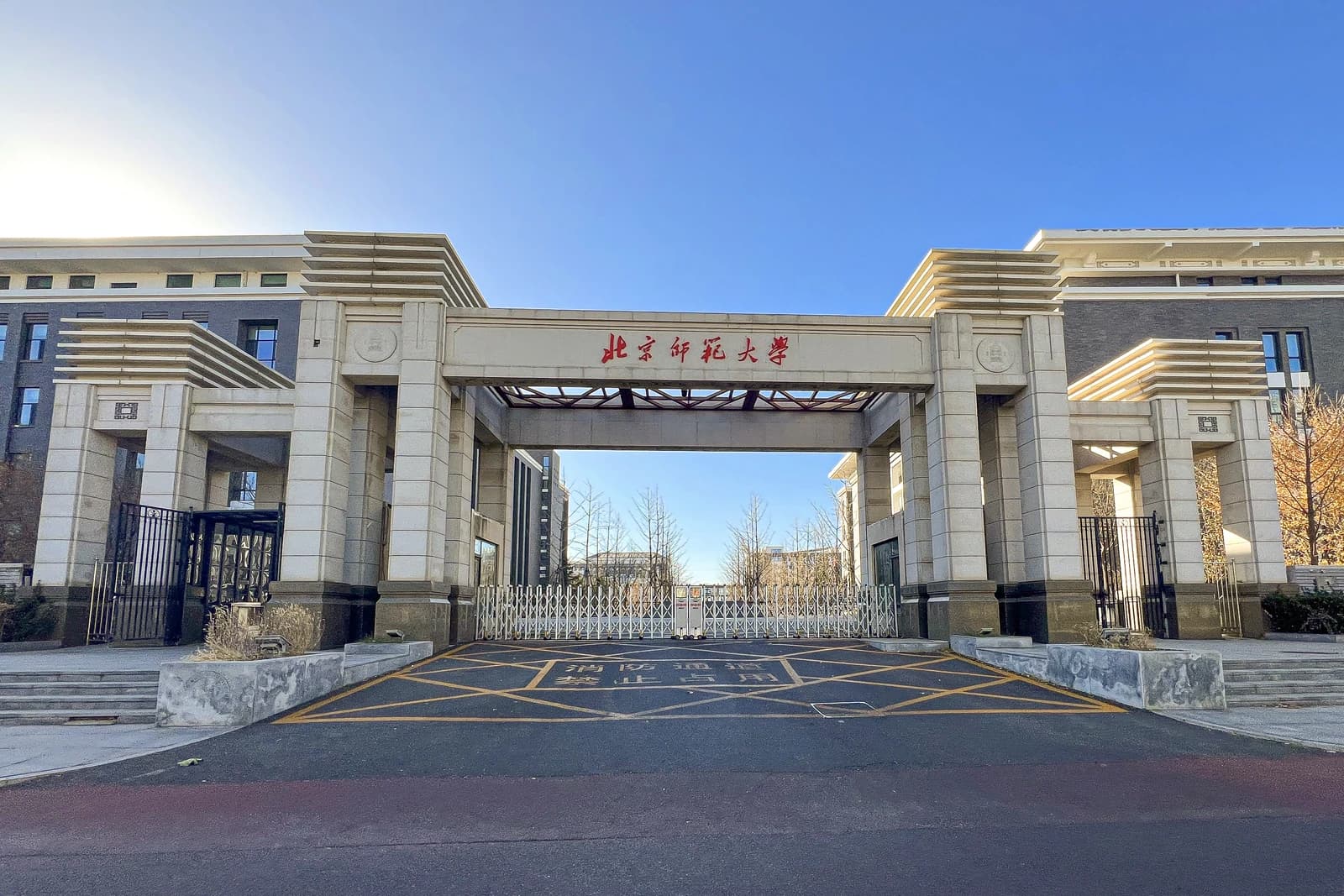
A Republican congressman is pressing the University of New Haven to shut down its joint program in China, escalating Washington’s scrutiny of American universities that partner with schools tied to Beijing’s military and industrial system.
University of New Haven China Program Faces Scrutiny
The move matters because it goes beyond campus politics. It highlights a growing national-security backlash against cross-border research ties that can move talent, know-how and federally supported innovation into China’s technology pipeline. For investors, that raises the odds of tighter oversight on universities, more friction in U.S.-China academic exchange and a tougher operating environment for companies and institutions exposed to dual-use research, cyber training and advanced engineering.
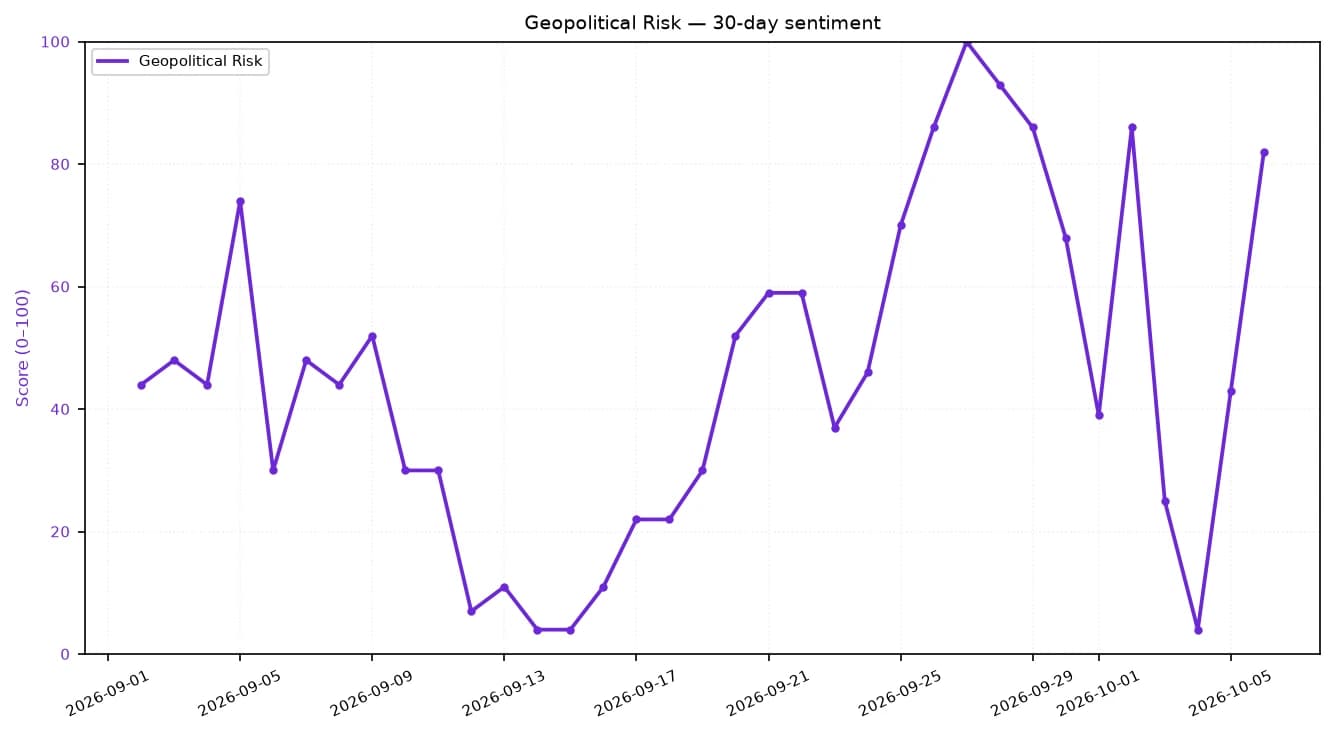
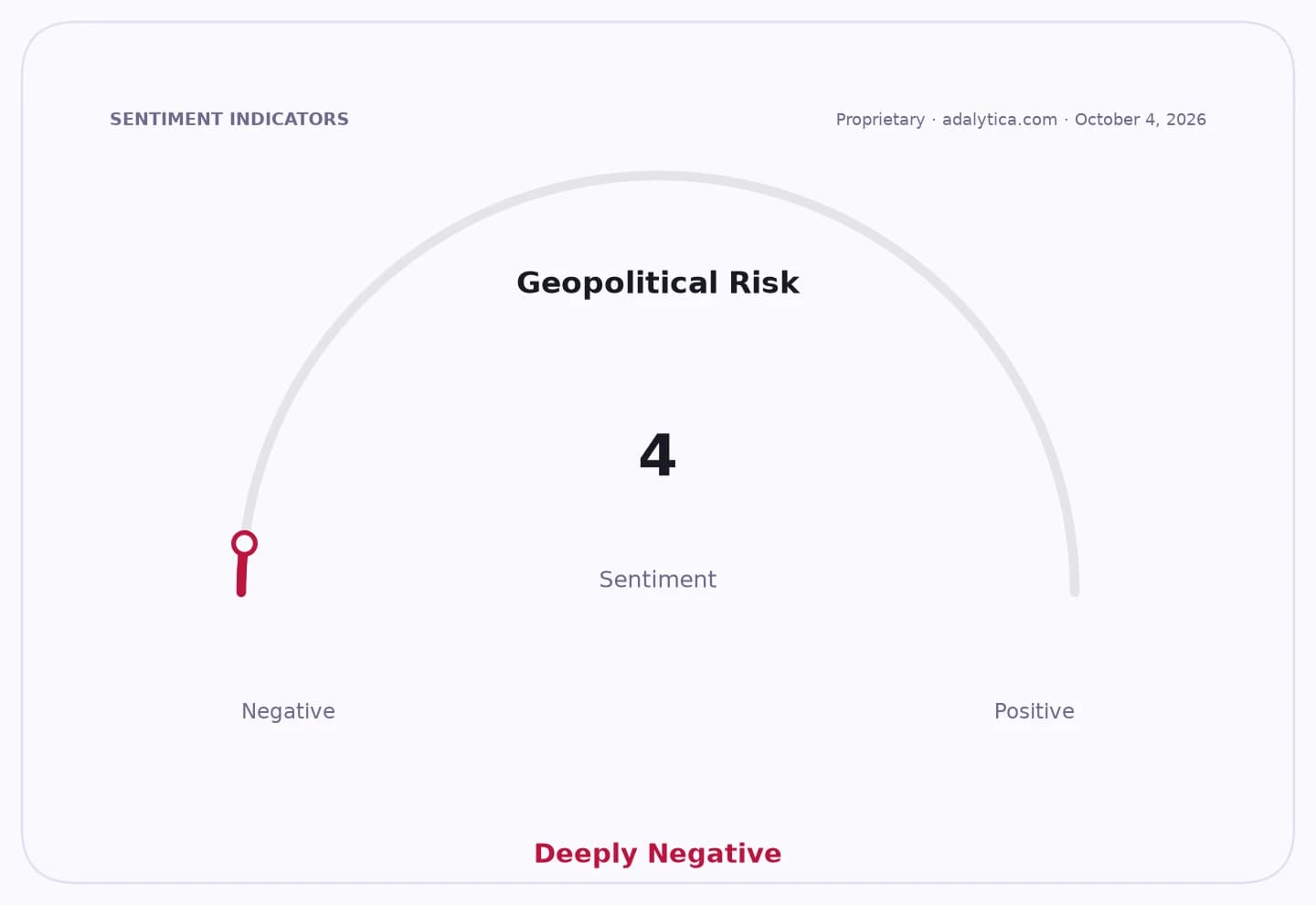
Sentiment IndicatorsⓘProprietary · adalytica.com · October 4, 2026
This is a snapshot — live sentiment, awareness and momentum for 130+ markets update continuously in the dashboard.Open AlphaPulse
Rep. John Moolenaar, who chairs the House Select Committee on China, said in an eight-page letter that the University of New Haven should withdraw from its cooperative campus with Xi’an University of Posts and Telecommunications, arguing the partnership could put American “human and intellectual capital” at risk. The committee was formed in 2023 to examine economic and security competition with China, and Moolenaar framed the UNH arrangement as part of a wider pattern of university joint institutes that Beijing can use to advance strategic goals.
At the center of the concern is the subject matter itself. The UNH-linked campus in Xi’an offers programs in communications engineering, data science, big data technology and intelligence science and technology, with a third of the curriculum drawn from UNH and taught by its faculty. Moolenaar said the Chinese partner has documented links to China’s military-civil fusion strategy and to research areas that can have clear defense applications, including communications jamming, unmanned aerial vehicle targeting, secure communications, missile tracking algorithms, GNSS spoofing and malware traffic classification.
That is what gives the dispute economic weight. China’s push to fuse academic research with industrial policy and military modernization is one of the defining features of the competition between the world’s two largest economies. If U.S. lawmakers conclude that university partnerships are channels for strategic technology transfer, more programs could face political pressure, compliance costs or forced unwinds. That would hit the flow of joint research, faculty exchanges and student pipelines that have long linked American campuses with China’s innovation ecosystem.
The letter also pointed to the Chinese university’s relationship with ZTE, a state-linked telecom equipment maker that has previously been penalized by U.S. authorities. For Washington, that is exactly the kind of web of academic, commercial and military ties that keeps China policy on edge. For universities, it means the line between educational cooperation and national-security exposure is getting harder to defend.
University of New Haven said it is reviewing the letter. The school’s program has already drawn the attention of the committee, which said several U.S. universities withdrew from similar joint institutes after an earlier report on China-based partnerships. Whether UNH follows suit will likely depend on the political cost of staying and the reputational cost of leaving.
For investors, the broader takeaway is not about one campus in Connecticut. It is about the continued tightening of U.S.-China decoupling in sensitive fields such as AI, cybersecurity, communications and advanced manufacturing. Those pressures can reshape where research is done, how talent is trained and which companies and institutions are allowed to participate in the most strategically important technologies. In a world where knowledge itself has become a competitive asset, that is worth watching closely.
| Entity | Gains | Losses |
|---|---|---|
| U.S. security hawks | ▲More leverage over China ties | ▼None directly |
| University of New Haven | ▲Scrutiny of risk exposure | ▼Program continuity, reputation |
| Chinese partner institutions | ▲Access to U.S. talent and curriculum | ▼Potential loss of partnerships |
| Investors in cyber/AI education | ▲Clearer policy backdrop | ▼Cross-border research flexibility |