A Singapore university has been named the world's best for artificial intelligence for a second straight year, underscoring how the center of gravity in AI research is shifting deeper into Asia even as U.S. schools trail further down the table.
NTU Singapore tops AI university rankings again
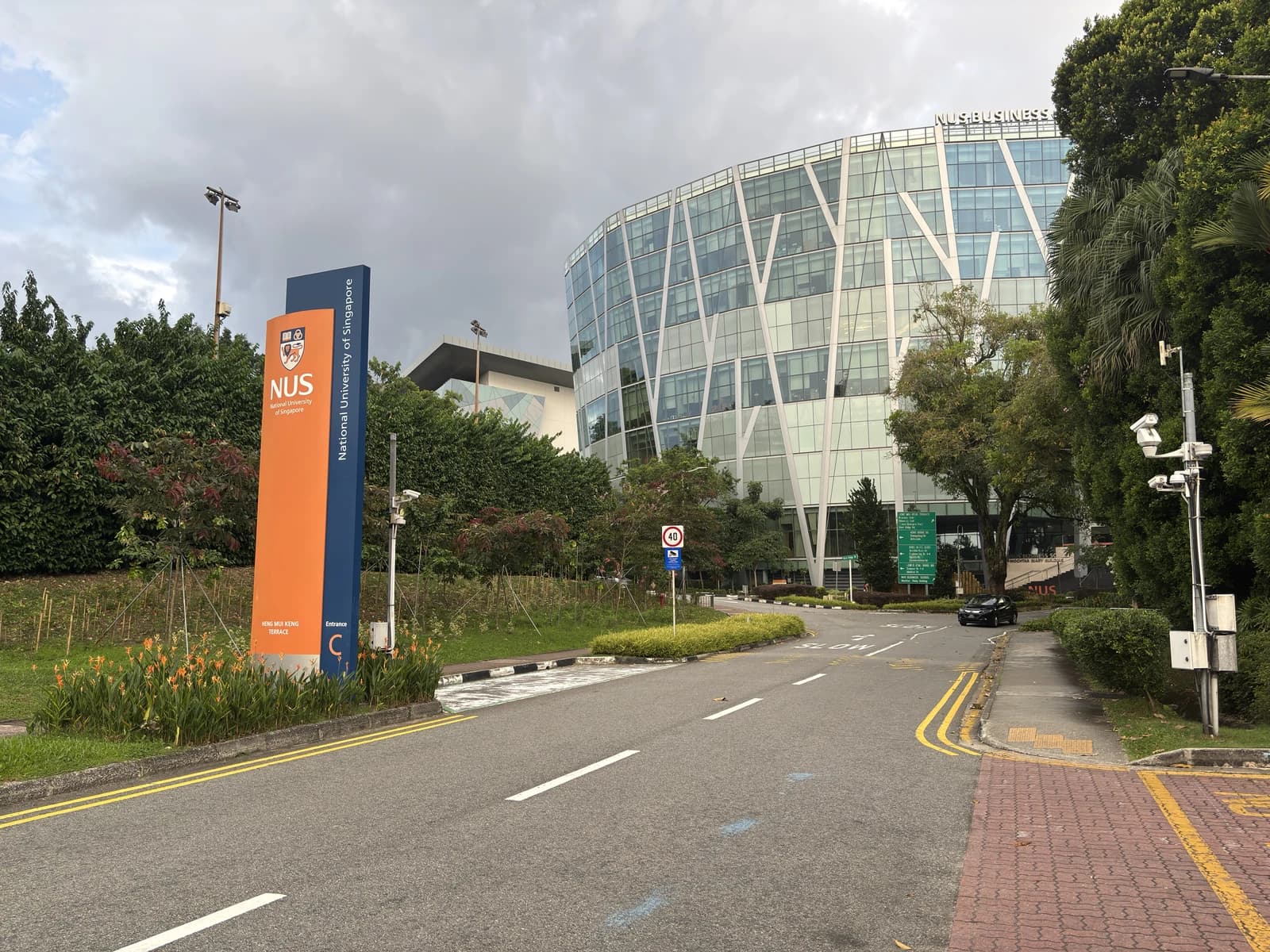
Nanyang Technological University scored 287.3 points in ShanghaiRanking’s 2026 global subject ranking, ahead of China’s Tsinghua University on 269.0 and the University of Toronto on 258.8. The result matters because academic AI strength feeds directly into the supply of talent, research output and commercial spillovers that underpin the next wave of model development, chips, cloud infrastructure and startup formation.
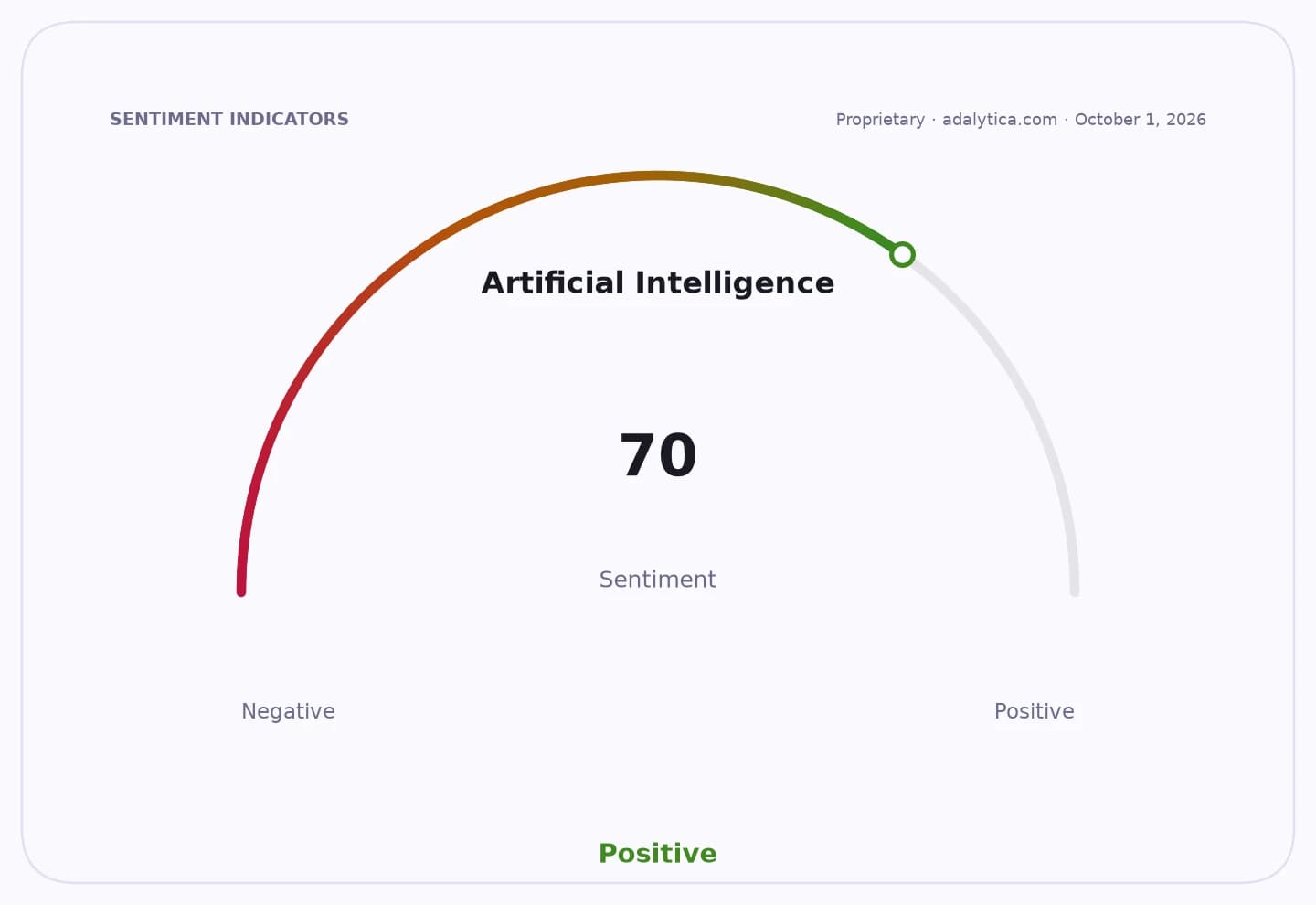
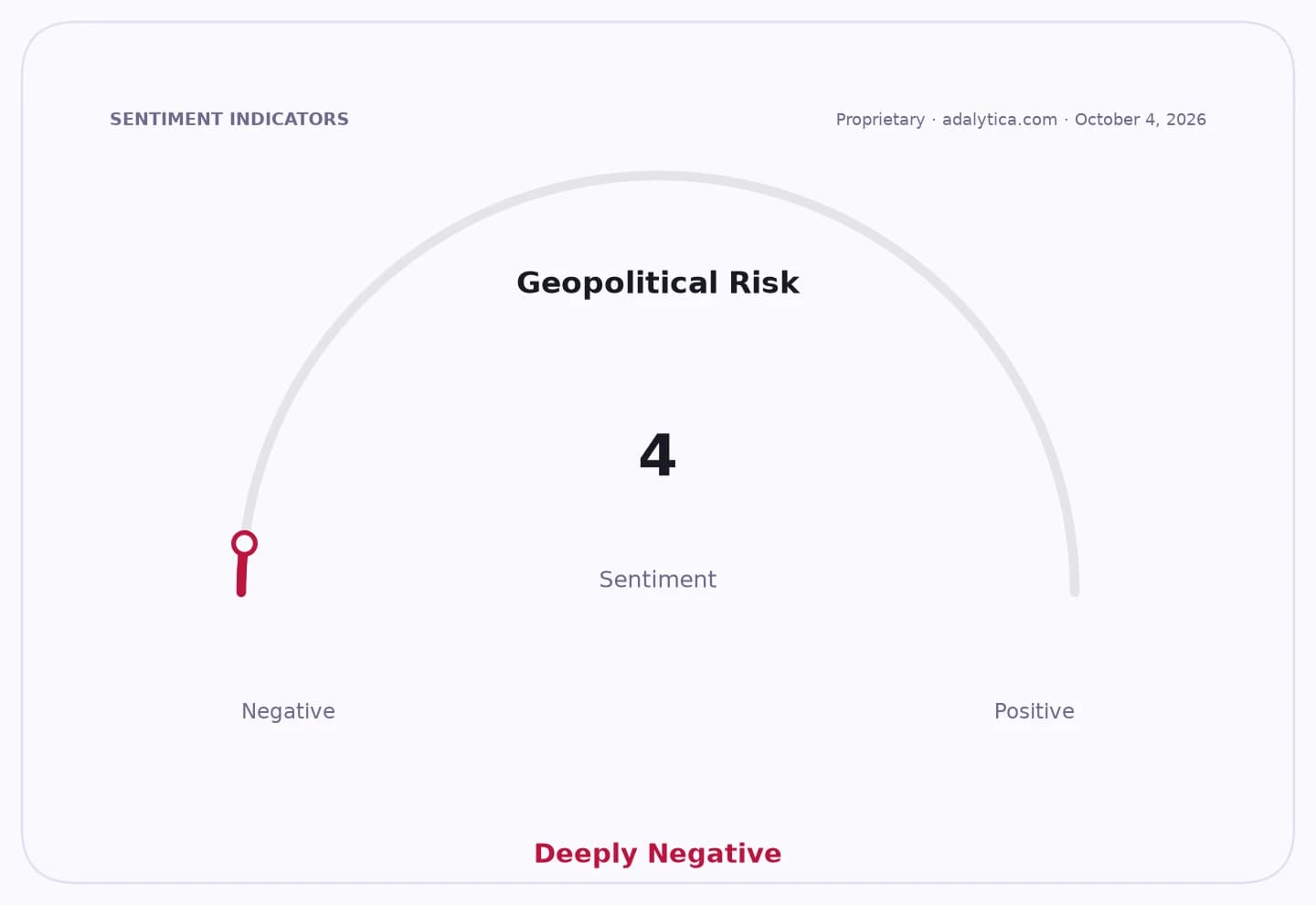
Sentiment IndicatorsⓘProprietary · adalytica.com · October 5, 2026
This is a snapshot — live sentiment, awareness and momentum for 130+ markets update continuously in the dashboard.Open AlphaPulse
The broader ranking suggests Asia’s universities are increasingly setting the pace in a field that is driving everything from enterprise software budgets to semiconductor demand. China placed four universities in the top five, while Toronto was the only institution outside Asia in that group. Harvard was the highest-ranked U.S. university at sixth, followed by Carnegie Mellon in 10th.
For investors, the message is that the AI talent pipeline remains concentrated in the regions most aggressively backing the technology, even as U.S. companies dominate market capitalization and frontier model branding. That concentration matters for long-term competitiveness in cloud services, advanced semiconductors, data-center buildout and enterprise adoption, where access to researchers and graduate talent can be as important as access to capital.
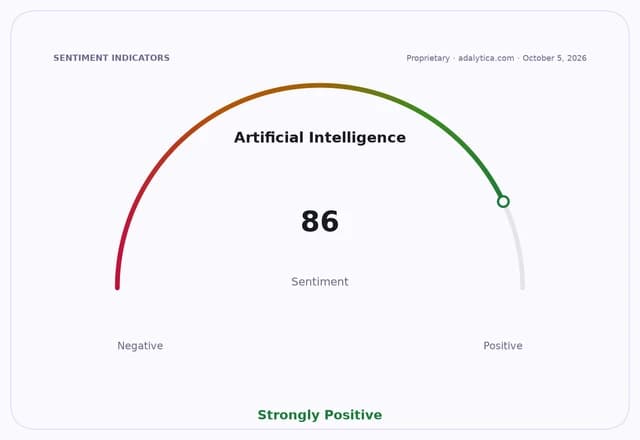
Singapore’s showing was particularly notable. The city-state had four universities in the AI ranking, with the National University of Singapore placing 19th and giving Singapore two schools in the global top 20. The ranking also reflects the effectiveness of Singapore’s broader strategy of using universities as anchors for AI research and industry partnerships, rather than treating higher education as a detached public good.
ShanghaiRanking’s 2026 Global Ranking of Academic Subjects covers about 2,000 universities from 96 countries and regions across 57 disciplines. In AI, it weighs highly cited researchers, faculty leadership, publication in leading journals and conferences, research output, citation impact and international collaboration — metrics that tend to favor institutions with deep research networks and strong links to industry.
That helps explain why the table has become a proxy for where the next generation of AI expertise is likely to emerge. Asia’s lead could deepen if Chinese and Singaporean universities continue to scale research ecosystems, while U.S. institutions may need to rely more on private-sector AI labs and corporate partnerships to maintain influence. For investors, the ranking is a reminder that AI leadership is no longer just about where the biggest tech companies are based, but where the most durable research pipelines are being built.
| Entity | Gains | Losses |
|---|---|---|
| NTU Singapore | ▲Global AI prestige | ▼Rival universities |
| Asia-Pacific universities | ▲Talent inflow | ▼U.S. academic share |
| Singapore policymakers | ▲Validation of AI strategy | ▼Perception of lagging hubs |
| U.S. universities | ▲— | ▼Relative ranking position |